ZIMURA executive director steps down
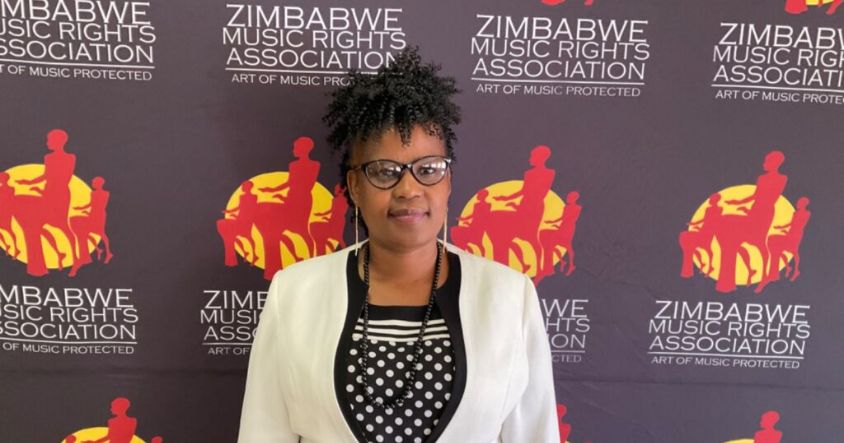
The long-serving executive director of the Zimbabwe Music Rights Association (ZIMURA), Polisile Ncube Chimhini, has stepped down with immediate effect, in a development that comes at a turbulent time for the country’s main music rights body.
In a statement issued by the ZIMURA board, the association confirmed that Mrs Ncube Chimhini had tendered her resignation after more than three decades of service, saying she was leaving to pursue other professional opportunities.
The board described her exit as the end of “an era” and paid tribute to what it called her “immense contribution” to the growth and visibility of ZIMURA, both locally and on the African continent.
Board pays tribute to three decades of service

According to the statement, Mrs Ncube Chimhini joined ZIMURA many years ago and rose through the ranks to become one of the association’s most influential figures.
Over the course of her tenure, she became a key voice in copyright administration, representing Zimbabwe at regional and international platforms and helping to shape policy discussions around composers’ and authors’ rights.
The board said her institutional memory and technical expertise had been central to ZIMURA’s operations, particularly in areas such as licensing, royalty distribution and engagement with broadcasters and digital platforms.
It also extended its appreciation to the outgoing executive director for her “dedicated service and commitment to the welfare of music creators” and wished her well in her future endeavours.
Transition plan and continuity assurances
ZIMURA said its day-to-day operations would continue under the oversight of the board and the existing management team while formal arrangements are made for a new leadership structure.
The association stressed that royalty collection and distribution would not be disrupted by the change at the top, and that systems were in place to ensure that members continued to receive what they are due.
The board indicated it would follow a “structured and professional” process in appointing a new executive director, promising to keep members informed as the transition unfolds.
Resignation follows weeks of public infighting

Although the official statement emphasises continuity and appreciation, the resignation comes in the wake of a bruising period for ZIMURA, which has found itself at the centre of public controversy in recent weeks.
The association has been locked in internal battles over governance, decision-making and the handling of members’ concerns, with disputes spilling beyond boardroom walls and into press conferences, statements and social media posts.
In January, ZIMURA announced that three board members had been removed from the council following what the organisation described as serious breaches of fiduciary duty. The trio had convened an unsanctioned press conference, accusing the leadership of poor governance and calling for sweeping reforms.
The board responded by insisting that due process had been followed in their removal and accused the former directors of misrepresenting the association’s position and sowing confusion among members.
The episode deepened divisions within the organisation and drew widespread attention from artists, commentators and the wider creative sector, many of whom have been following the unfolding crisis closely.
Governance questions and artist frustrations

The events of recent weeks have sharpened long-standing questions about how ZIMURA is run and how it engages with its membership.
Some artists have raised concerns over transparency, alleging that key decisions – including those involving property, investments or the association’s leadership – are often taken without sufficient consultation or clear communication.
Others point to frustrations around royalty payments, saying they want more detailed information about how income is collected, how tariffs are set and how distributions are calculated.
For many musicians, the resignation of the executive director is therefore seen not only as a change of personnel but as a potential turning point in how the association responds to demands for accountability and reform.
Call for rebuilding trust
Within the creative sector, there are growing calls for ZIMURA to use this period of transition to rebuild trust with its members.
Stakeholders have urged the association to:
improve its communication with composers and publishers, particularly around finances and major strategic decisions
strengthen internal checks and balances, so that disputes can be resolved internally before they spill into the public domain
ensure that future leadership appointments are handled in a way that inspires confidence among the membership
Some commentators say an open, consultative process – including clear updates to members and more regular general meetings – would go a long way towards restoring confidence after months of public wrangling.
A critical moment for Zimbabwe’s music rights
ZIMURA plays a central role in Zimbabwe’s music ecosystem, administering rights, licensing the use of music and distributing royalties to songwriters and publishers.
At a time when artists are trying to navigate a rapidly changing landscape shaped by streaming, digital platforms and new performance opportunities, an effective and trusted collecting society is seen as crucial to safeguarding their income.
The departure of Polisile Ncube Chimhini marks a significant moment for the organisation.
Supporters of reform argue that the next phase will be defined not only by who takes over as executive director, but by whether the association can convincingly demonstrate that it puts the interests of its members first.
For now, eyes across the music industry will remain fixed on ZIMURA’s next steps – and on whether this leadership change becomes the catalyst for bigger change in how one of Zimbabwe’s most important cultural institutions is governed.

Andrew Moyo is a veteran entertainment journalist with over a decade of experience. He has worked for some of the biggest publications in Zimbabwe including The Sunday Mail.