
ZIMURA removes three board directors
The Zimbabwe Music Rights Association (ZIMURA) has formally removed three members of its board, escalating a bitter internal dispute that has already spilt into the legal and public arena.
In a press statement issued on 22 January 2026, ZIMURA confirmed that Gift Amuli, Joseph Garakara and Dereck Mpofu had been removed from the ZIMURA Council following a board resolution passed a day earlier.
The association said the decision was taken in line with its Articles of Association and was necessary to protect the stability and governance of the organisation.
Unsanctioned press conference cited
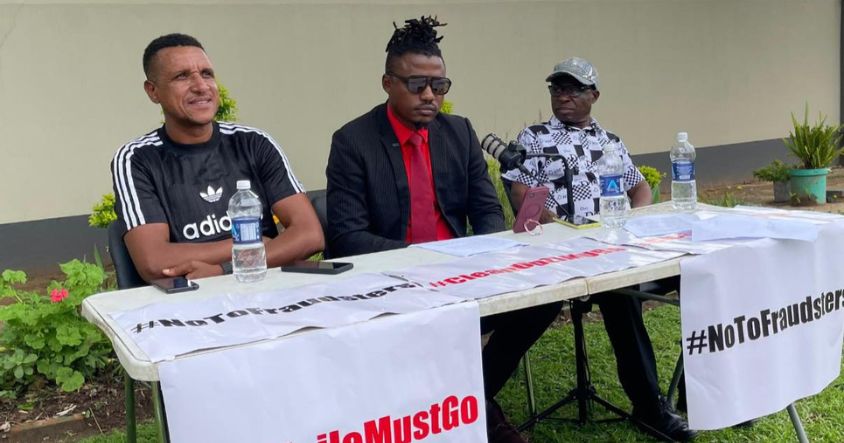
ZIMURA said the removals followed what it described as a “series of grave breaches of fiduciary duties”, centring on an unsanctioned press conference held on 19 January 2026 by the three directors.
According to the board, the press conference was convened without authorisation and in violation of established corporate communication protocols.
During the briefing, ZIMURA alleges, the trio made “unsubstantiated and defamatory statements” that were issued without evidence, due process or any formal legal determination, bringing the association and its governing council into disrepute.
The statement said the directors bypassed internal dispute resolution mechanisms in favour of what it called “public sensationalism”, demonstrating a disregard for governance structures they were obliged to uphold.
‘Existential threat’ to the organisation
ZIMURA said the continued presence of the three directors posed an “existential threat” to the organisation, accusing them of actions calculated to incite institutional paralysis.
“Their conduct constituted a direct risk to the collective interests and financial security of the entire ZIMURA membership,” the statement said.
The board said the decision to terminate their directorships, effective 21 January 2026, was taken unanimously in order to safeguard the uninterrupted collection and distribution of royalties to music creators.
Dispute follows property controversy

The latest development comes against the backdrop of an ongoing controversy surrounding the disposal of ZIMURA-owned property in Avondale, Harare.
Earlier this month, ZIMURA issued a public notice dismissing claims that the sale of two residential flats was unlawful, insisting the transaction was approved by the board in accordance with Article 41 of its governing documents.
The association said it was not required to convene an Annual General Meeting (AGM) or Extraordinary General Meeting (EGM) before the sale, and that the matter was formally reported to members at an AGM held in October 2025.
ZIMURA said the proceeds from the sale remain under its control and are being reinvested into the organisation, including plans to acquire a standalone commercial head office.
Legal tensions intensify

The internal fallout has coincided with rising legal tensions. Lawyers acting for Alexio Gwenzi, ZIMURA’s recently elected board chair, have issued a defamation demand against journalist and blogger Plot Mhako over social media posts linked to the property transaction.
ZIMURA has also confirmed that legal proceedings have been initiated against individuals accused of spreading defamatory content, and that the Zimbabwe Republic Police are investigating aspects of the matter.
Commitment to continuity
In its latest statement, ZIMURA said it remained committed to transparency, accountability and the protection of composers’ rights, warning that it would not allow individual agendas to compromise the institution.
The association said the decisive action was necessary to ensure continuity at a time when the organisation is under heightened public and legal scrutiny.
As the dispute unfolds, it marks one of the most serious governance crises in association’s recent history, with implications for artists, licensees and the wider creative sector closely watching how the situation develops.