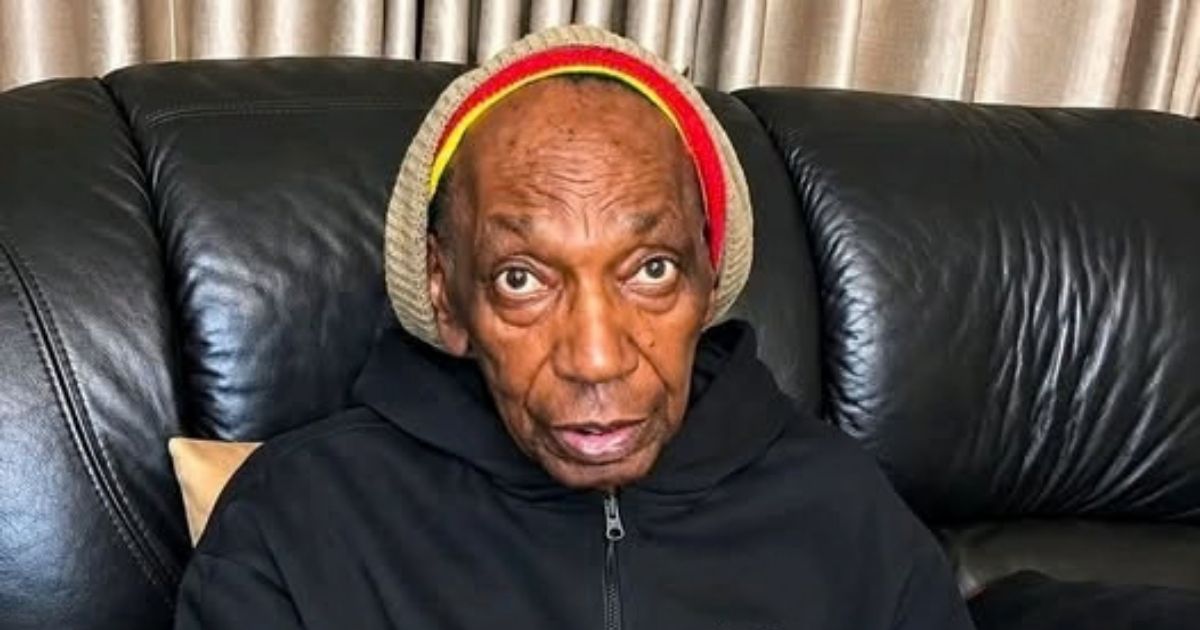
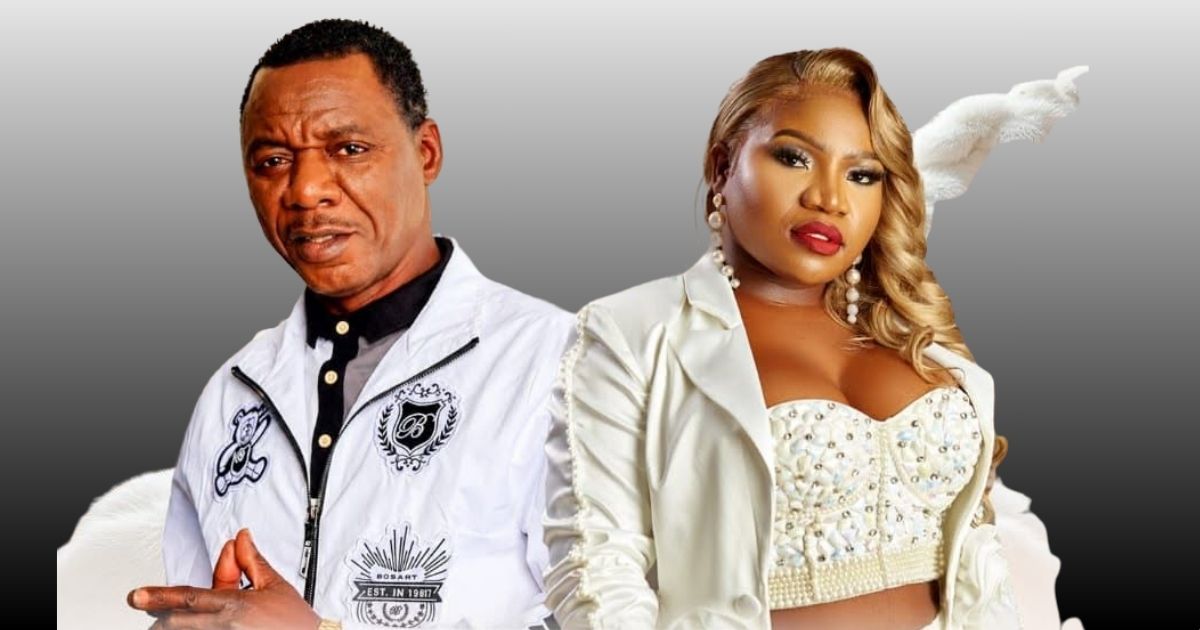
Cheso Power Festival controversy grows as music, politics and regional tensions collide
A festival created to celebrate one of Zimbabwe’s biggest music legends has found itself at the centre of a wider debate about culture, politics and relations between Zimbabwe and South Africa.
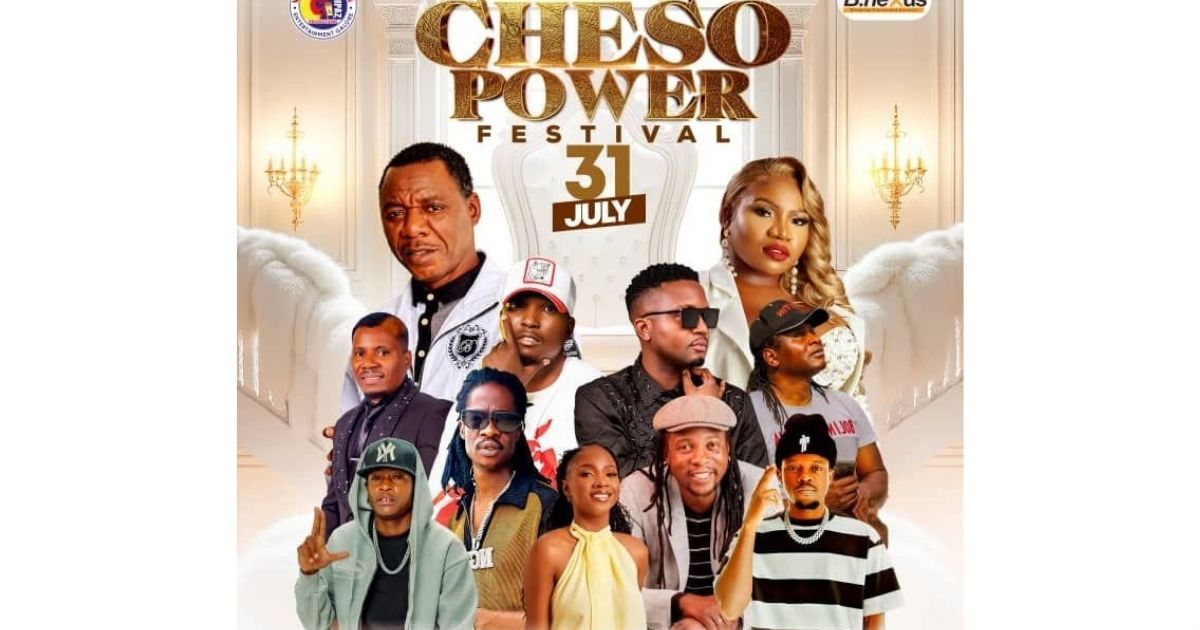
The inaugural Cheso Power Festival, scheduled to honour sungura icon Alick Macheso, has attracted attention after calls emerged on social media for South African artists to be excluded from Zimbabwean events amid anger over reports of xenophobic attacks targeting Zimbabweans living in South Africa.
The controversy has placed South African singer Makhadzi, who was announced as one of the major attractions at the festival, in the middle of a growing public discussion over whether musicians should be separated from political tensions between neighbouring countries.
The festival is scheduled to take place at Alexandra Sports Club in Harare on 31 July 2026, with organisers describing it as a celebration of Macheso’s contribution to Zimbabwean music and his decades-long career.
But instead of focusing only on music, much of the conversation surrounding the event has shifted towards the participation of foreign performers.
Why the Cheso Power Festival has become controversial
The debate began after some Zimbabweans took to social media calling for a boycott of South African performers appearing at local events.
The calls are linked to anger over xenophobic incidents in South Africa, where foreign nationals, including Zimbabweans, have previously faced attacks, discrimination and hostility from some sections of society.
For some activists and commentators, allowing South African entertainers to perform in Zimbabwe during such a period sends the wrong message.
They argue that cultural events should reflect solidarity with Zimbabweans affected by violence and discrimination.
Others, however, believe musicians should not be held responsible for political decisions or the actions of individuals in their countries.
They argue that artists often represent cultural exchange and that targeting performers could damage long-standing relationships between Zimbabwe and South Africa.
The debate has therefore become larger than one festival, raising questions about the role of entertainment during periods of regional tension.
Makhadzi responds to boycott calls
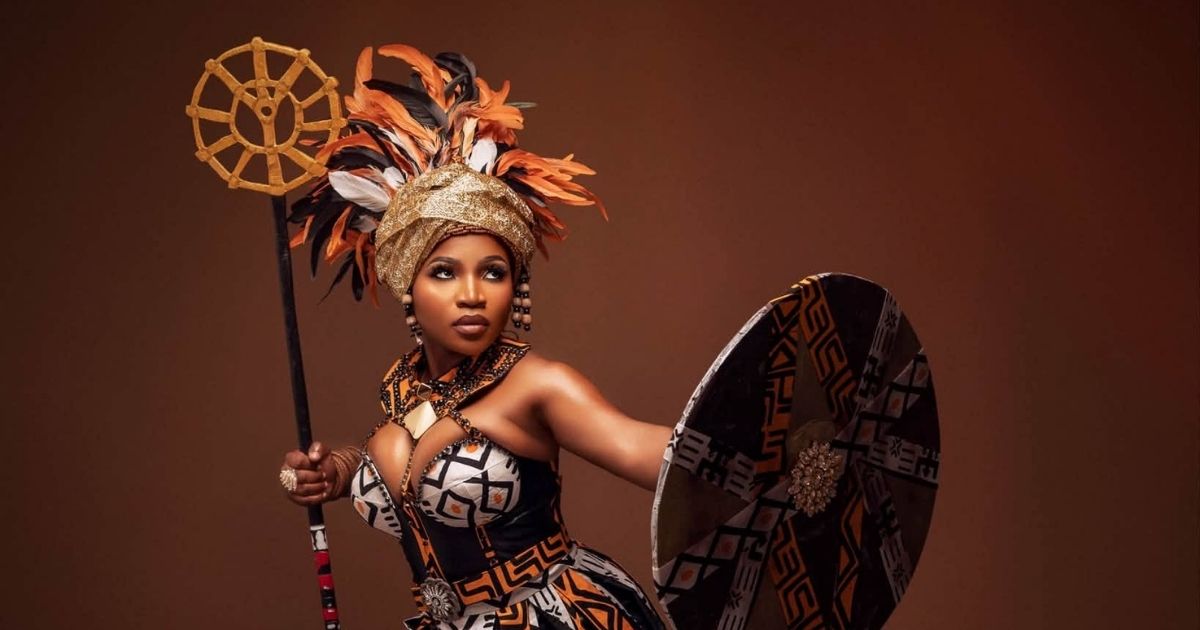
Makhadzi, one of South Africa’s most successful performers, responded to the growing criticism by promoting a message of African unity.
The award-winning singer shared a message emphasising the importance of togetherness across borders, highlighting the idea that music can bring people together rather than create divisions.
Her response received mixed reactions.
Some fans defended the singer, arguing that she has consistently promoted African unity and has collaborated with artists from different countries across the continent.
Supporters said blaming an individual musician for broader social problems was unfair.
One argument circulating online was that artists should not be judged based on the actions of governments or groups within their countries.
However, others felt that the timing of her appearance was sensitive and that South African artists should acknowledge the frustrations of Zimbabweans affected by xenophobia.
For critics, the issue was not necessarily about Makhadzi personally, but about sending a message during a period of anger and uncertainty.
Organisers maintain focus is on celebrating Alick Macheso
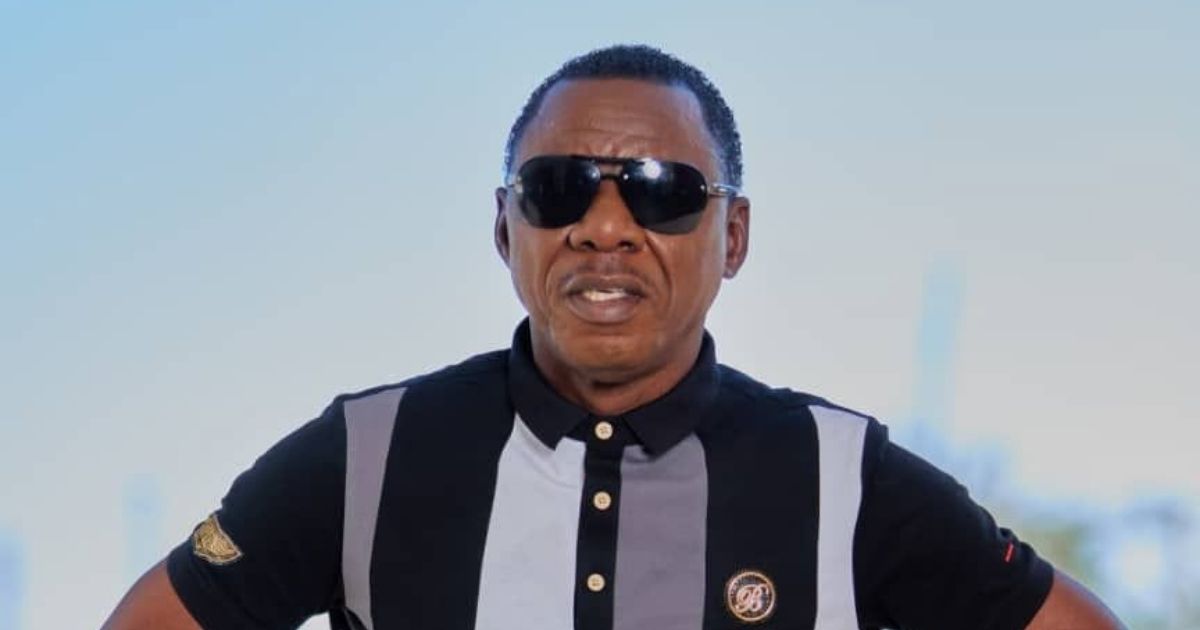
Festival promoter Partson “Chipaz” Chimbodza has attempted to shift attention back to the purpose of the event — celebrating Alick Macheso’s musical journey.
The promoter said preparations for the festival had been underway before the latest tensions emerged and suggested that developments between Zimbabwe and South Africa would influence decisions regarding international performers.
However, organisers have maintained that the main objective remains honouring Macheso, whose career has made him one of Zimbabwe’s most influential musicians.
Macheso’s team has welcomed the concept, describing it as an opportunity to celebrate living legends while giving fans a major musical experience.
The singer, popularly known as “Baba Shero”, has enjoyed a career spanning more than three decades and remains one of the most respected figures in sungura music.
His popularity extends beyond Zimbabwe, with a strong following among Zimbabweans living across the region.
A wider debate affecting Zimbabwe’s entertainment industry
The Cheso Power Festival controversy comes at a time when Zimbabwe’s entertainment sector is facing increasing pressure over the involvement of foreign artists.
Several events have recently experienced similar debates, with some organisers facing calls to reconsider bookings involving South African performers.
Critics of these campaigns argue that Zimbabwe and South Africa have always shared strong cultural links.
Music from both countries has influenced audiences across the region for decades, with artists frequently collaborating and performing across borders.
South African genres such as amapiano have become hugely popular in Zimbabwe, while Zimbabwean musicians have built audiences in South Africa.
They warn that a rise in cultural boycotts could harm artists, promoters and fans who have benefited from regional cooperation.
However, supporters of the boycott movement argue that cultural relationships cannot be separated from real-life experiences faced by ordinary people.
They believe artists and entertainment industries should recognise social issues affecting communities.
South African calls for a reciprocal boycott
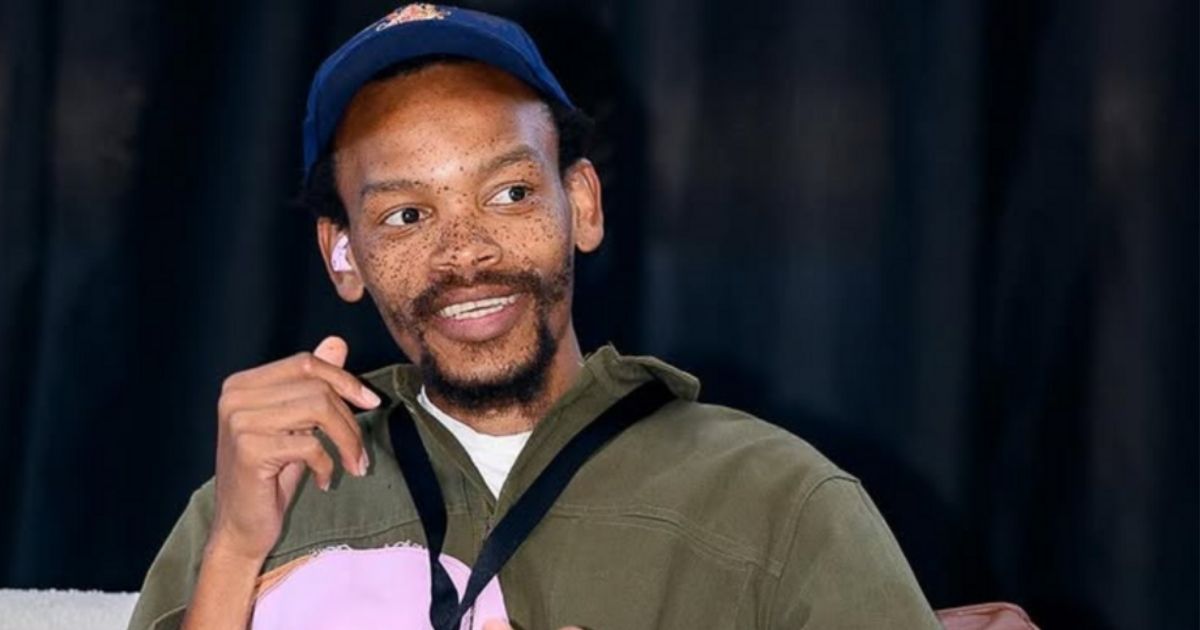
The debate has also crossed into South Africa.
Music executive and commentator Nota Baloyi has argued that South African artists should reconsider performing in Zimbabwe, calling for a reciprocal cultural boycott.
His comments intensified discussions about whether entertainment should become a tool for political expression.
Supporters of this position believe artists should take a stand on regional issues.
Critics, however, say such measures risk punishing musicians who are not responsible for government policies or public behaviour.
They argue that cultural exchange has historically helped build understanding between communities.
Can music survive political tensions?
The controversy surrounding the Cheso Power Festival highlights a difficult question facing the entertainment industry across Africa: should music remain separate from politics, or should artists and events reflect the concerns of society?
For some fans, concerts are spaces for enjoyment and unity, where people from different backgrounds can come together.
For others, cultural events carry meaning beyond entertainment and can become platforms for expressing solidarity.
The outcome of the debate around Makhadzi’s appearance at the Cheso Power Festival could influence how promoters approach future bookings involving international artists.
As the festival date approaches, attention will remain on whether organisers proceed with the announced line-up or make changes in response to public pressure.
For now, an event designed to celebrate Alick Macheso’s legacy has become part of a much bigger conversation about identity, borders and the power of music in Southern Africa.