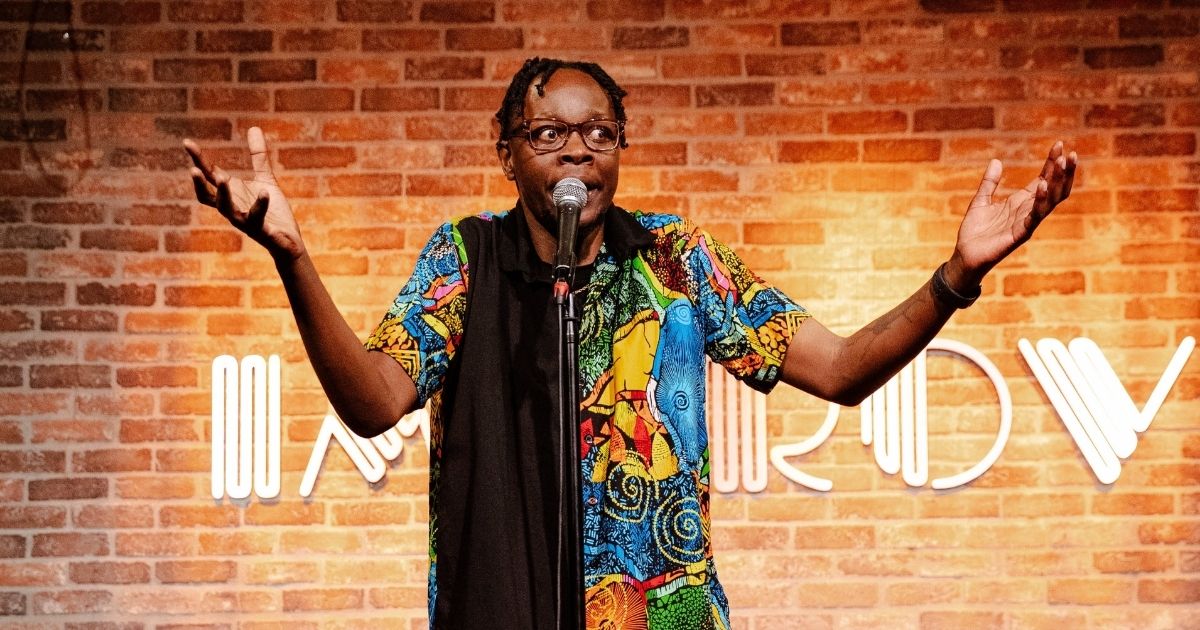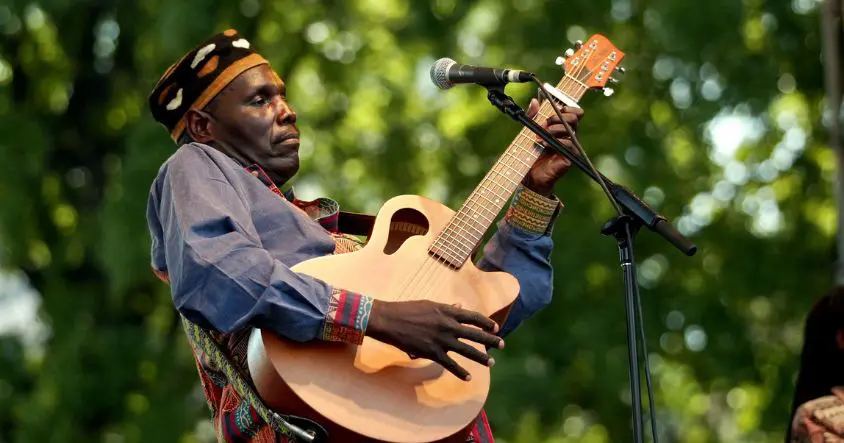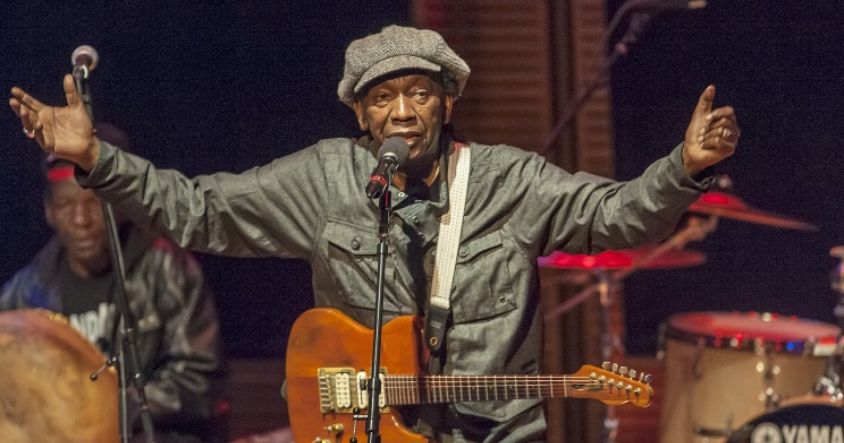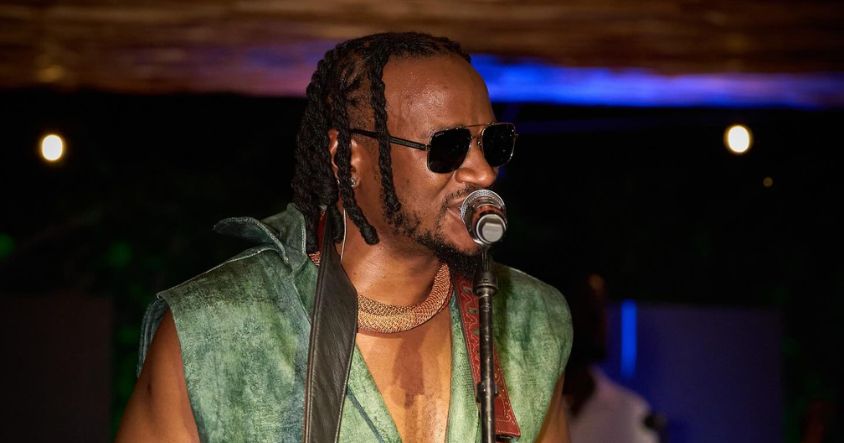
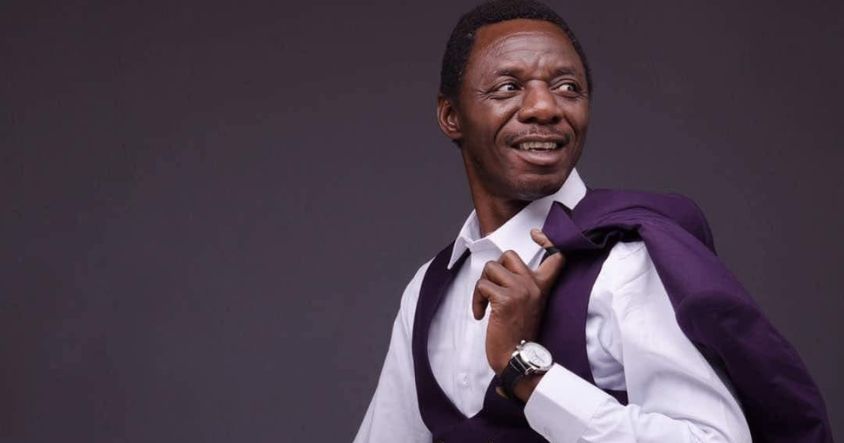
Alick Macheso, born on 10 June 1968 in Shamva, is widely regarded as one of Zimbabwe’s greatest sungura musicians and one of the most influential figures in the country’s modern music history.
As the founder and leader of Orchestra Mberikwazvo, Macheso transformed sungura with his innovative bass guitar techniques, multilingual songwriting and electrifying stage performances.
With a career spanning more than three decades, he has become a cultural icon whose work has shaped Zimbabwe’s entertainment landscape and inspired generations of artists.
Early Life and Cultural Background
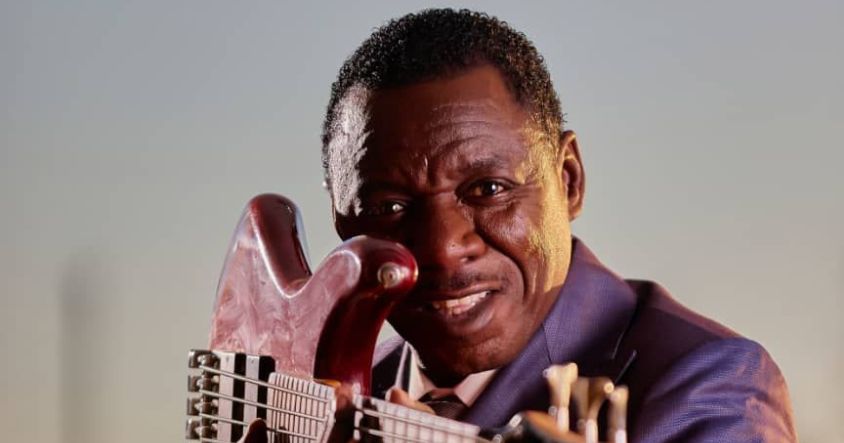
Macheso was born in Shamva in Mashonaland Central to a family of Malawian descent.
Growing up on agricultural farms exposed him to a rich cultural mix of languages and musical influences. These early years shaped his identity profoundly.
He became fluent in Shona, Chichewa, Sena and Venda, languages he would later weave into his music, enhancing his appeal across Zimbabwe and among Malawian, Mozambican and Zambian communities.
His upbringing instilled in him a strong sense of rhythm and melody, fostered by the storytelling traditions and communal music often found in rural settings.
Even before he entered the professional world, Macheso displayed a natural inclination toward music, often experimenting with makeshift instruments and participating in local performances.
Musical Beginnings and Early Career Development

Macheso’s professional journey began when he moved to Harare as a young man to pursue a career in music.
His first significant opportunity came when he joined Shepherd Chinyani’s Vhuka Boys, a well-known sungura outfit that played a crucial role in shaping his early musicianship. Under Chinyani’s mentorship, he refined his guitar skills and became more familiar with the technical and performance aspects of urban Zimbabwean music.
His growth accelerated when he later joined the legendary Khiama Boys, one of Zimbabwe’s most influential sungura groups.
Led by Nicholas Zakaria and featuring respected guitarist Obvious Mutani, the Khiama Boys served as a finishing school for Macheso. Here he learned disciplined rehearsal routines, mastered the alignment of lead, rhythm and bass guitar parts, and gained confidence performing before large audiences. His time with Khiama Boys is consistently acknowledged as one of the most impactful phases of his early career, laying the foundation for his future success as a bandleader.
Founding of Orchestra Mberikwazvo

After years of refining his craft, Macheso decided to establish his own band, forming Orchestra Mberikwazvo in the late 1990s.
This new group quickly stood out for its disciplined musicianship, tight three-guitar arrangements and energetic on-stage choreography.
In 1998, Macheso released his debut solo album “Magariro,” a project that introduced his emerging musical identity. A year later, he followed it with “Vakiridzo,” which featured the early hit “Shedia,” earning him increasing attention across Zimbabwe.
These early recordings signalled the arrival of a unique new voice in sungura, but the breakthrough that would change Macheso’s life and Zimbabwean music was still to come.
Breakthrough Success: The Impact of “Simbaradzo”
The year 2000 marked a turning point in Macheso’s career with the release of his third album, “Simbaradzo.”
This album became one of the highest-selling records in Zimbabwean music history and catapulted him to national stardom.
Hit songs such as “Mundikumbuke,” “Amai VaRubhi,” and a refined version of “Shedia” resonated deeply with listeners for their emotional storytelling, captivating melodies and dynamic instrumental arrangements.
“Simbaradzo” cemented Macheso’s place as the leading figure of sungura at the dawn of the new millennium.
In addition to radio dominance, the album elevated Orchestra Mberikwazvo into one of the country’s most in-demand live bands.
Crowds flocked to see Macheso’s charismatic performances, and his popularity grew across Zimbabwe and the region.
Rise to National Dominance (2001–2005)
Following the massive success of “Simbaradzo,” Macheso’s momentum continued uninterrupted. His 2001 album “Zvakanaka Zvakadaro” expanded his growing fan base, while the 2003 release “Zvido Zvenyu Kunyanya” showcased his growth in songwriting and arrangement, positioning him as an artist capable of producing consecutive hits.
In 2005, he released “Vapupuri Pupurai,” another commercially successful album that reinforced his standing as one of Zimbabwe’s most admired and respected musicians.
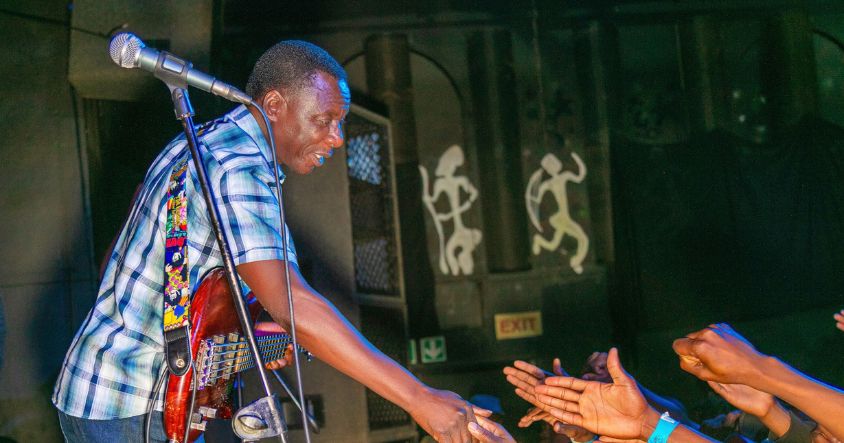
During this period, Macheso became a cultural phenomenon. His concerts were packed with fans eager to witness his high-energy performances, marked by precise guitar synchronisation, spirited dance routines and extended instrumental sections that highlighted his virtuosity.
The Evolution of His Music: 2010s to the Present

Macheso continued to record and tour extensively throughout the 2010s, demonstrating staying power in an industry that was rapidly changing. In 2010, he released the “Ndezvashe EP,” which presented a spiritual dimension to his music. This was followed by “Zvinoda Kutendwa” in 2011 and “Kwatakabva Mitunhu (Kure Kwekure)” in 2012, both of which were well received and showcased his maturity as an artist.
After several years focused on touring and refining his sound, Macheso returned in 2016 with “Tsoka Dzerwendo,” a project that reasserted his leadership in sungura.
In 2018, he delivered “Dzinosvitsa Kure,” a musically rich album that demonstrated his continued creativity and relevance.
His most recent release, “Tinosvitswa Nashe,” launched in 2022 on his birthday, reaffirmed his exceptional longevity in Zimbabwean music and introduced new material that resonated with fans across generations.
Musical Style and Artistic Innovations
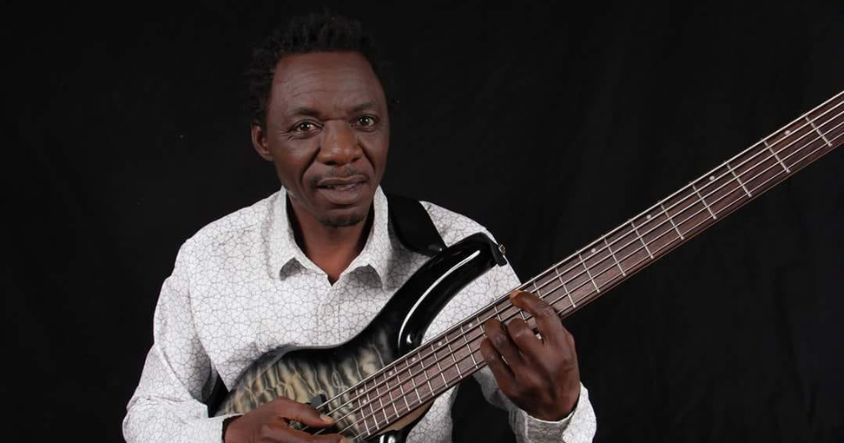
Alick Macheso’s artistry is anchored in a distinctive musical style that sets him apart from other sungura artists.
He is renowned for transforming the traditional role of the bass guitar, elevating it from a supporting instrument to a central melodic and rhythmic force.
His fast, expressive bass runs, emotional solos and complex rhythmic patterns became trademarks of Orchestra Mberikwazvo’s sound and influenced numerous musicians within and beyond Zimbabwe.
Macheso is also celebrated for his multilingual vocal delivery, effortlessly moving between Shona, Chichewa, Sena and Venda.
This enriched his cross-cultural appeal and helped create a sense of shared identity among diverse audiences.
Beyond the music itself, Macheso revolutionised live performance through the introduction of the Borrowdale Dance, a high-energy movement inspired by horse-racing and characterised by galloping footwork.
The dance became a national craze, turning Macheso into both a musical and cultural trendsetter.
His lyrics often explore social themes — from relationships and moral lessons to everyday struggles — making his songs relatable and grounded in Zimbabwean lived experience.
Band Dynamics and the Legacy of Orchestra Mberikwazvo
Over the years, Orchestra Mberikwazvo has been home to many accomplished musicians. While some members eventually left to form their own groups or pursue solo careers, Macheso has consistently succeeded in nurturing new talent and maintaining the band’s signature identity.
His leadership style emphasises discipline, professionalism and musical excellence, allowing the band to remain one of Zimbabwe’s most respected and enduring musical ensembles.
The group’s live performances continue to attract large audiences, a testament to its enduring legacy and Macheso’s role as a commanding bandleader.
Philanthropy, Public Engagement and Social Influence
Beyond music, Macheso is known for his philanthropic contributions and involvement in charitable causes.
Throughout his career, he has participated in social-awareness campaigns, humanitarian activities and cultural programmes aimed at uplifting communities.
His work off the stage has strengthened his image as a socially responsible public figure and deepened his connection to Zimbabwean society.
Macheso is frequently recognised as a role model who uses his platform to promote unity, family values and cultural preservation.
Cultural Impact and Legacy

Alick Macheso’s impact on Zimbabwean music is profound and enduring. He is widely considered one of the greatest sungura musicians of all time, with a legacy built on innovation, consistency and artistic excellence.
His mastery of the bass guitar, his evolution of sungura’s sound structure, and his development of iconic dance styles have set him apart from his peers.
Moreover, his success over more than two decades illustrates his unique ability to adapt while remaining true to the genre that made him famous.
His influence can be heard in the work of many younger musicians who emulate his guitar patterns, adopt his stage choreography and draw inspiration from his lyrical storytelling.
For many Zimbabweans, Macheso’s music is not merely entertainment — it is part of the cultural fabric of the nation.
Alick Macheso’s Discography
Studio Albums
Magariro (1998)
Vakiridzo (1999)
Simbaradzo (2000)
Zvakanaka Zvakadaro (2001)
Zvido Zvenyu Kunyanya (2003)
Vapupuri Pupurai (2005)
Zvinoda Kutendwa (2011)
Kwatakabva Mitunhu (Kure Kwekure) (2012)
Tsoka Dzerwendo (2016)
Dzinosvitsa Kure (2018)
Tinosvitswa Nashe (2022)
Singles & Notable Songs
Mundikumbuke
Amai VaRubhi
Shedia
Charakupa
Petunia
Monalisa
Madhawu
Wemakonzo
Tafadzwa
EPs / Special Releases
Ndezvashe EP (2010)