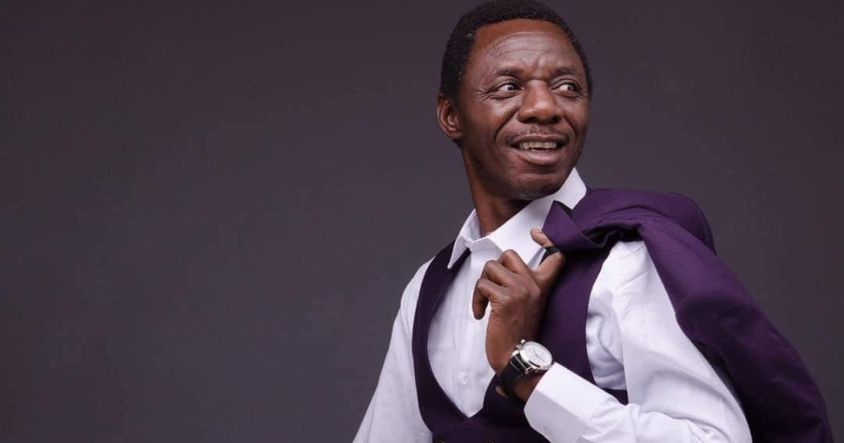
Alick Macheso’s camp has broken its silence amid growing outrage over the controversial decision to drop sungura from the 24th edition of the National Arts Merit Awards (NAMAs).
The shock exclusion of the genre, long regarded as one of Zimbabwe’s most authentic musical sounds, has triggered heated debate across the music industry.
Fans and artists are questioning how a genre that fills venues week after week could be overlooked for the premier awards show on the domestic entertainment scene.
The awards have already courted controversy after social media star, Ritz, ended up with almost FOUR times the number of votes which superstar Jah Prayzah received in the People’s Choice award.
The award is voted for by the people.
It was won by Winky D.
Now Macheso’s camp, whose leader remains the torchbearer of sungura, is questioning why this genre was not included among the awards.
“A lot has been said about NAMAs excluding sungura, including performances, but we don’t lose heart,” said his publicist Tichaona Makahamadze.
“Sungura is our music, and it is up to us to make it relevant.
“The fact that you are discussing it speaks loudly about its significance.
“Sungura is genuinely Zimbabwean music, and we should all respect that fact.”
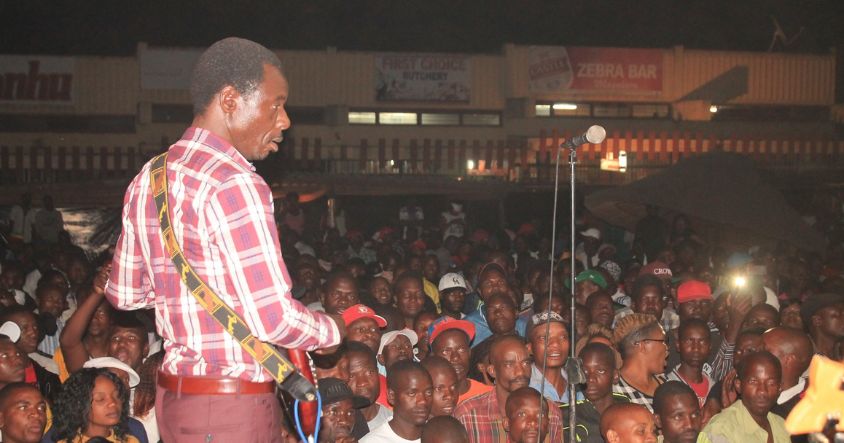
While the awards storm continues to rage, Macheso let his music do the talking last Friday when he delivered a fine performance at Warren Park Council Bar in Harare.
Despite the biting cold weather, fans poured into the venue in their numbers, proving that sungura still commands serious loyalty.
The packed venue left Macheso visibly emotional.
“Given the weather conditions, I wasn’t expecting this to happen. I will always cherish this moment, as the loyalty from the fans means a lot to us.”
For decades, Macheso has been one of the most dominant figures in Zimbabwean music, famed for his electrifying bass guitar, relentless energy on stage and timeless sungura hits.
Now at 57, the musician finds himself carrying an even heavier responsibility.
Following the deaths of music legends Oliver Mtukudzi and Nicholas Zakaria, Macheso is widely viewed as the last towering father figure standing in the industry.
And he knows it.
Insiders say the musician has become increasingly passionate about mentoring younger artists and defending the legacy of sungura at a time when new genres are dominating the charts.
Yet the NAMAs snub has intensified fears that the genre is slowly being sidelined despite its deep roots in Zimbabwe’s musical history.
For Macheso, however, the answer is simple – hard work.
He believes the survival of sungura lies not in awards ceremonies but in the commitment of artists and the unwavering support of fans.
His Warren Park show served as powerful evidence of that connection.
Fans sang along word-for-word as Macheso rolled out hit after hit, turning the chilly evening into a pulsating celebration of Zimbabwean rhythm.
Music observers say the moment was symbolic: while critics debate sungura’s relevance, the crowds are still showing up.
And as long as the crowds keep coming, Macheso believes the genre will continue to thrive.
In a rapidly changing music landscape dominated by digital trends and youthful sounds, sungura’s future may depend on whether younger artists embrace the genre and evolve with it without losing its identity.
But if Macheso’s defiant attitude, and the passionate response from the fans are anything to go by, sungura is far from finished.
Even if those who organise the awards choose to ignore it, and leave it out of their show, this powerful genre is not going anywhere soon. – H Metro