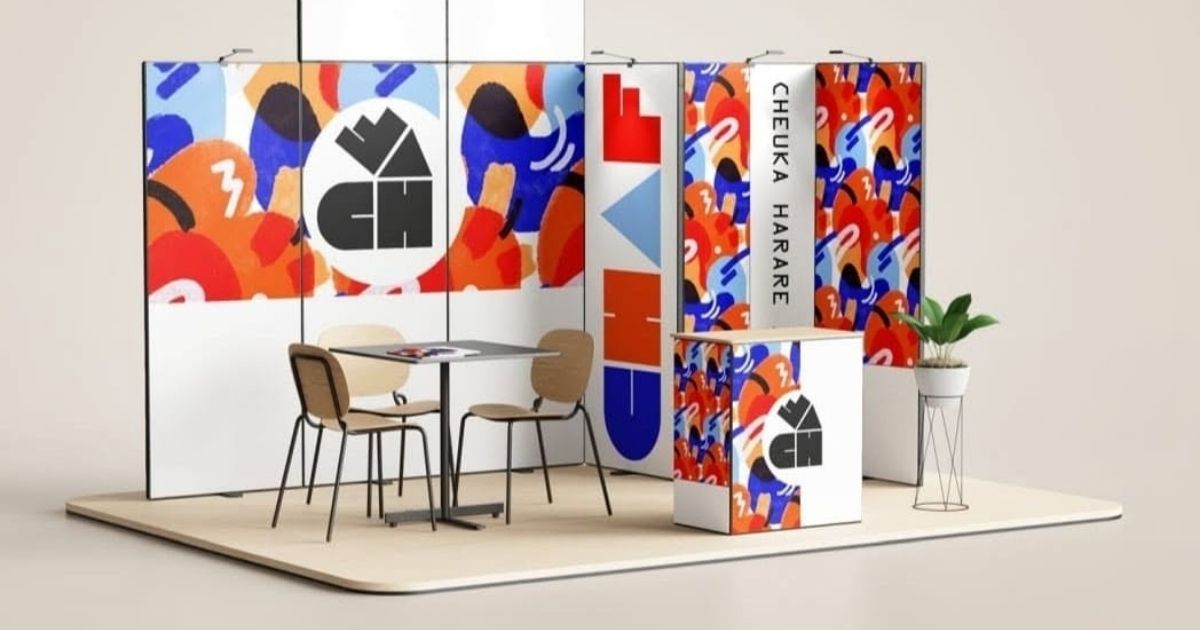
When the Cheuka Harare Art Fair (CHAF) returns for its second edition this November, visitors can expect more than an exhibition of contemporary art.
The fair is positioning itself as a platform for a growing movement that is reshaping Africa’s creative landscape: artist-run spaces, collectives and residencies.
Set to take place from 17 to 19 November 2026 at the East End Hall, Harare Showgrounds, CHAF 26 will place a special focus on organisations that are created and managed by artists themselves.
The theme reflects a broader trend across Africa, where artists are increasingly building their own institutions, networks and support systems in response to limited funding and exhibition opportunities.
For many artists, these independent spaces have become essential laboratories for experimentation, collaboration and community-building.
What are artist-run spaces?
Artist-run spaces are creative platforms established and managed by artists rather than governments, museums or commercial galleries.
They often operate as studios, exhibition venues, residency centres or community hubs where artists can develop new work, share ideas and engage with audiences.
Unlike traditional galleries, artist-run initiatives frequently prioritise experimentation over commercial success.
They provide emerging and established artists with opportunities to test new concepts, collaborate across disciplines and address social issues through creative practice.
Across Africa, these spaces have become increasingly important in supporting artistic development and fostering cultural exchange.
Filling gaps in the arts ecosystem
In many countries, artists face challenges ranging from limited exhibition venues to inadequate funding and a lack of institutional support.
Artist-run initiatives have emerged as a response to these challenges, creating alternative pathways for artists to showcase their work and build sustainable careers.
In Zimbabwe, independent creative spaces have played a significant role in nurturing contemporary visual art.
They have helped artists gain visibility, connect with international networks and participate in exhibitions beyond the country’s borders.
The growth of these initiatives reflects a wider shift in the continent’s art ecosystem, where artists are taking greater control over how their work is produced, presented and discussed.
Why CHAF 26 is focusing on collectives and residencies
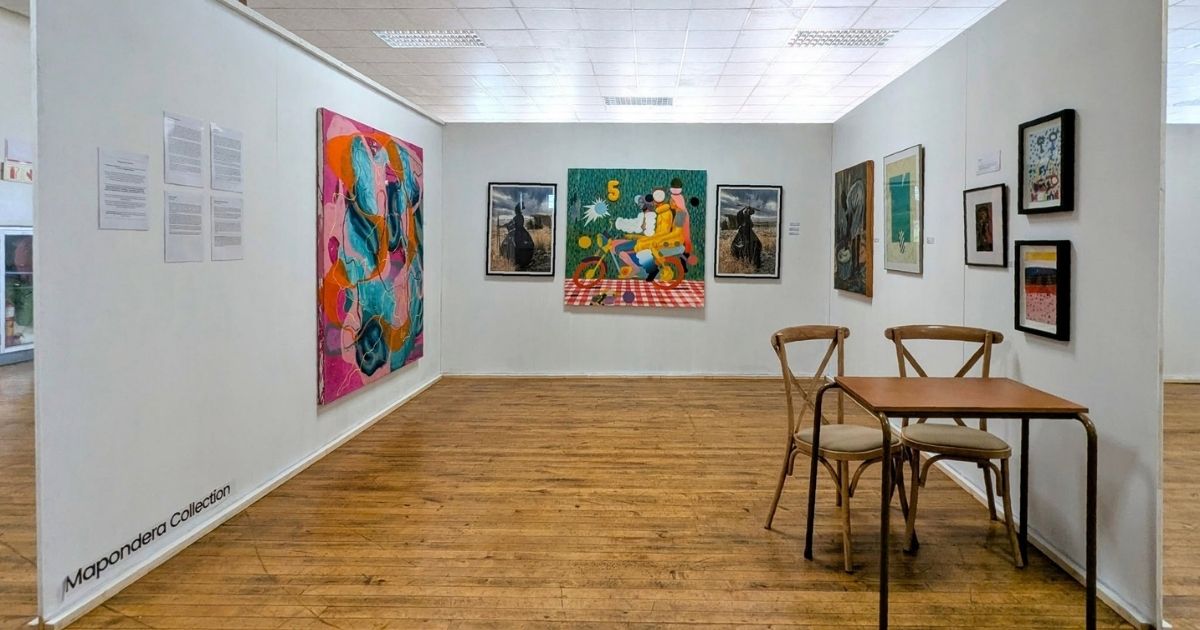
Organisers of CHAF 26 say the decision to spotlight artist-run spaces, collectives and residencies is intended to highlight some of the most dynamic forces shaping contemporary African art today.
Collectives allow artists to pool resources, share skills and work collaboratively on projects that might be difficult to undertake individually. Residencies, meanwhile, provide artists with dedicated time and space to research, experiment and create new work, often while engaging with different communities and cultures.
By bringing these organisations together under one roof, CHAF26 aims to create opportunities for dialogue and collaboration across Southern Africa and the wider continent.
The fair’s organisers believe that strengthening connections between these initiatives can help build a more resilient and interconnected creative sector.
A growing role in African contemporary art
Over the past decade, artist-run initiatives have become increasingly visible in major art events, biennales and international exhibitions.
Many have evolved into influential cultural institutions that shape conversations around identity, heritage, urbanisation and social change.
Their impact extends beyond the production of art. They often serve as educational platforms, mentoring young artists, hosting workshops and creating opportunities for public engagement.
As African art continues to attract growing international attention, artist-run spaces are playing a critical role in ensuring that artists remain active participants in defining the narratives surrounding their work.
Harare’s place in the conversation
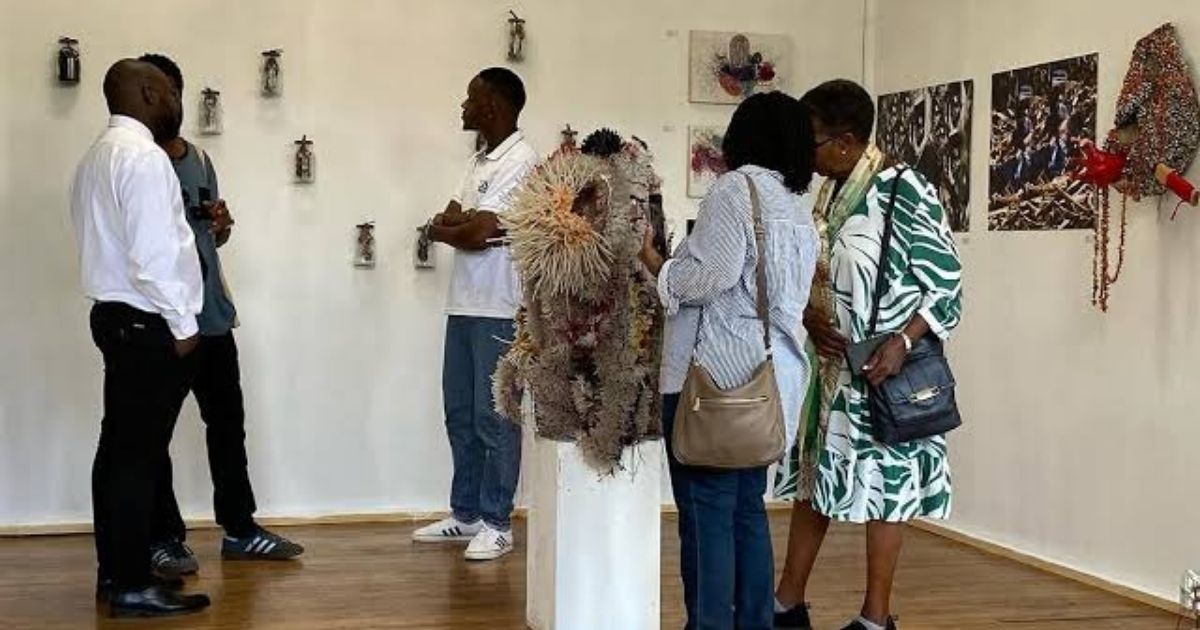
The focus of CHAF 26 also aligns with broader ambitions to strengthen Harare’s reputation as a centre for arts and culture.
Speaking at the fair’s recent launch, cultural commentator Farai Mpfunya described the event as a platform rooted in Zimbabwe and Southern Africa while remaining open to the world.
His vision reflects an ambition shared by many within the creative sector: to position Harare as a city where artists, collectors, curators and cultural practitioners can meet, exchange ideas and build lasting relationships.
“CHAF are building a fair that is unapologetically rooted here — in Harare, in Zimbabwe, in the Southern African region — while opening wide its doors to the world,” said Mpfunya.
“A fair where collectors from London and Lagos, curators from New York and Nairobi, will come not to extract, but to encounter. Not to define, but to listen.”
With Zimbabwean artists increasingly gaining recognition on international stages, events such as CHAF offer opportunities to showcase the country’s creative talent while connecting local practitioners to regional and global networks.
More than an art fair
While art fairs are often associated with exhibitions and sales, CHAF’s focus on artist-run initiatives suggests a broader purpose.
The event is seeking to explore how creative communities organise themselves, support one another and contribute to cultural development.
By highlighting collectives, residencies and independent art spaces, CHAF 26 is drawing attention to the structures that help artists thrive long before their work reaches galleries, museums or international markets.
As the fair prepares for its second edition, its emphasis on artist-led initiatives reflects an understanding that the future of African art will not be shaped solely by institutions, but also by the communities of artists creating opportunities for themselves and others.
For visitors, collectors and cultural professionals attending CHAF 26, the fair promises not only a chance to discover new artistic talent but also an opportunity to understand the networks and organisations helping to shape the next chapter of African contemporary art.

Andrew Moyo is a veteran entertainment journalist with over a decade of experience. He has worked for some of the biggest publications in Zimbabwe including The Sunday Mail.