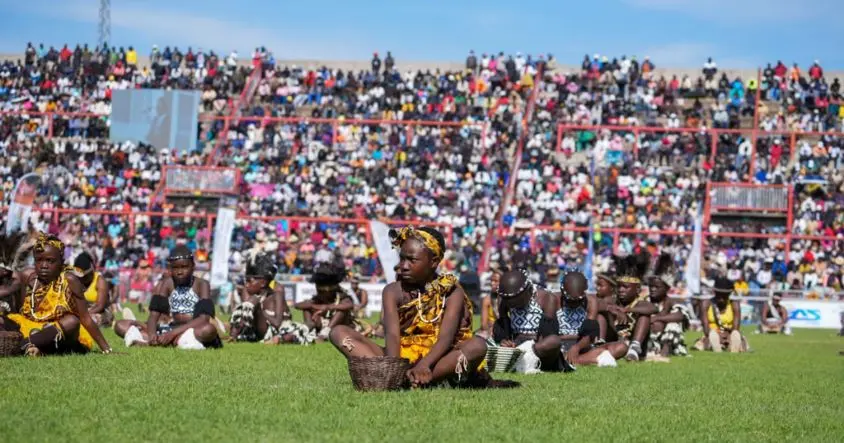
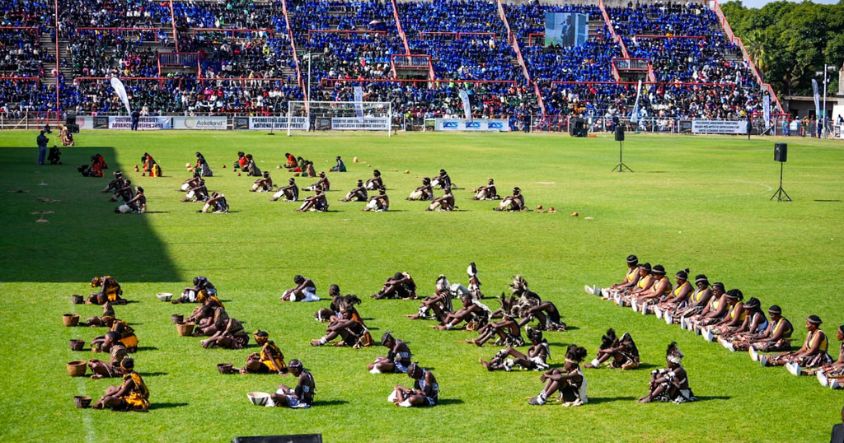
Barbourfields Stadium in Bulawayo came alive with song, dance, poetry and traditional pageantry on Thursday as Zimbabwe officially launched the 2026 National Culture Month celebrations, bringing together thousands of people from across the country in one of the biggest showcases of cultural heritage on the national calendar.
The colourful event, presided over by President Emmerson Mnangagwa, transformed the iconic stadium, popularly known as Emagumeni, into a vibrant stage for Zimbabwe’s many cultural traditions, languages and artistic expressions.
Held under the theme “Cultural Diversity and Creativity: Advancing Vision 2030,” the celebrations highlighted the growing importance Zimbabwe is placing on culture as both a pillar of national identity and a driver of economic development through the creative industries.
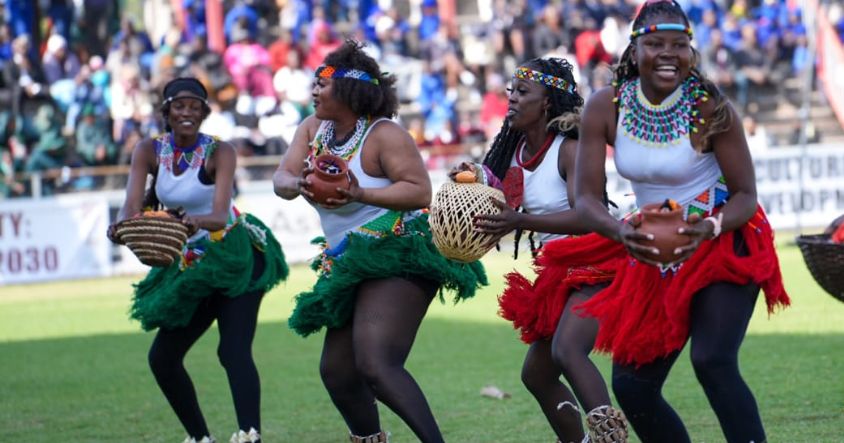
More than 120 artistes from the Matabeleland region took part in a specially curated cultural showcase featuring traditional dances, music, fashion, poetry and theatrical performances representing different communities from across Zimbabwe.
The event was organised by the National Arts Council of Zimbabwe in partnership with the Ministry of Sport, Recreation, Arts and Culture.
Why Bulawayo Was Chosen
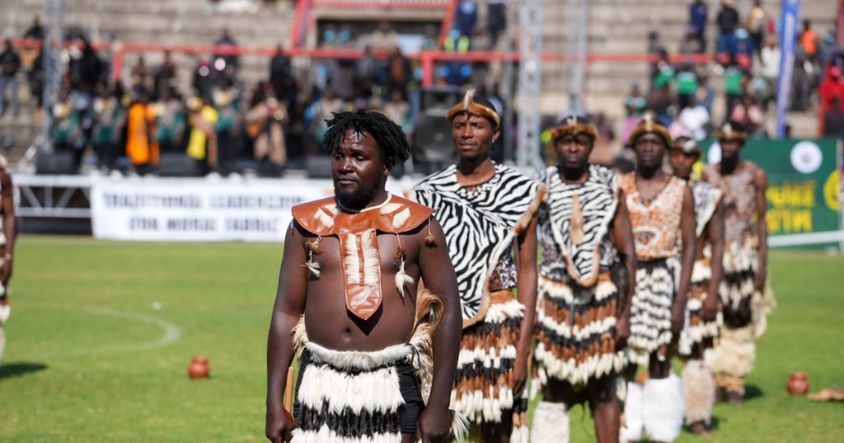
Bulawayo’s selection as the host city was widely praised by artists and cultural stakeholders, many of whom regard the city as Zimbabwe’s cultural capital.
The city has long been associated with strong traditions in music, dance, theatre and heritage preservation. It is home to major cultural institutions and festivals, including Intwasa Arts Festival koBulawayo, the National Gallery in Bulawayo and several museums of national importance.
Barbourfields Stadium itself added symbolic weight to the celebrations. The stadium is home to Highlanders Football Club, one of Zimbabwe’s oldest football institutions and a club deeply connected to Ndebele heritage and identity.
This year’s commemorations also coincided with Highlanders FC’s centenary celebrations, with the club among exhibitors at the launch event. Organisers described the club’s presence as an example of how sport and culture often intersect in Zimbabwean society.
A Celebration Beyond Entertainment
While the launch featured entertainment and performances, officials repeatedly stressed that Culture Month is about much more than music and dance.
Permanent Secretary in the Ministry of Sport, Recreation, Arts and Culture, Nicholas Moyo, said the commemorations serve as a reminder of Zimbabwe’s identity, heritage and pride.
Culture Month is commemorated annually every May and is designed to encourage Zimbabweans to celebrate and preserve indigenous traditions, languages, cuisine, dress and customs. The commemorations also seek to strengthen national unity by recognising the country’s cultural diversity.
Throughout the month, activities are held in provinces and districts across the country, including exhibitions, film screenings, poetry performances, theatre productions, traditional cooking showcases, pageantry events and community dialogues.
Government officials say the celebrations form part of broader efforts to preserve cultural heritage at a time when globalisation and digital culture are rapidly changing how younger generations engage with traditional practices.
Traditional Food, Fashion and Indigenous Knowledge
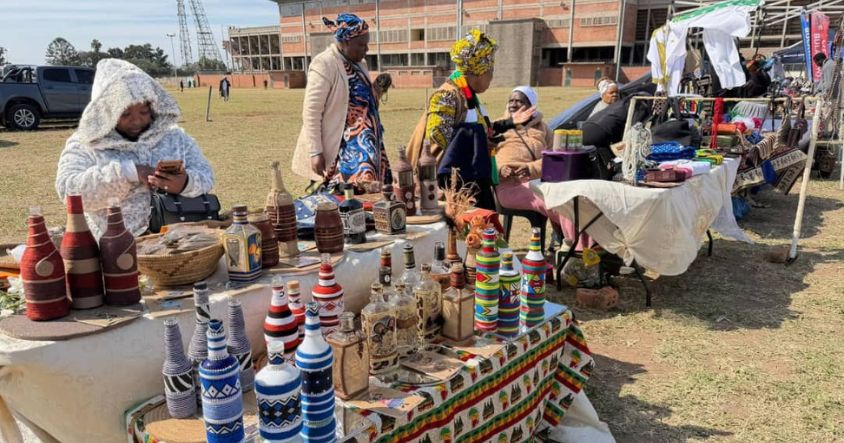
One of the standout features at Barbourfields was the exhibition section, where cultural organisations, artists, historians and culinary experts displayed Zimbabwean traditions in different forms.
Among those attracting attention was chef Prince Sivalo Mahlangu, founder of Magriza Made Me Cook, who showcased traditional Ndebele dishes such as amasi and umxhanxa while educating visitors on indigenous culinary traditions.
Exhibitions also included heritage displays from the Joshua Nkomo National Foundation and presentations celebrating Zimbabwe’s liberation history, language diversity and indigenous craftsmanship.
Attendees were encouraged to wear traditional attire and Zimbabwe’s national colours, turning the stadium into a visual celebration of African identity and heritage.
Culture and the Economy
In recent years, Zimbabwe’s government has increasingly linked culture to tourism, employment creation and the growth of the creative economy.
Officials say Culture Month provides opportunities for local artists, designers, performers, filmmakers and craftspeople to market their work while promoting cultural tourism.
The creative and cultural industries are becoming an increasingly important sector globally, contributing billions of dollars to economies through music, fashion, film, festivals and heritage tourism. Zimbabwe has been trying to position itself within that space by investing more in arts and heritage programming.
The decentralisation of national events, moving major commemorations outside Harare, has also become part of the government’s broader strategy to spread economic opportunities to other regions.
For Bulawayo, hosting the launch was seen not only as a cultural milestone but also as an economic opportunity for local businesses, artists, food vendors and tourism operators.
Why National Culture Month Matters
For many Zimbabweans, National Culture Month has become an important annual reminder of the country’s rich cultural diversity at a time when traditional practices face growing pressure from modern lifestyles and foreign influences.
Zimbabwe is home to several ethnic groups and languages, including Shona, Ndebele, Tonga, Venda, Kalanga, Nambya, Shangani and Sotho communities, each with distinct customs, music, storytelling traditions and ceremonial practices.
Cultural advocates argue that preserving these traditions is critical for maintaining social cohesion, historical memory and community identity.
The commemorations also create platforms for intergenerational learning, where younger Zimbabweans are exposed to indigenous knowledge systems, oral traditions and artistic practices that might otherwise disappear over time.
As drums echoed through Barbourfields Stadium and performers took to the stage in colourful traditional regalia, the message behind this year’s celebrations became clear: culture is not simply about the past, but about shaping Zimbabwe’s future identity as well.