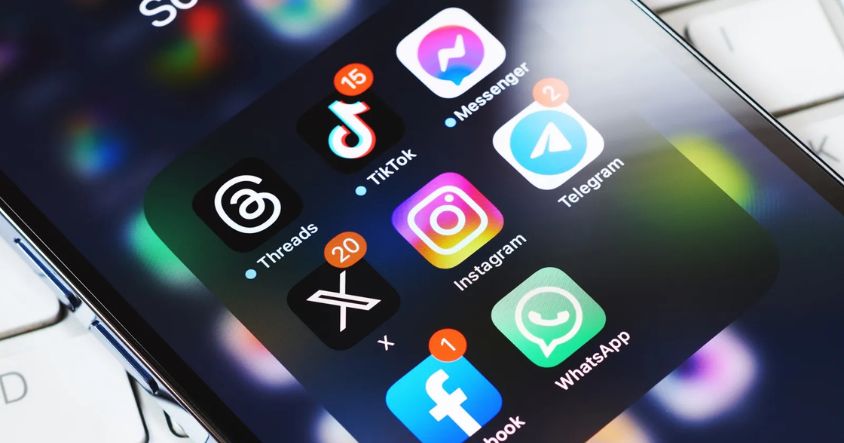
Social Media in Zimbabwe
Zimbabwe’s digital landscape is changing faster than at any point in its history. More Zimbabweans are online, more are creating content, more are building businesses through social platforms, and more are navigating the complicated intersection of expression and regulation that comes with it.
According to the DataReportal Digital 2025 Zimbabwe report, 6.45 million Zimbabweans are now internet users, representing 38.4% of the population, and 2.10 million are active on social media, roughly 12.5% of the country’s population.
Those numbers continue to grow, and the platforms they choose to use tell a revealing story about how Zimbabwean digital culture is evolving.
Here is a platform-by-platform breakdown of who is winning, who is rising, and what it all means.
Facebook: Still the Most Used, But Showing Its Age
Facebook remains the most popular social media platform in Zimbabwe. Among social media users, it commands the largest share of daily active use and remains the primary platform for news consumption, community groups, event promotion, and business marketing.
Most Zimbabwean brands, politicians, media houses, and musicians maintain their most active official presence on Facebook.
The platform’s dominance is partly a function of history. Facebook has been accessible to Zimbabwean users for longer than most of its competitors, and it became embedded in the habits of a generation who first went online via mobile data.
WhatsApp groups and Facebook pages remain the primary infrastructure for community organisation across churches, schools, businesses, and neighbourhood networks.
However, Facebook’s dominance among younger Zimbabweans is visibly eroding. The platform is increasingly perceived as the home of older users, shared news articles, and business content, while the generation currently in their teens and early twenties has migrated their social interactions elsewhere.
This generational shift mirrors a global pattern, most clearly illustrated in South Africa, where Facebook’s share of favourite platforms among internet users dropped significantly between 2023 and 2025 as TikTok and Instagram gained ground.
WhatsApp: The Infrastructure of Everyday Life
WhatsApp occupies a different category from the others on this list. It is less a social media platform in the conventional sense and more the fundamental infrastructure of digital communication in Zimbabwe. Family groups, church groups, business networks, school parent groups, and political discussion spaces all operate primarily through WhatsApp.
For Zimbabweans in the diaspora, WhatsApp is the primary way of maintaining real-time connection with family at home. Voice notes, shared articles, event announcements, prayer chains, money transfer coordination, and livestreamed church services all flow through WhatsApp groups daily.
Its dominance in this role makes it almost impossible to displace.
The question is not whether WhatsApp will remain relevant in Zimbabwe, but how its use will evolve as the platform itself introduces new features such as WhatsApp Channels, which allow one-to-many broadcast communication in a format that begins to resemble a social feed rather than a messaging app.
TikTok: The Fastest Growing Force
TikTok is the platform with the most momentum in Zimbabwe right now. Among the 18 to 35 demographic in particular, it has become the primary space for entertainment, music discovery, comedy, and cultural commentary.
Zimbabwean creators have built substantial followings on the platform by producing content that speaks directly to the experiences of young Zimbabweans at home and abroad: everyday humour, social observation, music, fashion, and life commentary that does not get the same platform in mainstream media.
The platform’s short-form video format has proved a natural fit for Zimbabwean content.
Comedy skits, music reaction videos, cultural explainers, and diaspora content all travel well on TikTok’s algorithm, which distributes content on the basis of engagement rather than follower count.
This means a Zimbabwean creator with a compelling video can reach an audience of millions even without an established following, a democratisation of reach that older platforms do not offer to the same degree.
TikTok’s rise in Zimbabwe is also driving a broader shift in content creation as a career path. Zimbabwean creators are increasingly building full-time income streams through brand partnerships, sponsored content, and live gifts on the platform.
Monetisation from TikTok itself remains limited in Zimbabwe, as the platform’s Creator Fund does not yet cover the country, but income through brand deals and diaspora-targeted content remains viable for creators with significant reach.
Instagram: Urban, Aspirational, and Brand-Friendly
Instagram’s footprint in Zimbabwe skews young, urban, and aspirational. It is the platform of choice for fashion, photography, lifestyle content, and brand marketing, and it has become particularly important for Zimbabwean businesses in hospitality, fashion, beauty, and the arts.
Harare’s creative class, from gallery owners to restaurateurs, interior designers to musicians, uses Instagram as a primary showcase for their work.
The platform’s visual emphasis suits an audience interested in aesthetics and lifestyle content, and its Stories, Reels, and shopping features have given Zimbabwean entrepreneurs direct access to both local and diaspora customers.
Instagram Reels has also gained traction as a secondary destination for video content, benefiting from TikTok’s growth and the cross-posting behaviour of creators who distribute the same short-form video across both platforms.
X (formerly Twitter): Political, Urban, and Vocal
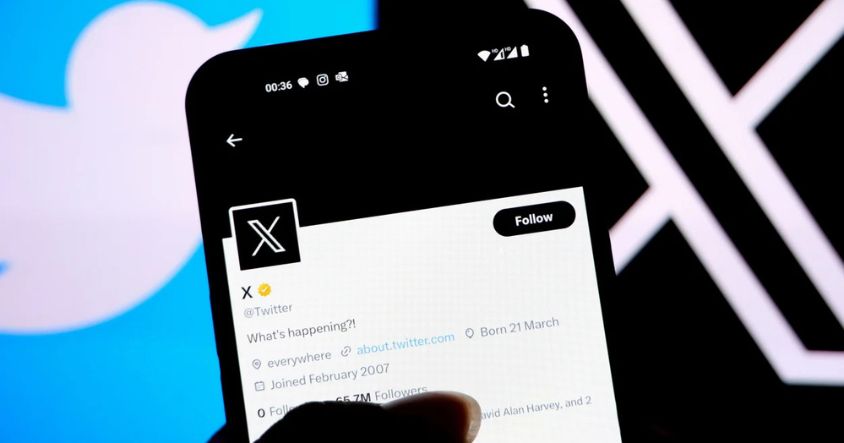
X, formerly known as Twitter, has a smaller but disproportionately influential user base in Zimbabwe. It is primarily the home of urban professionals, journalists, activists, politicians, and commentators, and it functions as the key platform for political debate, media commentary, and breaking news in the country.
Because of its text-forward format and the visibility of public discourse, X has been the platform most closely monitored by Zimbabwe’s government and regulatory authorities. It was one of the platforms that saw usage spike during periods of political tension, when Zimbabweans who felt their voices were marginalised in traditional media turned to Twitter to organise and communicate.
X’s reduced functionality in some markets and the uncertainty around its global ownership and direction under Elon Musk have slowed its growth, but its role as the home of civic and political discourse in Zimbabwe means it retains significant influence well beyond its raw user numbers.
YouTube: The Gospel and Music Engine
YouTube’s role in Zimbabwe is less about social interaction and more about content consumption, and in that function it is enormously powerful. It is the primary platform through which Zimbabweans access music videos, gospel recordings, church services, news commentary, and educational content.
For Zimbabwe’s gospel music industry in particular, YouTube is the main distribution channel. Artists including Janet Manyowa, Mathias Mhere, Michael Mahendere, and Zimpraise have built audiences of hundreds of thousands of subscribers, and their most popular uploads routinely reach millions of views. For diaspora audiences who want to follow Zimbabwean church services, political commentary, or music, YouTube is the go-to.
The platform is also generating income for a growing number of Zimbabwean creators. Unlike TikTok, YouTube’s monetisation programme is accessible to Zimbabwean creators who meet its eligibility thresholds, making it one of the few platforms through which creators in Zimbabwe can directly earn from the platform’s own revenue-sharing model.
The Regulatory Backdrop: A Changing Environment for Creators

Any account of social media in Zimbabwe in 2026 is incomplete without an understanding of the regulatory environment that content creators are navigating.
In February 2026, the Broadcasting Authority of Zimbabwe (BAZ) issued a formal warning to social media content creators, citing serious concern over the growing spread of explicit digital content on platforms including Facebook and TikTok.
The warning was prompted in part by the rapid rise of a creator known as Queen Nadia TV, who amassed over three million Facebook followers in a matter of days through explicit content.
BAZ made clear that all digital content consumed within Zimbabwe falls under the country’s legal and constitutional framework, regardless of which platform hosts it, and warned that enforcement action would follow for creators who violated national laws. “Freedom of expression must be enjoyed responsibly,” the authority stated, citing Sections 61 and 86 of the Constitution.
More broadly, the government has signalled its intention to introduce new legislation specifically targeting social media, citing concerns about misinformation, anonymous accounts, and the use of digital platforms to spread what it described as harmful narratives. MISA Zimbabwe, the media freedom organisation, has pushed back strongly, arguing that the proposed law would over-regulate the digital space and risk the erosion of constitutionally guaranteed freedoms of expression.
The Broadcasting Services Amendment Act of 2025 has also formally extended Zimbabwe’s media regulation framework to include internet-based broadcasting, meaning podcasts, livestreams, and social media content are now formally subject to BAZ oversight.
Media freedom advocates have warned that without guaranteed independence from executive influence, BAZ’s expanded mandate could be used selectively against critical voices.
For creators operating in this environment, the message is clear: the freewheeling, largely unmonitored era of Zimbabwean social media is over. Building a sustainable content business in Zimbabwe now requires an understanding of where the regulatory lines are drawn and the confidence to operate professionally within them.
What This Means for Businesses and Creators
For brands looking to reach Zimbabwean audiences, the platform mix matters enormously. Facebook still offers the broadest reach across all age groups and remains essential for business pages, community engagement, and event promotion. TikTok is indispensable for reaching anyone under 35, particularly for music, lifestyle, and entertainment brands. Instagram complements TikTok well for visual brands in fashion, hospitality, and lifestyle, while YouTube provides the platform with the strongest long-form and evergreen content performance.
For creators, the path forward is platform diversification, building an audience across multiple platforms rather than relying on any single one.
The regulatory environment rewards professionalism. Creators who produce consistently, disclose commercial partnerships transparently, and avoid content that tests legal limits are the ones building durable careers.
Zimbabwe’s social media story is still being written. With internet penetration at under 40%, a significant share of the country’s 16.8 million people has yet to come online. When they do, the platforms that have established trust, invested in local content, and built real utility into daily Zimbabwean life will be the ones that win.