
The Broadcasting Authority of Zimbabwe (BAZ) has issued a stern warning to digital content creators, underscoring its constitutional duty to protect children and uphold national values following a growing online controversy involving social media personality Queen Nadia TV.
The regulator’s statement, released on 3 February 2026, comes after Queen Nadia TV trended widely across Facebook for videos that many critics described as inappropriate and harmful to young viewers.
Her rise has ignited public debate over the boundaries of acceptable online content and the responsibilities of digital creators in Zimbabwe.
Queen Nadia TV: Rapid Rise and Divisive Content
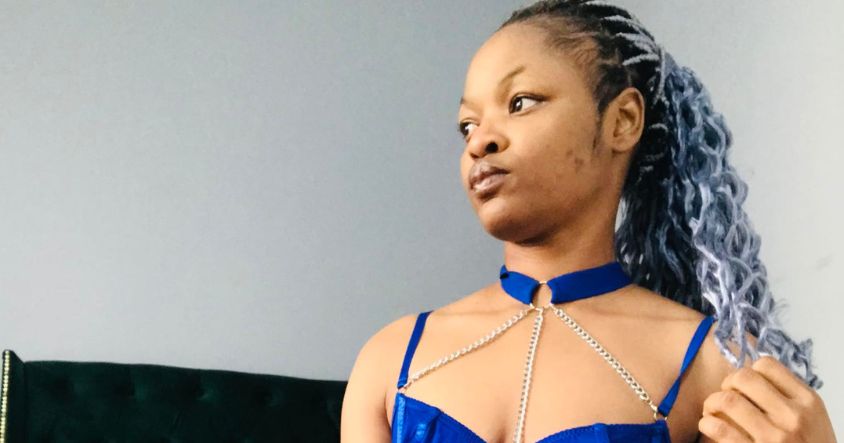
Queen Nadia TV, a Zimbabwean content creator on Facebook, has amassed a huge online following in a short period of time, reportedly reaching millions of users with her short-form videos.
Her content, often described as suggestive, provocative, or borderline explicit, has attracted both immense engagement and intense criticism.
While her supporters argue that she is simply producing entertainment for an adult audience, detractors contend that her material crosses ethical and cultural lines, especially given that children frequently access Facebook and may easily view her posts.
Her videos briefly display sexually suggestive gestures or body parts, creating controversy over whether such content should be allowed in a public digital space.
The resulting uproar prompted calls for government intervention and sparked national conversations about digital safety, morality, and modern content creation.
Regulator Reinforces Legal Boundaries
In its statement, BAZ said it had “taken note with serious concern” of the spread of explicit digital content accessible to audiences within Zimbabwe, including minors.
Although the Authority did not mention Queen Nadia TV by name, the general public has widely linked the warning to the ongoing controversy.
BAZ reiterated that all digital and broadcast content consumed in Zimbabwe is subject to national laws and constitutional provisions.
While Section 61 of the Constitution guarantees freedom of expression, BAZ emphasised that this freedom is not absolute and must be exercised responsibly, with respect for the rights and welfare of others as stated in Section 86.
The Authority also cited the Broadcasting Services Act, which mandates the protection of children from harmful material, and the Censorship and Entertainment Control Act, which prohibits the dissemination of content considered indecent, obscene, or harmful to public morals.
Debate Over Platform Responsibility

The Queen Nadia TV saga has also drawn attention to the role of social media platforms in moderating content.
Some users who reported her material online said they were informed by platform administrators that the content did not violate community standards, raising questions about how global social media companies interpret and enforce rules within local cultural contexts.
Child protection advocates have warned that Zimbabwe’s youth are increasingly exposed to digital risks, arguing that easily accessible provocative content can have long-term psychological and moral consequences.
Government Signals Stricter Enforcement
BAZ stated that it “will not permit the misuse of digital platforms” in ways that undermine the Constitution, national laws, or collective moral standards.
The Authority said it will take appropriate enforcement measures to safeguard the public interest and ensure compliance.
The warning reflects a growing determination by authorities to regulate online behaviour more closely at a time when digital content is reshaping Zimbabwe’s social landscape.
As creators continue to push boundaries in pursuit of visibility and monetisation, the pressure for stronger regulatory oversight is likely to intensify.
A Call for Responsible Content Creation
In closing, BAZ urged digital creators to respect Zimbabwean cultural values and ensure that their work upholds the dignity and rights of all citizens, especially children.
The statement highlights the tensions between creative freedom and societal expectations, a debate that has been brought sharply into focus by the rapid rise and polarising impact of Queen Nadia TV.