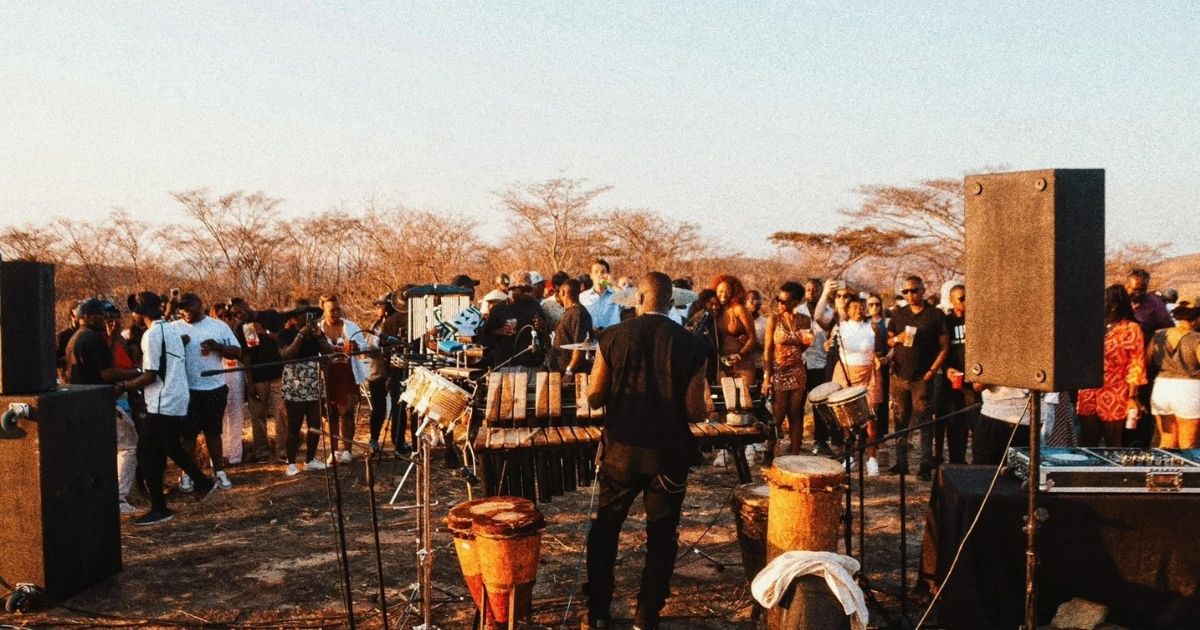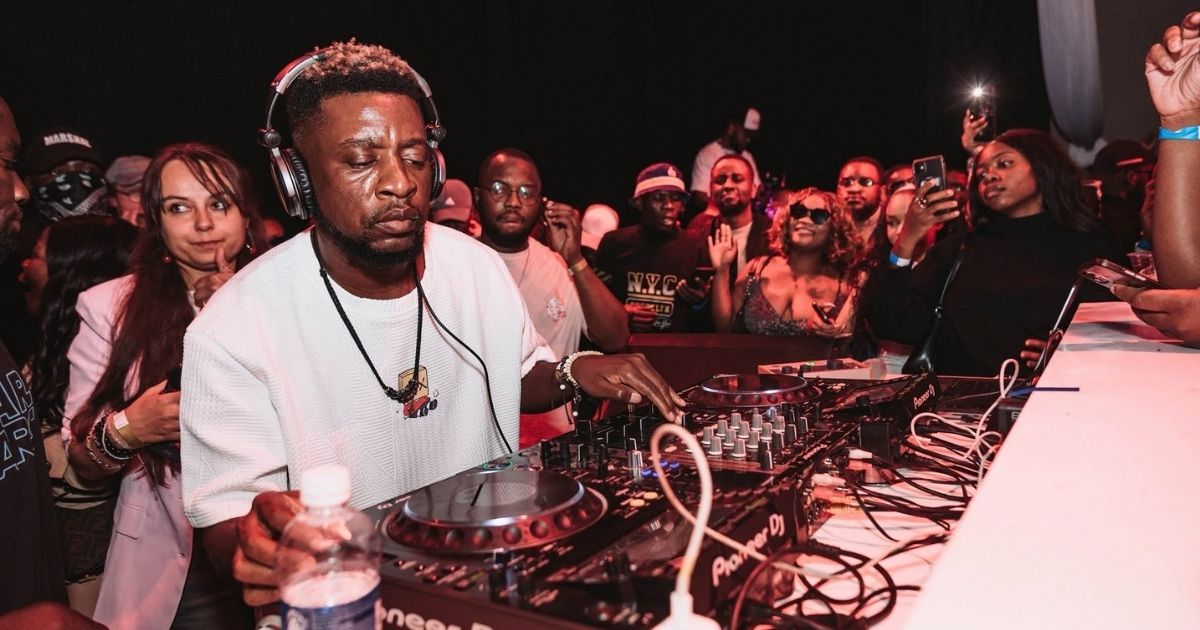
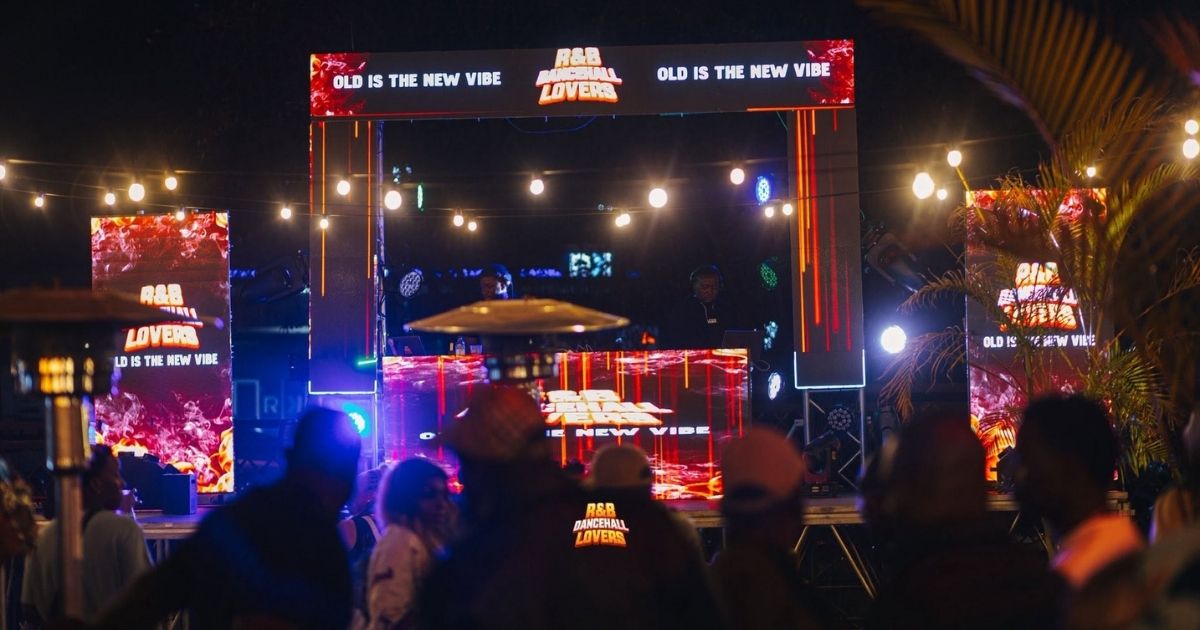
For an event built around nostalgia, R&B Dancehall Lovers has been remarkably good at moving forward.
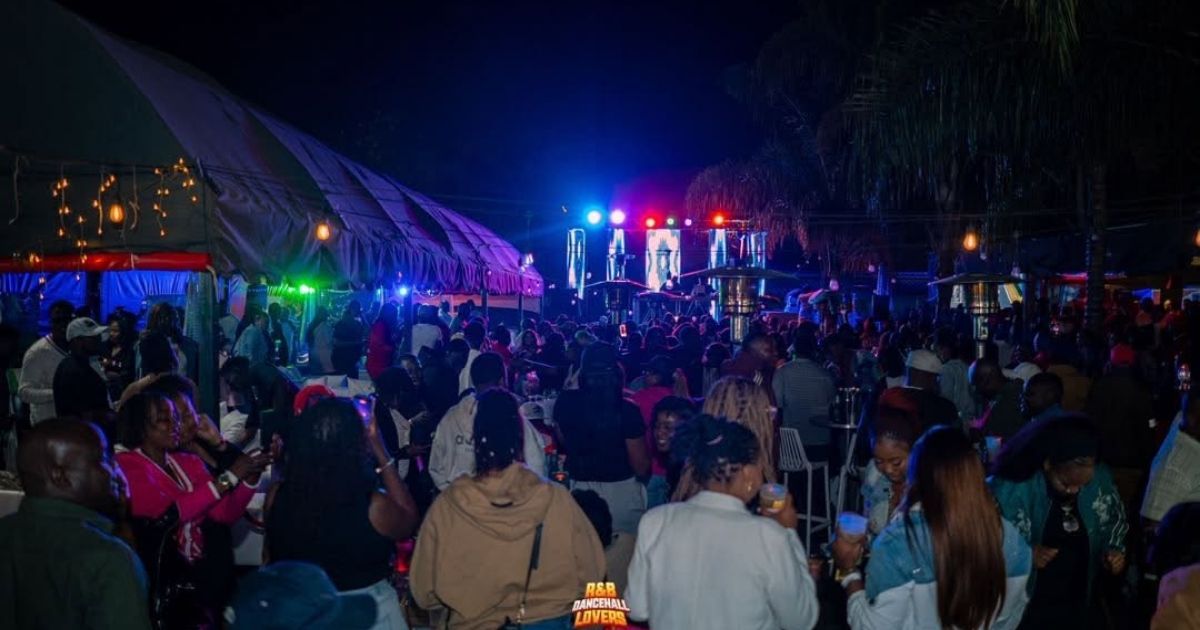
What began as a regular gathering at Bakerloo in Harare has grown into a recognisable fixture on Zimbabwe’s entertainment calendar, attracting audiences with a simple proposition: revisit the music of the 1990s and 2000s, dress for the occasion and spend an afternoon and evening remembering when R&B and dancehall ruled the airwaves.
Now the event is leaving Harare for the first time.
On 29 August 2026, R&B Dancehall Lovers expands to Bulawayo, with the event taking place at Kings Kraal. Advance tickets are already on sale, and the organisers present the expansion as the next step for a brand that has outgrown its original home.
The move is significant not simply because another city has been added to the itinerary. It marks a change in the way the event sees itself.
R&B Dancehall Lovers is no longer just a Bakerloo party.
It is becoming a travelling entertainment brand.
And the organisers have already demonstrated that they are willing to test what that means.
From Bakerloo to Tiger’s Milk
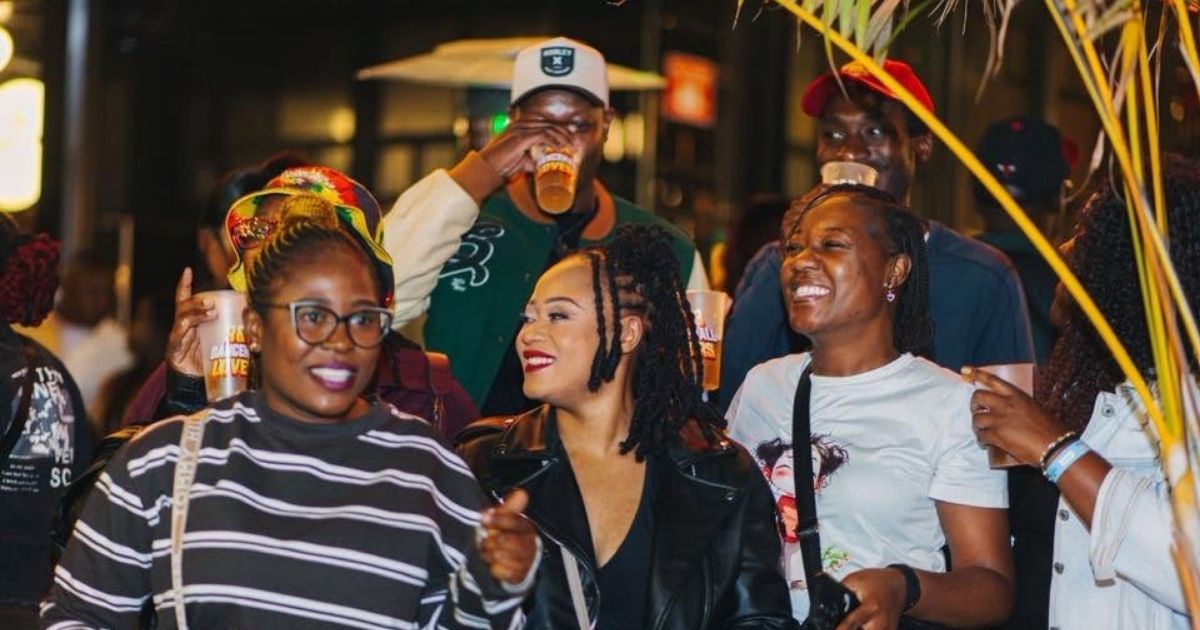
For much of its existence, Bakerloo has been closely associated with R&B Dancehall Lovers.
The Harare restaurant and bar provided the setting in which the event developed its identity, giving regulars a familiar place to return to and allowing the organisers to cultivate a loyal audience around a particular musical era.
But familiarity can become a limitation.
The organisers eventually took the event somewhere very different: Tiger’s Milk, a more upmarket venue that exposed R&B Dancehall Lovers to another section of Harare’s entertainment market.
The decision was not universally understood.
Some people who had come to associate the event with Bakerloo questioned why the organisers would move an established concept away from its traditional home.
The response from the organisers was revealing.
They were not trying to build an event that belonged to one venue.
They were trying to build an event that could belong anywhere.
The Tiger’s Milk edition proved the point.
Rather than diluting the concept, the change of setting demonstrated that the appeal of R&B Dancehall Lovers was not dependent entirely on the room in which it was held.
The music, the nostalgia and the audience could travel.
The success of the Tiger’s Milk edition changed the conversation
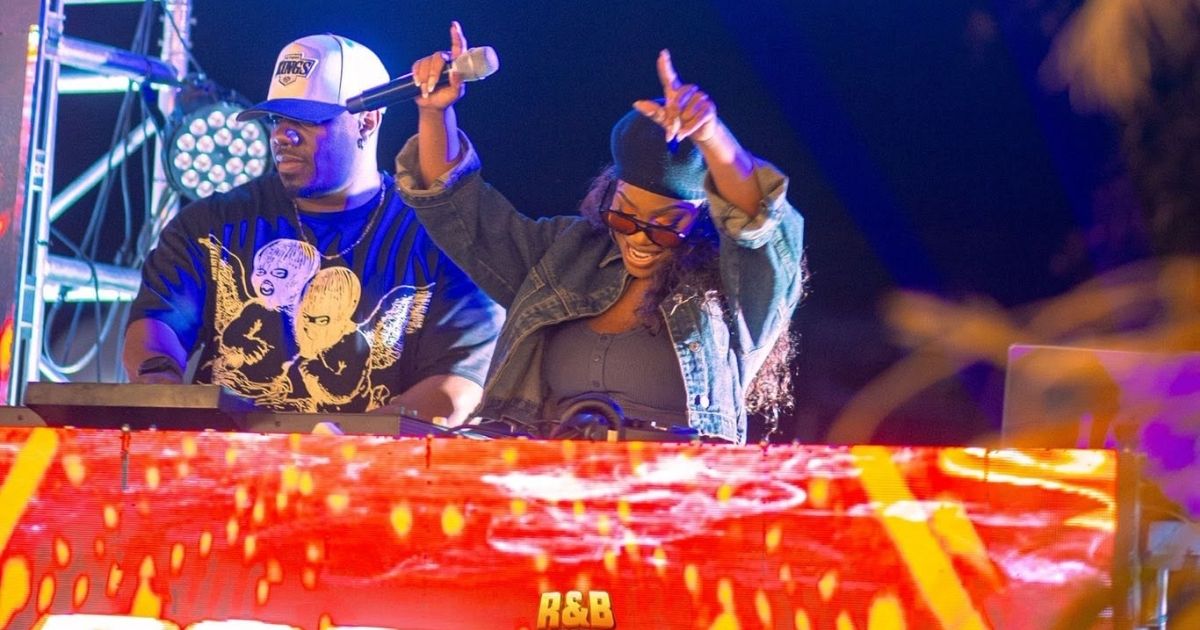
The Tiger’s Milk event became an important moment in the development of R&B Dancehall Lovers.
It demonstrated that the brand could move beyond its established surroundings and attract people in a different part of the city and at a different kind of venue.
It also broadened the perception of what the event could be.
Bakerloo had provided the familiarity. Tiger’s Milk provided the experiment.
Together, the two venues helped establish a useful distinction: R&B Dancehall Lovers is not a venue event. It is an experience.
That distinction matters as the organisers prepare to take it beyond Harare.
Bulawayo is a considerably different market, with its own music culture, nightlife economy and audience.
The decision to stage the event there is therefore more than simply adding another date to the calendar.
It is a test of whether the nostalgia-driven concept that worked in Harare can translate into another major Zimbabwean city.
The organisers clearly believe it can.
Why the 1990s and 2000s still have an audience
The event’s slogan, “Old Is The New Vibe”, captures much of its appeal.
For an audience that grew up with the music of the 1990s and 2000s, R&B and dancehall are not simply genres to be rediscovered.
They are memories.
The period produced an unusually durable soundtrack: slow R&B records, dancehall anthems, reggae-influenced hits and club favourites that have remained part of the musical vocabulary of an entire generation.
There is also something increasingly valuable about an event that does not require its audience to keep up with whatever is currently trending.
At R&B Dancehall Lovers, the point is to go backwards.
The old songs are the attraction.
The familiarity is the attraction.
Even the fashion and atmosphere are part of the nostalgia.
That has allowed the event to occupy a space somewhere between a concert, a club night and a social reunion.
People are not necessarily attending to discover a new artist.
They are going to hear something they already know — and to hear it with hundreds of other people who know it too.
R&B Dancehall Lovers Expands to Bulawayo
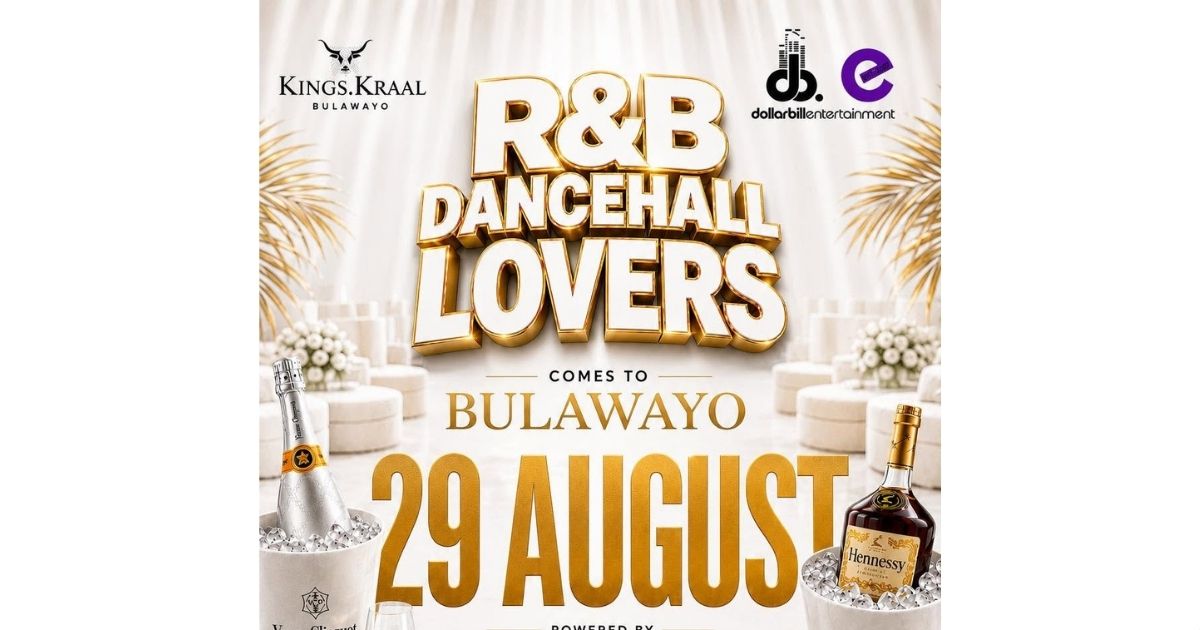
The move to Bulawayo suggests that the organisers have recognised something important about Zimbabwe’s entertainment market.
Audiences are increasingly willing to travel for experiences that feel distinctive.
At the same time, promoters are beginning to look beyond the traditional model in which an event is permanently associated with one venue.
That shift has implications for Zimbabwe’s events industry.
Harare remains the country’s largest entertainment market, but Bulawayo has a substantial and historically influential music audience of its own.
Taking an established Harare concept to Bulawayo allows organisers to test new audiences without abandoning the identity that made the event successful in the first place.
The choice of Kings Kraal also gives the Bulawayo edition a different physical setting from the Bakerloo events.
That matters.
If the organisers are serious about making R&B Dancehall Lovers a multi-city brand, changing venues and cities becomes part of the appeal rather than an obstacle to consistency.
The event can retain its musical identity while changing its surroundings.
Why the organisers are already planning another Harare edition
There is an irony to the expansion.
After the Bulawayo event, the organisers had intended to take a short break.
Instead, audience demand changed those plans.
R&B Dancehall Lovers will return to Harare on 5 September 2026, just a week after the Bulawayo edition.
This time the event returns to its traditional home at Bakerloo, running from 1pm until midnight.
The decision to stage another Harare edition so soon after the Bulawayo debut is perhaps the clearest indication yet of how the event has grown.
An organiser who once might have had to work hard to persuade an audience to return is now having to respond to requests for another edition.
That is a useful problem for an entertainment brand to have.
It also suggests that the expansion has not come at the expense of the event’s original following.
Instead, there appears to be room for both.
Bulawayo gets its first taste of R&B Dancehall Lovers, while Harare’s established audience gets another opportunity to return to Bakerloo.