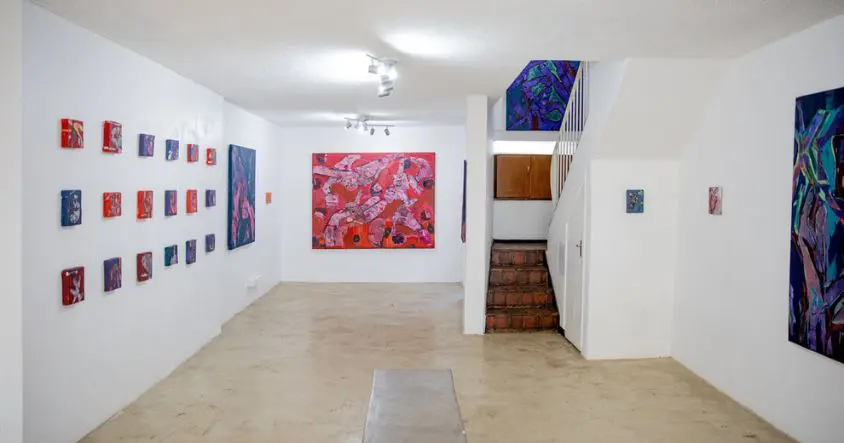
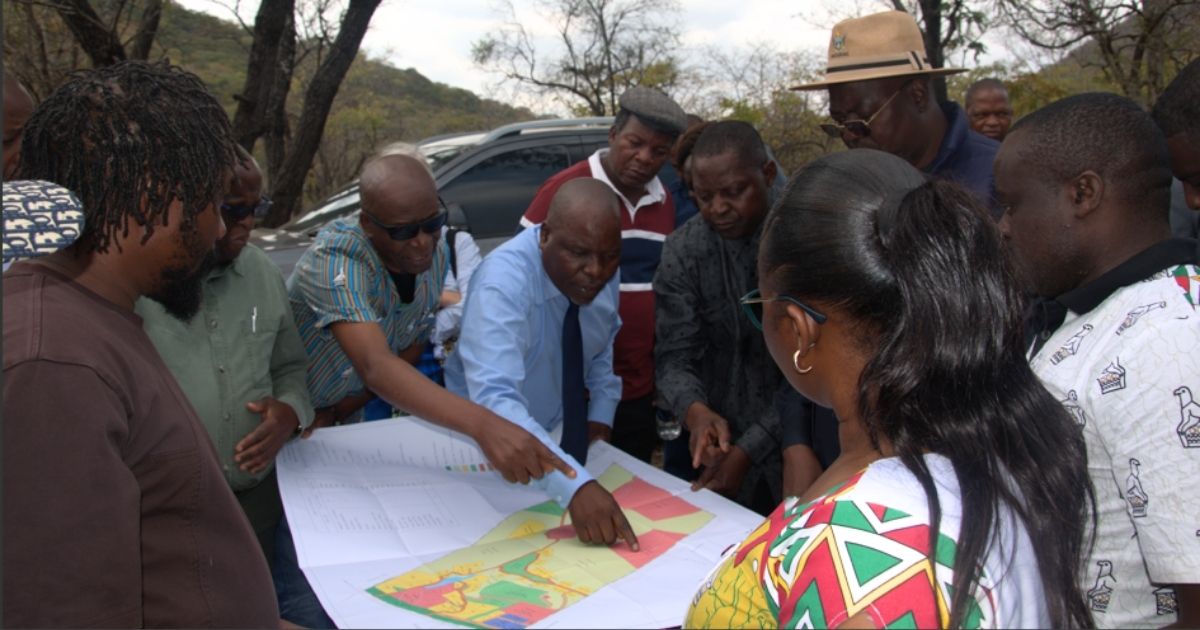
The National Gallery of Zimbabwe (NGZ) has received a bequest of land in Mutare, paving the way for a new branch of the institution in the city.
The gallery previously ran a branch in Mutare from 1999 to 2024 at Kopje House, a converted 19th-century building on Upper Third Street.
Its return will restore a permanent art institution to Manicaland’s provincial capital.
Announcing the development, the Chairman of the NGZ Board of Trustees, Justice (Rtd) Maphios Cheda, said the gift had come as unexpected good news.
“We are thrilled in the way one is thrilled by news too good to have fully expected, the kind of news that makes you want to gather everyone you know and tell them at once,” he said.
A donation described as “no small gift”

The land was donated by the Masamvu and Rogers families. Misheck Masamvu is a prominent artist and the co-founder of Village Unhu.
The Rogers family built and ran Drifters Lodge, a well-known backpacker retreat near Mutare established by Lyn and Ros Rogers.
NGZ chief executive Raphael Chikukwa said the significance of the gesture went beyond the value of the property itself.
“Land, in our context, is never merely soil. It is inheritance. It is the resting place of ancestors, the site of memory, the collateral of a family’s future,” he said.
“When the Masamvus and the Rogers came together to set aside a portion of that inheritance for the Gallery, they were not simply donating property. They were making a statement about what they believe Manicaland, and Zimbabwe, deserve.”
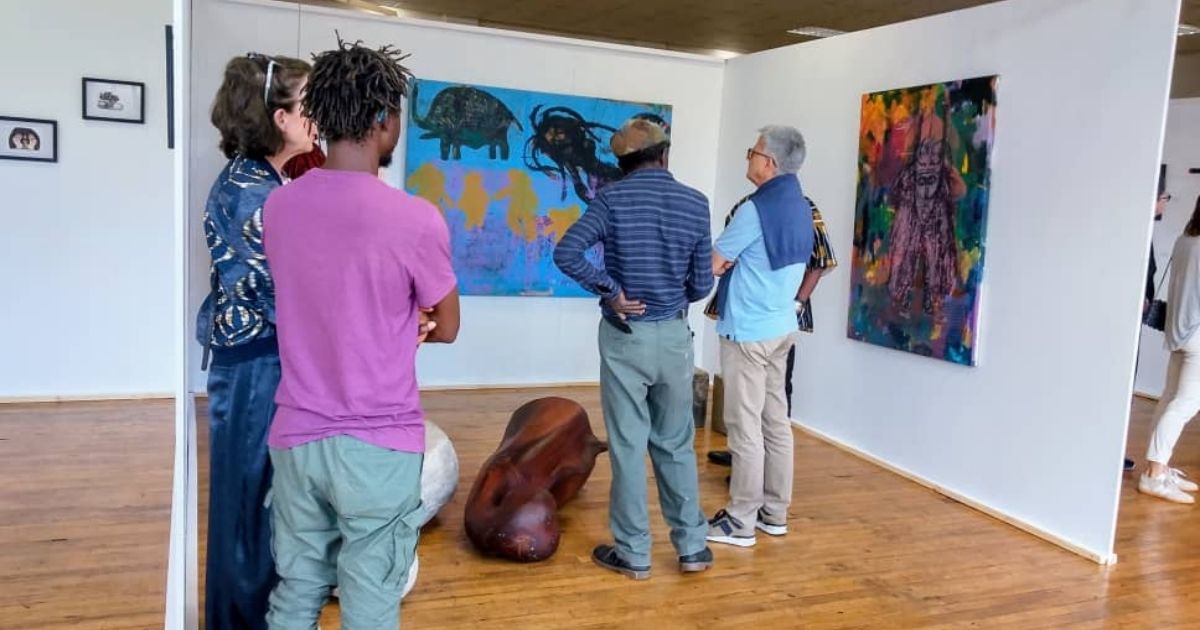
Chikukwa said the gallery viewed itself as a custodian of more than exhibition space, and had committed to building a gallery that Manicaland could regard as unmistakably its own, one that would showcase regional artists and support young talent coming through the province.
Part of a wider decentralisation push
The Mutare branch’s revival fits into a broader government push to extend services and infrastructure beyond Harare and Bulawayo.
The NGZ said the project also responds directly to a challenge laid down by Zimbabwe’s Second Vice President, the Honourable Kembo Mohadi, who had urged the gallery to expand its reach beyond the country’s two largest cities.
Once complete, the new Mutare branch will strengthen the gallery’s provincial footprint, sitting alongside its existing regional galleries in Bulawayo and Victoria Falls, with the Harare gallery remaining its head office.
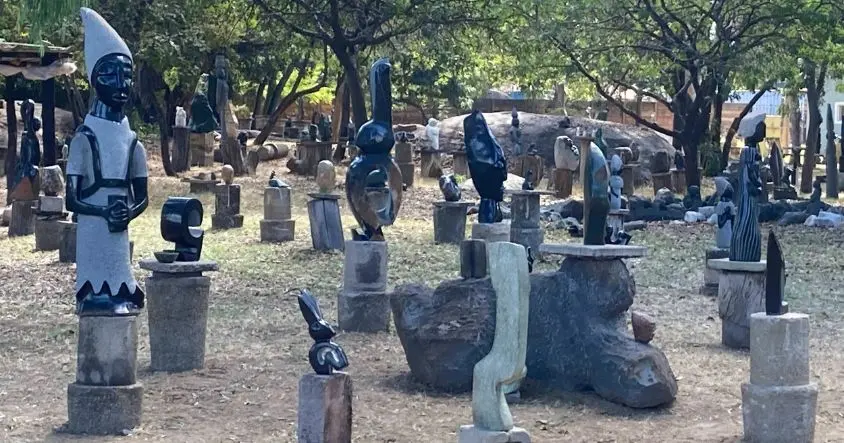
The NGZ was established in 1957 and has long been the country’s principal institution for the conservation and display of Zimbabwean contemporary and modern art.
No timeline has yet been given for construction or an opening date.
Why a gallery matters for a city like Mutare
Mutare sits close to the Eastern Highlands, one of Zimbabwe’s most visited tourism corridors, taking in the Bvumba Mountains, Nyanga and Chimanimani.
A properly resourced art gallery gives visitors already travelling to the region a compelling reason to spend time, and money, in the city itself, rather than simply passing through on the way to the mountains.
A permanent gallery also gives artists working in Manicaland a formal platform they have lacked since the Kopje House branch closed.
Painters, sculptors and craftspeople in the province have historically had to send work to Harare or Bulawayo to reach a national audience.
A local venue changes that, offering exhibition space, mentorship opportunities and a route into the national art market without requiring artists to relocate.
There is an educational dimension too. Galleries in secondary cities typically become venues for school outreach programmes, workshops and artist talks, exposing young people to the visual arts in a way that a distant, capital-city institution cannot replicate.
Over time, that kind of access tends to feed a pipeline of new talent rather than simply exhibiting established names.
There is also a heritage argument. Mutare’s Kopje House, built in 1897 as the city’s first hospital, illustrated how a gallery can give a historic building renewed public purpose.
A new, purpose-built or repurposed home for the NGZ in the city offers a similar opportunity: anchoring a piece of Manicaland’s built heritage to its cultural life, rather than leaving it to stand empty.