
A bitter public dispute has erupted between DJ Ollah 7 and Zimdancehall artist Silent Killer after the musician failed to perform at a December event for which he was paid in advance.
The row has drawn fresh attention to ongoing concerns about professionalism in Zimbabwe’s entertainment industry.
The disagreement centres on a show held on 25 December, when Silent Killer, born Jimmy Mudereri, was expected to perform after requesting a late addition to the line-up.
In a detailed statement shared publicly, DJ Ollah 7 said the artist was not originally booked for the event and was only added after calling on 23 December, two days before the show, asking to be included.
Ollah highlighted that his event budget was already stretched, but with persistent requests from the artist — including the phrase “tipei zviripo mdara basa torova” — he agreed to accommodate him.
Advance payment and broken promises
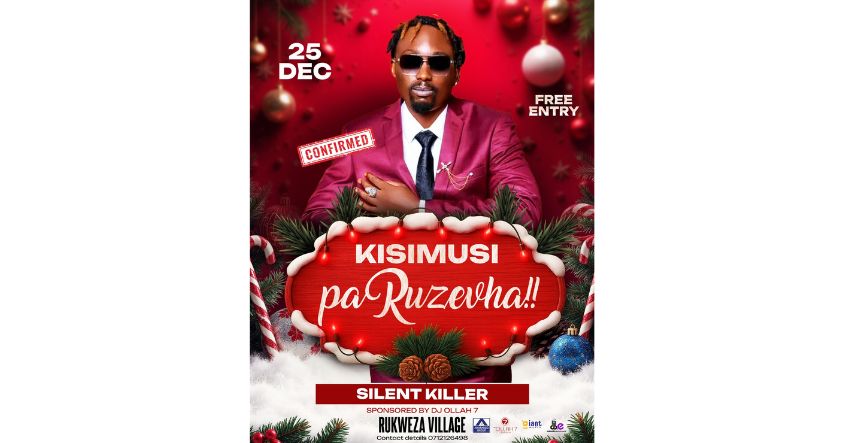
Ollah says he handed Silent Killer US$500 in cash on 23 December as an advance payment, and the artist assured him that he would perform, confirming this on several occasions.
The podcast host later travelled to the rural areas ahead of Christmas, believing all arrangements had been finalised.
However, on the day of the event, communication became increasingly difficult.
A message was later sent requesting fuel money, which was paid via Ecocash by Silent Killer’s former manager, General Ovi.
After receiving the fuel money, the Zimdancehall superstar and his associates switched off their phones until the following day.
Failed attempts to recover the money
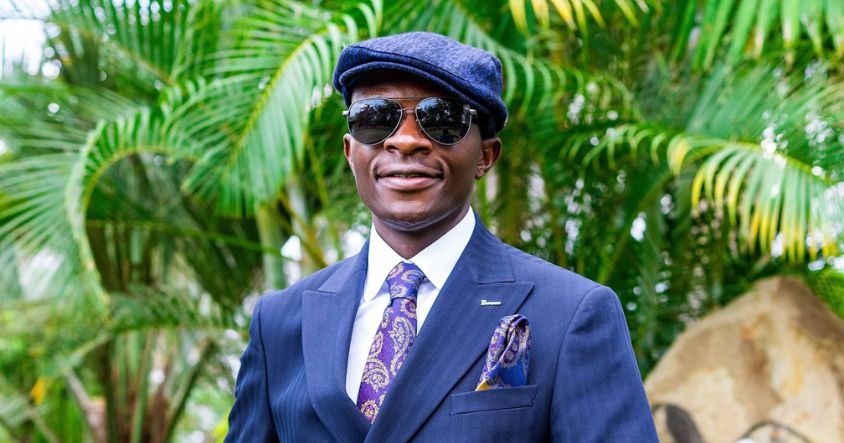
After returning from the village, DJ Ollah 7 says he tried to meet Silent Killer to resolve the matter privately, and according to his account, the artist gave repeated excuses, avoiding meeting in person.
He then demanded a refund of the US$500, arguing that the money could have been used to pay another performer or cover other event costs.
“He asked to perform last minute, I understood his situation and paid him,” DJ Ollah 7 said. “If he was not coming, the right thing was to return the money.”
He says there was no further communication after that point.
Police report filed
With no refund and no explanation, Ollah reported the matter to the Zimbabwe Republic Police, adding that he recorded all conversations related to the transaction, both over the phone and in person.
“I am not a promoter,” he said. “I only agreed to help him because he asked. He got the money, he got fuel, and he did not perform.”
Claims of another missed show
Ollah also alleged that the incident was not isolated, claiming that on 27 December, Silent Killer was scheduled to perform at another event in Bulawayo organised by Chipaz.
The artist is said to have been paid US$1,500 cash in advance and later received an additional US$100 for fuel. Despite this, he says Silent Killer did not attend the Bulawayo show either.
The organiser allegedly contacted Ollah while in a distressed state, saying he was also struggling to reach the artist.
A history of controversy
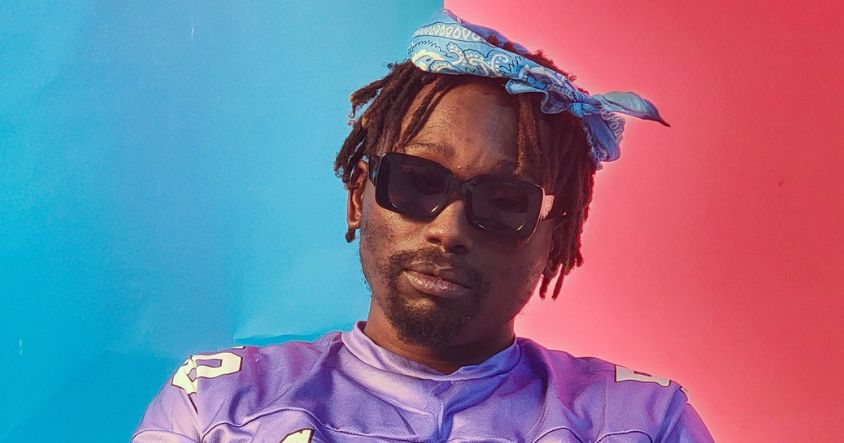
The latest claims have revived debate around Silent Killer’s reputation, following several past disputes involving missed performances and payment disagreements, both locally and abroad.
Earlier in 2025, the artist was involved in a high-profile international dispute after failing to attend a major UK festival, an incident that raised concerns about the global image of Zimbabwean artists.
The artist has previously denied wrongdoing in similar cases, often blaming payment issues or poor treatment by organisers.
He has also accused promoters of misrepresenting agreements and failing to meet obligations.
Industry reaction
The DJ Ollah 7 dispute has reignited calls for clearer contracts and stronger professional standards in Zimbabwe’s entertainment sector.
Promoters say repeated no-shows damage trust and lead to financial losses, while artists argue that informal arrangements and poor communication often contribute to misunderstandings.
As police investigations continue, the case has highlighted a central question raised by DJ Ollah 7: if an artist requests to perform, accepts payment and fails to show up without refunding the money, should that not be treated as fraud?
For now, the dispute stands as another reminder of the fragile balance between opportunity and accountability in Zimbabwe’s fast-growing music industry.