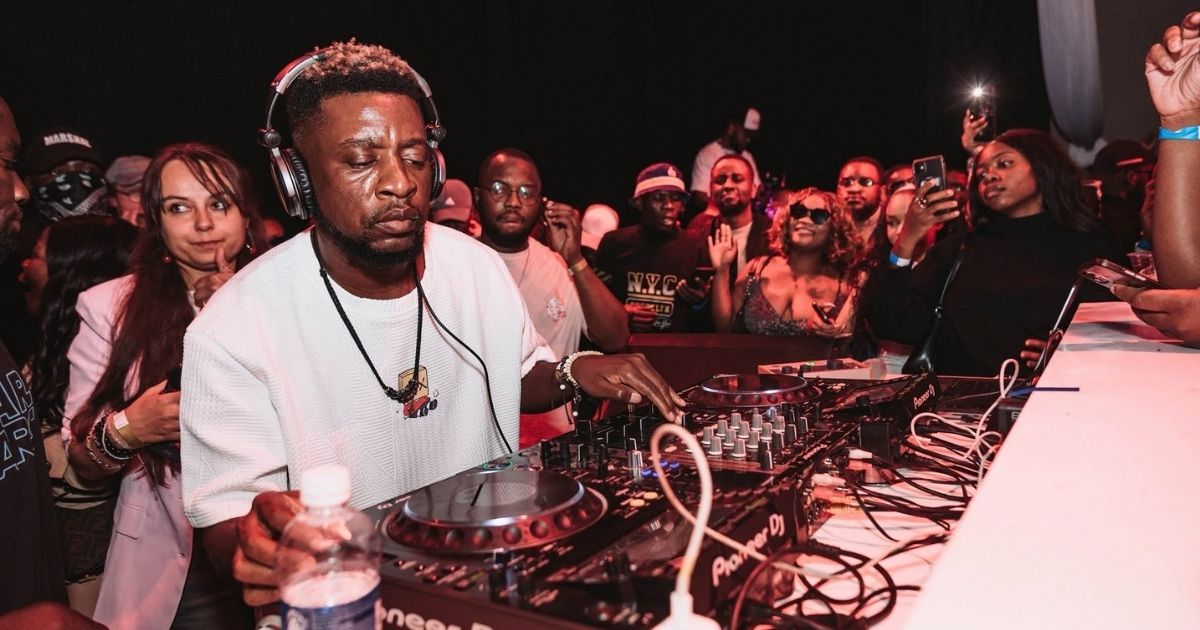
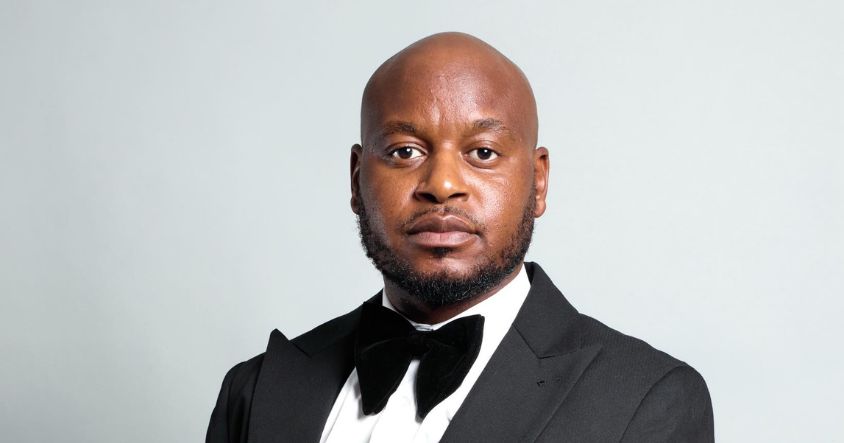
Musician Alexio Gwenzi, also known as Goodchild, has been elected as the new chairperson of the Zimbabwe Music Rights Association (Zimura) board, taking over leadership of the embattled organisation at a time of growing internal divisions.
The vote was held on Monday at Zimura’s head offices in Harare, during a meeting that reportedly stretched close to six hours.
Gwenzi secured four votes, comfortably ahead of fellow board member First Batani, who received one vote and was subsequently named vice chairperson in line with the association’s constitution.
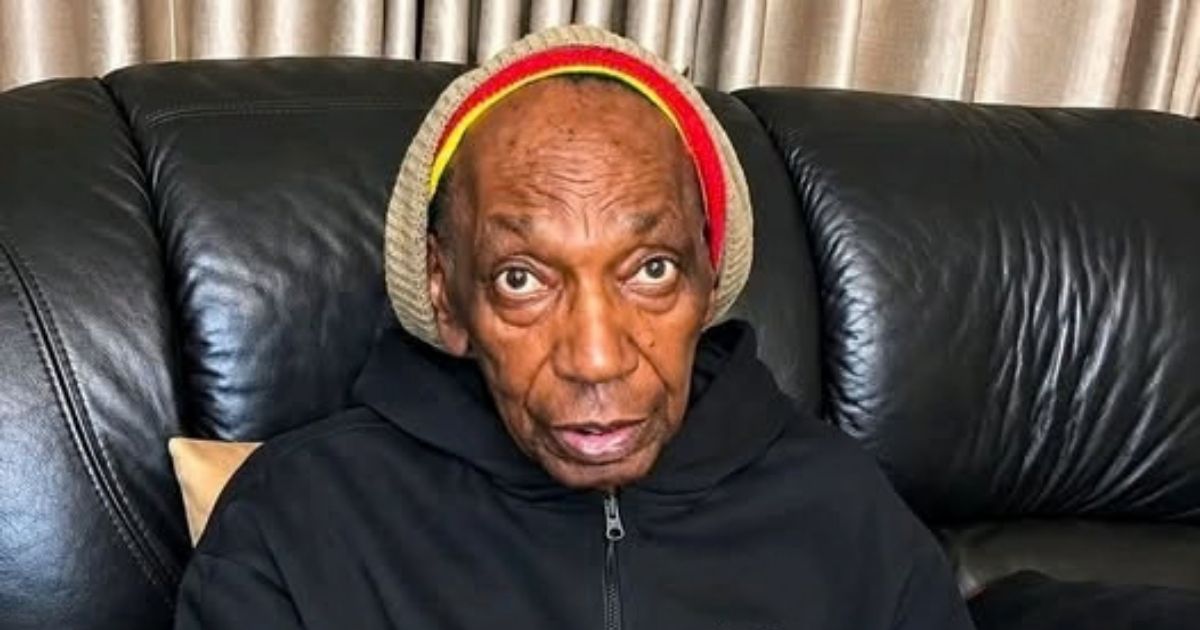
The new Zimura board chair replaces veteran poet and cultural figure Albert Nyathi, who stepped aside after choosing not to contest the board elections held in October last year.
A board elected by a reduced quorum

Only five of the eight board members were present to cast their votes, after three members failed to attend the meeting for reasons that were not immediately disclosed.
Their absence proved decisive, allowing the attending members to determine the leadership of the board.
The current Zimura board includes ICT Deputy Minister Dingumuzi Phuti, Gwenzi, Batani, Dereck Mpofu, Gift Amuli, Joseph Garakara, Chiedza Shoniwa and Evelyn Natsai Moyo.
However, the legitimacy and unity of the board have come under fresh scrutiny following a separate press conference held on Monday by three board members who were not part of Monday’s election meeting.
Parallel press conference deepens uncertainty

At that briefing, the three board members raised concerns about governance processes within Zimura, reflecting ongoing disagreements that have been publicised in recent months.
While they stopped short of directly rejecting the outcome of the chairperson’s election, their decision to address the media independently highlighted fractures within the board.
Zimura has been at the centre of sustained controversy, with musicians and rights holders repeatedly raising questions around transparency, royalty distribution and internal accountability.
The competing narratives from within the board risk prolonging uncertainty for artists who depend on the organisation for the protection and monetisation of their intellectual property.
‘A critical turning point’
Speaking after his election, Gwenzi described his appointment as both an honour and a responsibility, acknowledging the fragile state of the organisation.
“I am deeply honoured to have been elected as the new Zimura board chairperson,” he said. “To have the confidence of my colleagues is truly humbling. We are now at a critical turning point.”
He said restoring trust among Zimura members would be a priority, particularly in an environment where disputes have increasingly played out on social media.
“Our primary mission is to restore trust among our members and counter the misinformation that has sought to divide us,” Gwenzi said, urging unity within the board and among rights holders.
Alexio Gwenzi calls for unity amid divisions
Gwenzi also appealed to artists to remain focused on Zimura’s core mandate of economic empowerment, warning that public disputes risk undermining the collective interests of musicians.
“I call upon my fellow board members to remain steadfast in our mandate to economically empower our creatives,” he said. “To our members, I ask for your vigilance, not to be swayed by social media narratives designed to tarnish our collective work.”
What happens next for Zimura?
With rival press briefings and unresolved disagreements among board members, Gwenzi’s leadership is likely to be tested from the outset.
Industry observers say his immediate challenge will be to stabilise the board, re-engage disgruntled stakeholders and provide clarity on governance at an organisation that plays a central role in Zimbabwe’s music industry.
Whether the new chairperson can unify a divided board and rebuild confidence among artists remains to be seen.
For now, Zimura enters another chapter marked by both a change in leadership and continued uncertainty.