ZIMURA Elections
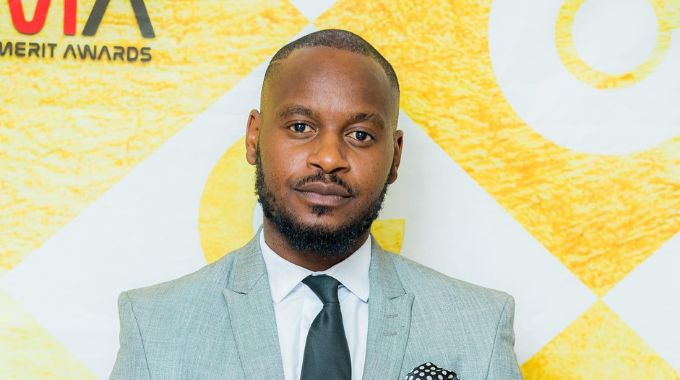
Musician and composer Alexio “Goodchild” Gwenzi has urged fellow artists to vote for change and accountability as the Zimbabwe Music Rights Association (ZIMURA) heads into board elections scheduled for Wednesday, 22 October 2025.
In a statement to members, Gwenzi, who has served on the board since 2022, criticised what he described as “insulting” royalty payments to artists and promised to push for fairer, more transparent systems if re-elected.
“Our current royalties are an insult to our hard work and talent,” Gwenzi said.
“Since joining the ZIMURA board in 2022, I have not just sat, I’ve fought for change consistently — and together, we made sure our royalties are now paid in USD. That was just the first step. Now, it’s time to go further.”
Gwenzi outlined three key priorities: the introduction of a fair and transparent royalty system, regular reviews of rates to reflect the real value of music, and digital tracking systems to improve accountability within the organisation.
He also appealed to artists, particularly younger and more popular musicians, to actively participate in next week’s Annual General Meeting (AGM), stating that low turnout has allowed entrenched interests to dominate the institution.
“If they do not come, it means those present will vote for their friend, and these people might not be the right people for the positions.
“People must then not complain about paltry royalties if they do not actively participate.”
ZIMURA: A Powerful but Contested Institution

Founded in 1982, ZIMURA is a collective management organisation responsible for collecting and distributing royalties on behalf of composers, authors, and music publishers.
It plays a critical role in ensuring that musicians receive payment when their works are broadcast, performed or reproduced.
However, in recent years, the organisation has faced increasing criticism over its governance and transparency.
Several musicians have accused ZIMURA of mismanagement of funds, delayed or inadequate royalty payments, and a lack of clarity in how collections are distributed.
Previous AGMs have often been marred by disputes over voting processes and questions around the leadership’s accountability.
In 2023, concerns were raised after artists claimed to have received as little as US$10 in royalty payouts despite their songs enjoying frequent airplay on radio stations and streaming platforms.
Gwenzi’s push for digital royalty tracking comes amid growing pressure from the industry for ZIMURA to modernise its systems, align with international standards, and address allegations of internal inefficiencies.
Pivotal ZIMURA Elections
The upcoming board elections are seen as a critical moment for the organisation.
Several candidates, including established musicians, are vying for seats on the board, promising reforms that could reshape the future of Zimbabwe’s music industry.
Gwenzi, who has built a reputation as both a performer and a vocal advocate for artists’ rights, is positioning himself as a candidate of “progress, not promises.”
“Our music deserves real money, real respect, and real impact,” he said.
“Let’s vote for people who genuinely care about musicians’ welfare.”
Artists Urged to Participate
ZIMURA elections have historically suffered from low turnout, particularly from younger and high-profile musicians.
Gwenzi stressed the importance of participation, warning that apathy could keep the organisation under the control of individuals resistant to change.
As the AGM approaches, members are expected to cast votes for new board representatives who will serve a term, reshaping the future direction of Zimbabwe’s music rights.