Thomas Mapfumo Accepts Wicknell Chivayo’s US$1 Million Offer
The debate that has dominated Zimbabwe’s entertainment landscape for weeks has finally been settled.
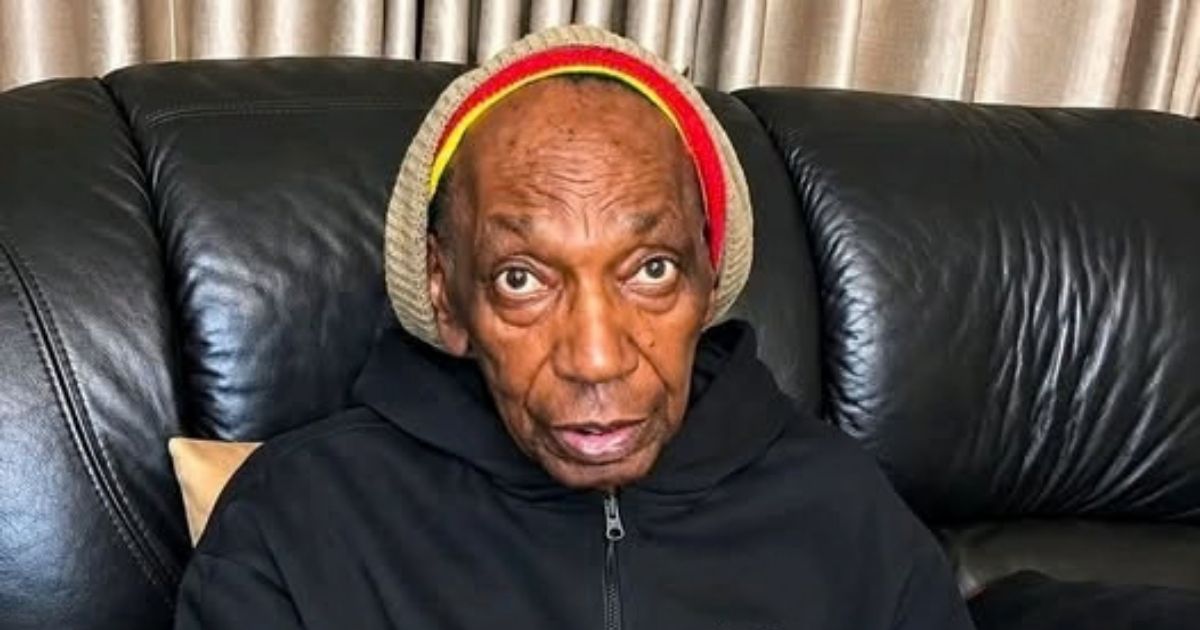
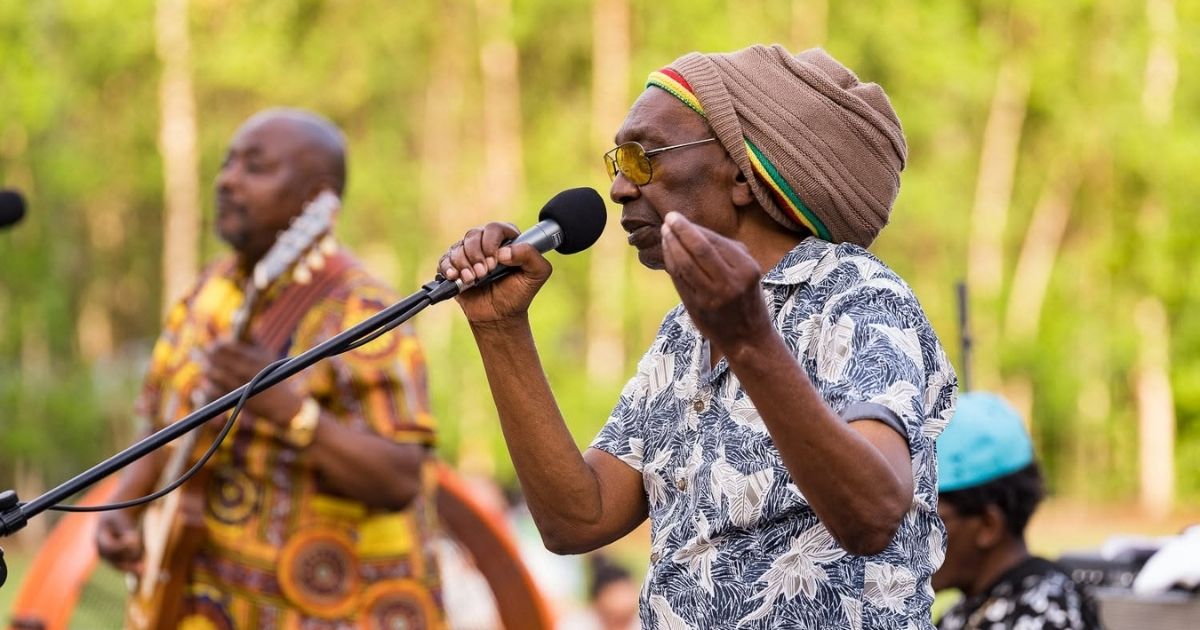
Chimurenga music legend Thomas “Mukanya” Mapfumo has confirmed that he will return to Zimbabwe from his base in the United States after accepting a US$1 million performance deal offered by businessman Sir Wicknell Chivayo.
The announcement, made through a video shared by Chivayo on Monday, has instantly become one of Zimbabwe’s biggest entertainment stories of 2026, igniting fierce discussion across X (formerly Twitter), Facebook and countless WhatsApp groups.
For many, the headline is not simply about the money. It is about what the decision represents.
Two years ago, Mapfumo publicly rejected a lavish package from Chivayo, saying he could not accept what he described as “dirty money.”
Today, however, the Chimurenga icon says this is something entirely different.
“Ndati ndikuudzei kuti ndirikuuya, ndezvebasa izvi.”
Translated, the statement means:
“I just wanted to let you know that I’m coming. This is about work.”
With those few words, Mapfumo attempted to redefine one of the most politically sensitive conversations Zimbabwe’s entertainment industry has witnessed in recent years.
The US$1 Million Deal Explained
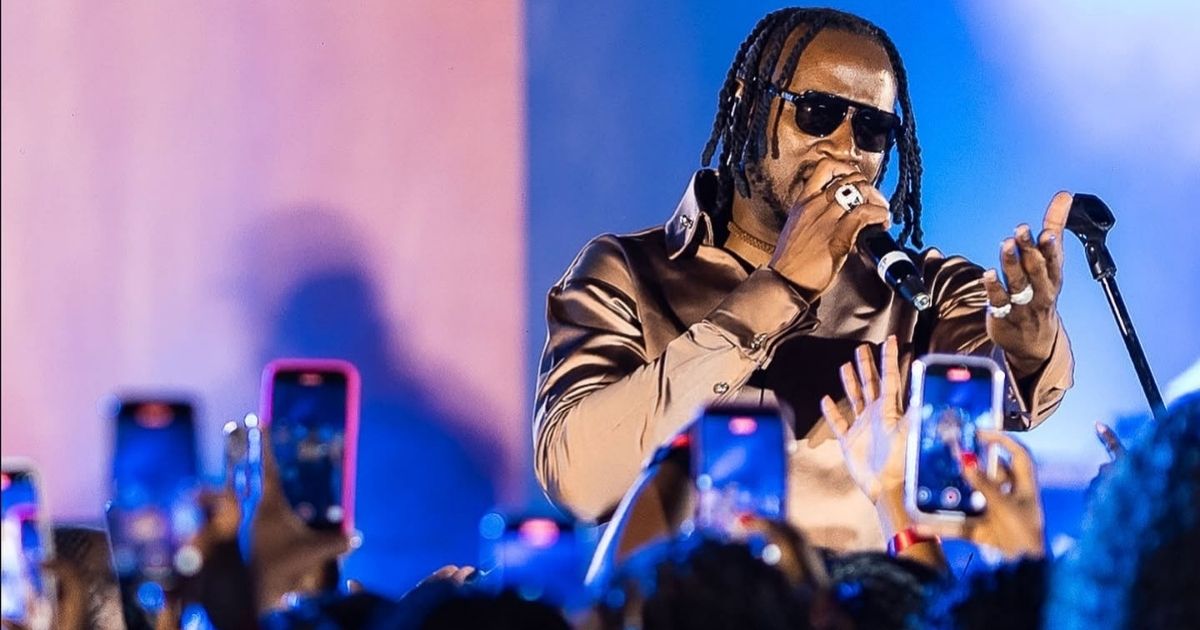
The offer first emerged during Jah Prayzah‘s 39th birthday celebrations on July 4, 2026.
After presenting the award-winning musician with a 2026 Ford Ranger Platinum together with US$250,000 in cash, Chivayo made another announcement that immediately captured national attention.
He publicly offered Thomas Mapfumo:
- US$500,000 to perform at Jah Prayzah’s rumoured wedding later this year.
- US$500,000 to headline celebrations at Chivayo’s own birthday event in November.
The combined package amounts to US$1 million, believed to be the largest performance fee ever offered to a Zimbabwean musician for two appearances.
Following weeks of speculation, Mapfumo has now confirmed he will honour the invitation and travel to Zimbabwe.
Should the agreement proceed as announced, it would mark one of the biggest commercial deals in the country’s music history.
A Historic Return to Zimbabwe
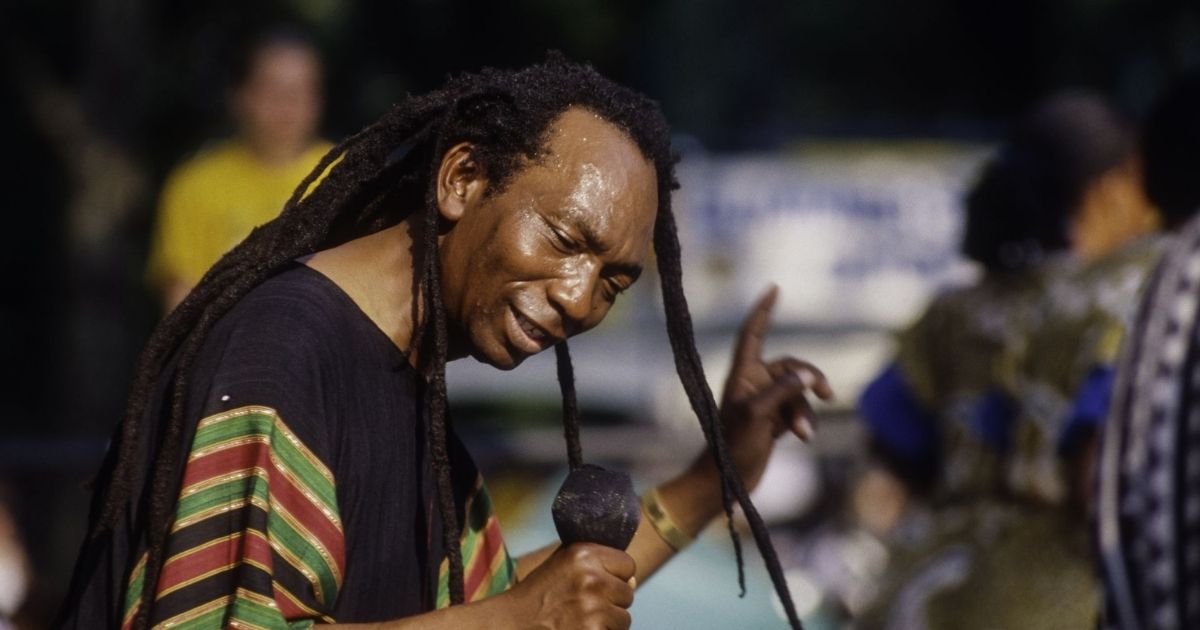
Beyond the money, the announcement carries enormous significance because it signals another return home for one of Zimbabwe’s most influential musical figures.
Mapfumo, whose career spans more than five decades, has lived in the United States for many years while continuing to perform internationally.
Known as the creator and global ambassador of Chimurenga music, his songs have long blended traditional Zimbabwean rhythms with lyrics addressing freedom, governance, social justice and everyday life.
Classics including “Corruption”, “Mamvemve”, “Pfumvu Paruzevha”, “Hokoyo” and “Nyarai” have earned him generations of loyal supporters.
His performances in Zimbabwe remain relatively rare, making every announcement surrounding his return a major national event.
The Jah Prayzah Connection
Another reason the story has attracted enormous public attention is the relationship between Mapfumo and contemporary superstar Jah Prayzah.
Speaking in the confirmation video, Mapfumo referred to Jah Prayzah warmly, describing him as someone he considers “like a son.”
That statement has been widely welcomed by fans who have long admired the mutual respect between Zimbabwe’s biggest musical generations.
While Jah Prayzah represents the modern era of Zimbabwean music, Mapfumo remains one of its most enduring cultural icons.
The possibility of seeing both artists associated with the same celebrations has generated excitement across the country’s entertainment sector.
Why This Time Is Different
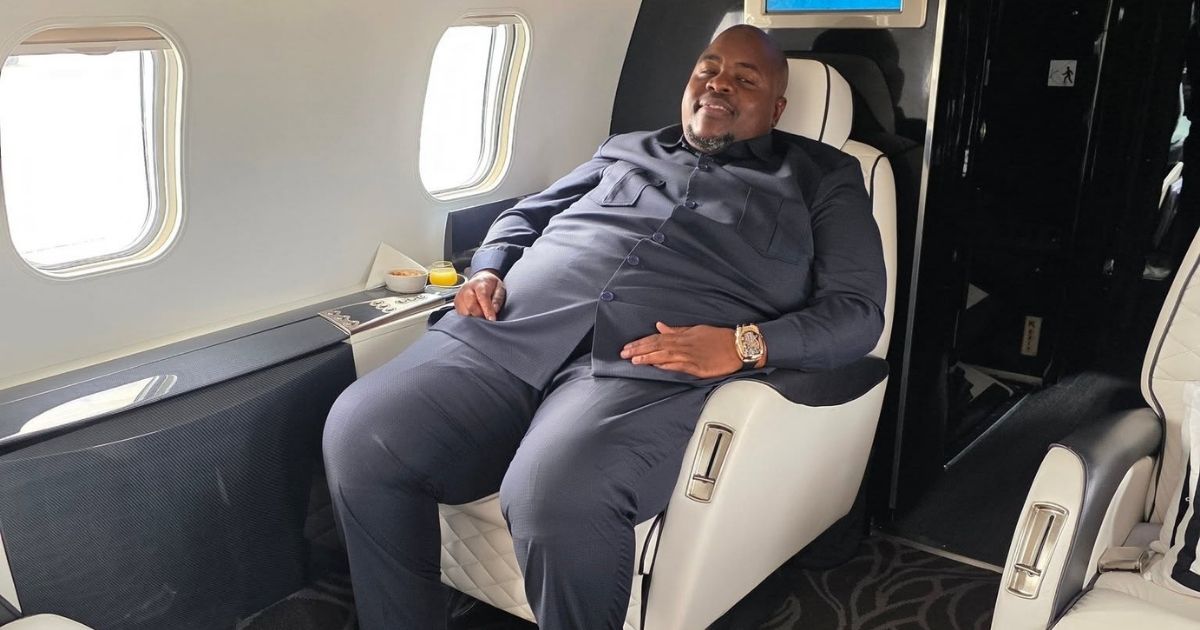
The biggest question surrounding the announcement is simple.
Why accept Chivayo’s money now after rejecting it before?
To understand why Zimbabweans are debating the decision so intensely, it is necessary to revisit what happened in 2024.
At the time, Chivayo publicly offered Mapfumo a package reportedly worth US$500,000, consisting of a luxury vehicle, a house and cash.
Mapfumo declined.
His decision was widely interpreted as a principled stand, with the veteran musician saying he could not accept what he viewed as “dirty money.”
That refusal strengthened his image among supporters who saw him as remaining consistent with the messages contained in many of his songs.
Fast forward to 2026, and the circumstances are different.
Rather than receiving gifts, Mapfumo insists he is simply being paid for professional services.
His repeated emphasis that “Ndezvebasa izvi” — “This is work” — appears designed to distinguish the current arrangement from the rejected 2024 offer.
Supporters argue there is a clear difference between accepting gifts and charging a professional fee for performances.
Critics, however, question whether the distinction changes the broader symbolism surrounding the transaction.
The Biggest Talking Point in Zimbabwe
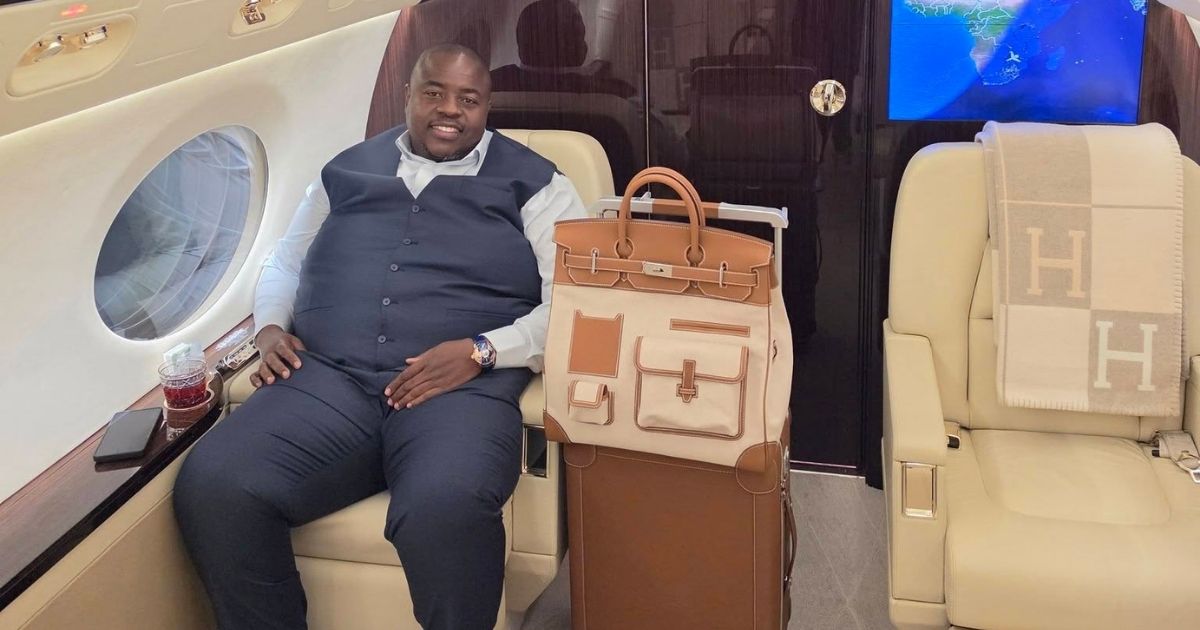
Few entertainment stories have divided Zimbabwean opinion quite like this one.
Across social media, thousands of Zimbabweans have shared contrasting views.
One group believes Mapfumo deserves to benefit financially from a lifetime spent building Zimbabwe’s musical heritage.
Many supporters have adopted the now-viral phrase:
“Mudhara ngaatore bag.”
The expression broadly suggests that the veteran musician has earned the right to accept a lucrative payday after decades of contribution to the country’s culture.
Others argue that artists should not be criticised for accepting payment for their work, regardless of who is paying.
Another section of the public sees the matter differently.
For critics, the debate is less about money than symbolism.
They point to Mapfumo’s long-standing reputation as a fearless social commentator whose music frequently challenged corruption, inequality and political authority.
Some therefore question whether accepting such a high-profile payment from one of Zimbabwe’s most controversial businessmen risks creating contradictions between the artist’s public image and his actions.
The debate has become one of the country’s most discussed topics online, extending far beyond entertainment circles.
The Highest-Paid Performance in Zimbabwean Music?
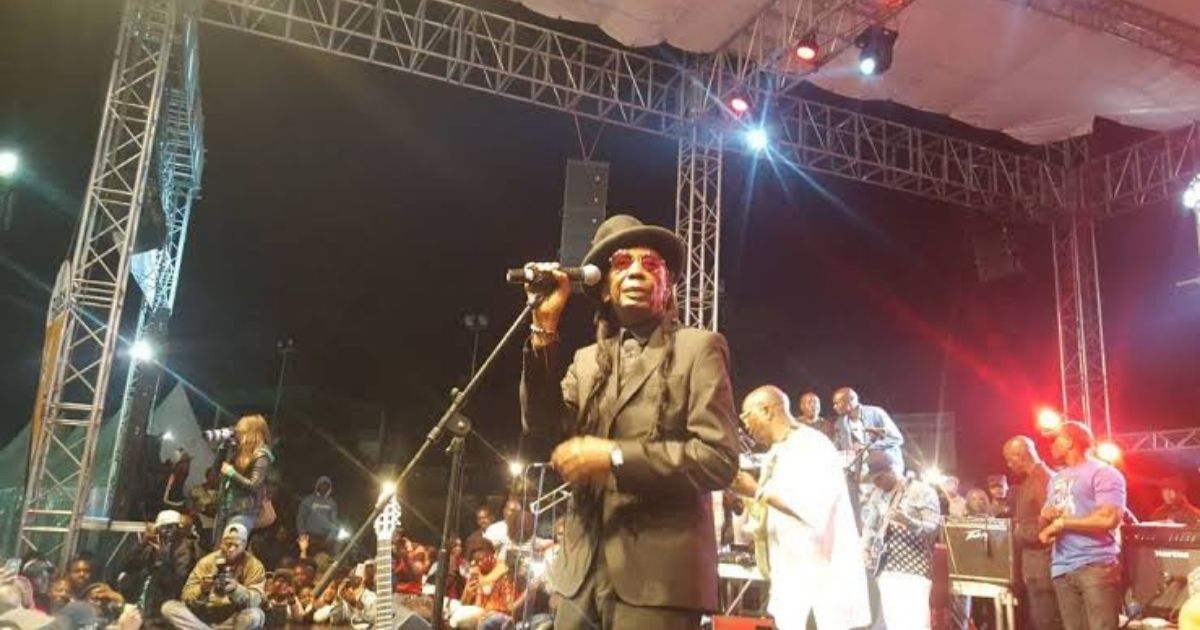
Although Zimbabwean artists have previously secured substantial performance fees, the reported US$1 million package would place Mapfumo in unprecedented territory.
If fully honoured, the arrangement would likely represent the largest publicly announced performance deal involving a Zimbabwean musician.
It also reflects the growing commercial value attached to major entertainment events featuring nationally recognised artists.
Industry observers say such deals could reshape expectations around artist bookings, particularly for musicians with iconic status and international appeal.
What Happens Next?
Attention now turns to the two performances expected later this year.
The first is expected to take place in August, when Mapfumo is scheduled to perform at Jah Prayzah’s anticipated wedding celebrations.
The second is planned for November as part of Chivayo’s birthday festivities.
Fans will also be watching closely to see whether Mapfumo uses the opportunity to perform some of the politically charged songs that have defined his career for decades.
What This Means for Thomas Mapfumo’s Legacy
For many Zimbabweans, this story goes beyond concerts or payment.
It touches on questions of principle, legacy and how legendary artists navigate changing circumstances later in their careers.
Mapfumo has attempted to answer those questions by presenting the arrangement as a straightforward commercial agreement.
His position is clear.
This is not a gift.
It is payment for professional work.
Whether that distinction convinces the broader public remains to be seen.
What is certain is that the announcement has reignited debate about the relationship between politics, business and Zimbabwe’s cultural icons.
For now, one thing is beyond dispute.
Thomas Mapfumo is coming home.
And Zimbabwe will be watching.
Final Thoughts
The confirmation of Thomas Mapfumo’s return has become one of the defining entertainment stories of 2026.
While some celebrate the Chimurenga legend securing what is believed to be the biggest performance payday in Zimbabwean music history, others continue to debate what the decision means for one of Africa’s most influential artists.
As anticipation builds towards the August and November performances, attention will not only be on the music but also on the wider conversation surrounding legacy, principle and the changing relationship between artists and powerful patrons.