Zimbabwe Concerts Drop South African Acts
A wave of anti-immigrant violence sweeping South Africa has crossed the border in an unexpected way. It is emptying concert bills of South African stars.
In the space of a fortnight, two major South African acts quietly vanished from Zimbabwean festival posters, a third has become the subject of mounting boycott calls, and a South African actress has had her appearance at a Zimbabwean diaspora festival abroad scrapped altogether.
None of this is a coincidence. It is the direct fallout of a xenophobic crisis that has killed migrants, displaced thousands and strained relations between neighbours to breaking point.
Why Zimbabweans Are Turning on South African Artists
The unrest driving this backlash has been building since April 2026, when anti-immigration movements, among them Operation Dudula and March and March, began organising marches across South Africa demanding the removal of undocumented foreigners.
The groups set an unofficial deadline of 30 June for foreign nationals to leave the country.
What followed was ugly. Roughly 55 shacks were torched in an informal settlement near Mossel Bay in late May, killing at least two people.
A Malawian man was reportedly beaten to death by a mob in Pietermaritzburg.
Foreign-owned shops were attacked in Durban, Johannesburg and Pretoria. By late June, South Africa’s Border Management Authority reported that more than 13,000 foreign nationals, including roughly 3,000 Zimbabweans, had been voluntarily repatriated or deported within a fortnight, while hundreds more Zimbabweans camped outside their country’s consulates in Cape Town and Johannesburg awaiting evacuation.
Presidential spokesperson George Charamba said more than 3,600 Zimbabweans had been repatriated as the crisis unfolded.
This is not South Africa’s first reckoning with xenophobic violence.
Nationwide attacks in 2008 killed 62 people, including five Zimbabweans, and researchers at the University of the Witwatersrand’s Xenowatch project estimate that more than 430 people have died in xenophobic incidents in South Africa since then.
The 2022 mob killing of Zimbabwean Elvis Nyathi in Diepsloot remains a painful reference point for many.
What is different this time is the speed and intensity of the public response back home, and the fact that it has landed squarely on the entertainment industry.
South Africa’s own Justice Minister, Mmamoloko Kubayi, has acknowledged the reputational cost, noting that the unrest has already cost South African performers bookings across the continent.
President Cyril Ramaphosa has condemned the violence while also defending stricter enforcement against illegal immigration, saying it places real strain on public services.
Mafikizolo Dropped From Buddie Beatz in Victoria Falls
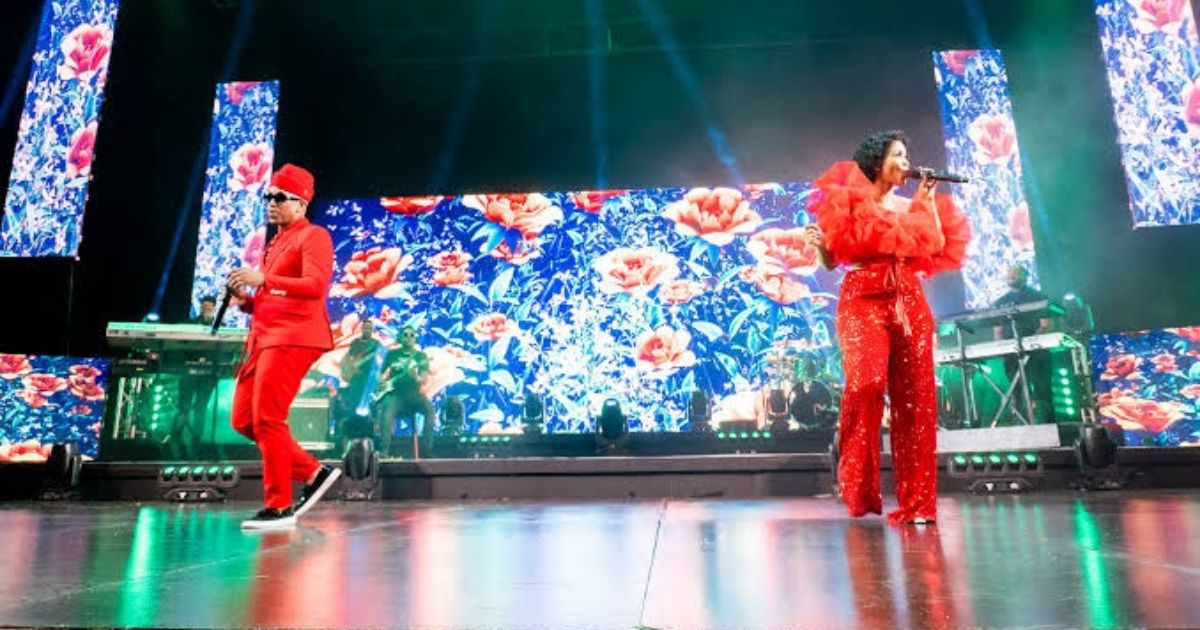
The first high-profile casualty was Mafikizolo. The veteran Afro-pop duo had been billed to headline Econet Wireless Zimbabwe’s Buddie Beatz Concert, part of the Econet Victoria Falls Marathon weekend on 5 July.
The backlash began almost as soon as the booking was announced. Zimbabwean musician Bruce Ncube published an open letter to the duo, arguing that the timing amounted to a betrayal. “It feels wrong, it’s betrayal, it’s bad timing,” he wrote, urging Mafikizolo to stand with Zimbabweans instead.
Felistus “Mai TT” Murata also publicly called for the show to be scrapped.
Opposition figure Fadzayi Mahere described the booking as “a gross failure to read the room,” pointing to Zimbabweans “squatting in the rain” across the border.
By 30 June, Econet had quietly updated its promotional material. Mafikizolo’s name and image disappeared from the lineup, replaced by an all-Zimbabwean bill featuring Winky D, Killer T and Flying Bantu. Neither Econet nor the duo issued a public statement explaining the change, but the timing left little doubt about the cause.
Musa Keys Axed From the Mighty Zambezi Bonfire Festival
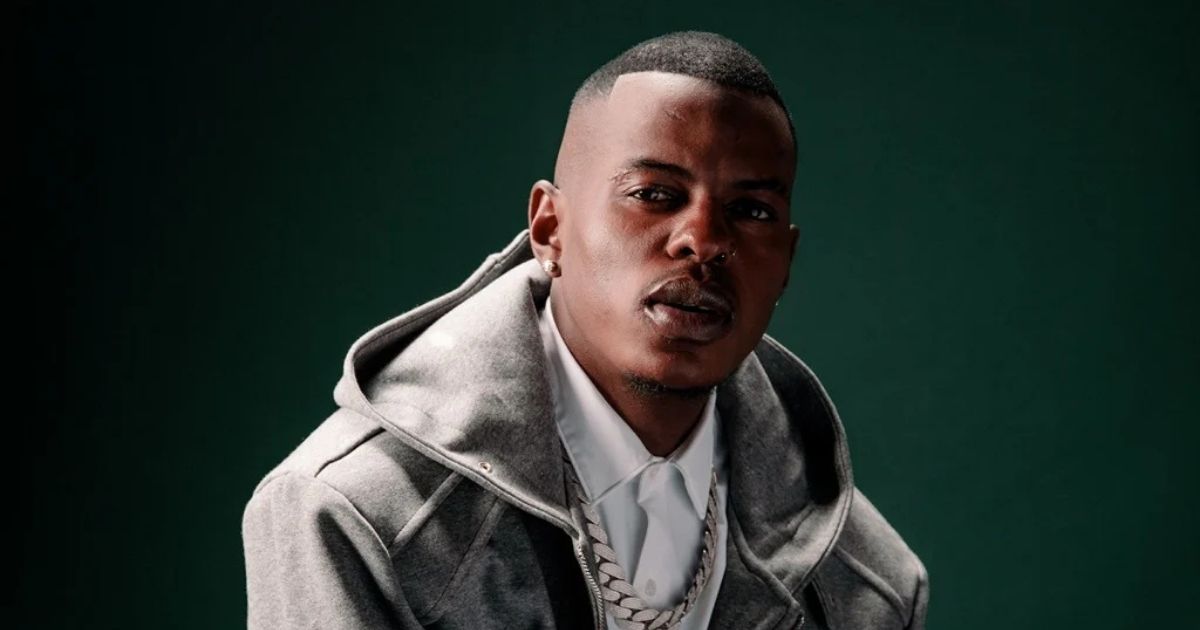
Days later, Amapiano star Musa Keys suffered the same fate. He had been advertised as the headliner for the Mighty Zambezi Lager Bonfire Festival, held on 4 July at Donnybrook Park in Harare.
Organisers removed his name and image from posters and replaced him with local acts, again without any formal explanation.
Fans online welcomed the change as a sign that public pressure could reshape a lineup almost overnight.
An Actress’s Ireland Trip Cancelled, Too
The fallout has not been limited to musicians or to Zimbabwe itself. South African actress Dawn Thandeka King, known for her roles in Uzalo and Shaka iLembe, had her scheduled appearance at the Isintu Festival, a Zimbabwean diaspora event held in Ireland on 5 July, cancelled after organisers bowed to similar pressure.
King was careful to clarify that the festival itself continued. “It is my trip and my appearance that have been cancelled,” she said.
The Cheso Power Festival Standoff
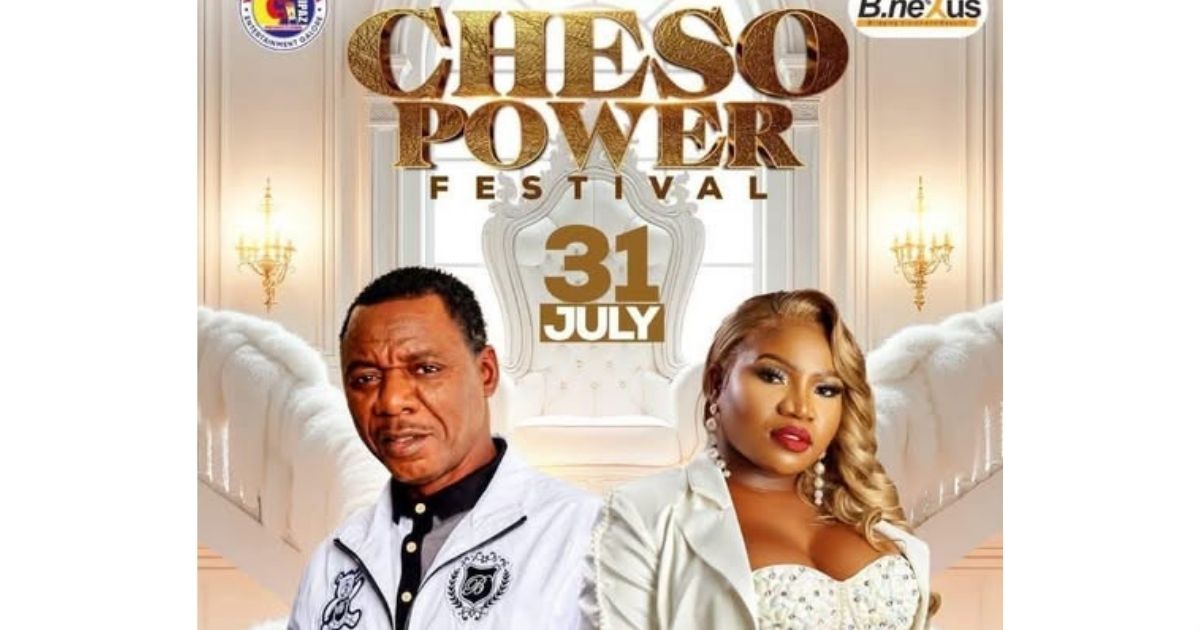
The most closely watched case is still unresolved. The Cheso Power Festival, scheduled for 31 July in Harare, pairs sungura legend Alick Macheso with South African Amapiano star Makhadzi.
As of early July, promoters Bnexus Entertainment have made no public change to the bill, but calls for Makhadzi’s removal are growing, with critics accusing her of staying silent on the violence.
Makhadzi has responded not with silence but with a direct appeal for unity.
In a Facebook post describing herself as “Proudly African”, she wrote that “Ubuntu knows no borders” and that Africa is one home.
The message drew a mixed reaction as some fans praised her for refusing to be dragged into the row, while others argued that an artist’s popularity cannot excuse political tone-deafness in a moment of national grief.
A Familiar Pattern, With African Precedent
Zimbabwe has been here before. In 2015, online campaigners called for a boycott of a Cassper Nyovest show in Bulawayo during an earlier wave of South African xenophobic violence; that show eventually went ahead after the rapper addressed fans directly.
A Mafikizolo concert in Harare was also cancelled in 2019 amid similar online pressure, under the same #BoycottMafikizolo hashtag now recirculating.
The current backlash also echoes further afield. During South Africa’s 2019 xenophobic violence, Nigerian stars Tiwa Savage and Burna Boy both withdrew from South African bookings in protest, with Savage writing at the time that she refused “to watch the barbaric butchering of my people in SA.”
Zimbabwean campaigners are now citing that precedent as proof that cultural boycotts can move quickly from hashtag to headline act.
The Economics of a Boycott
Beyond the politics, there is a hard-currency argument driving much of the public anger. Zimbabwe’s promoters typically pay South African headliners in US dollars or rand, a cost some critics say the country’s fragile economy can ill afford while its own citizens are fleeing hardship next door.
Locally, the shift has produced unexpected winners: Zimbabwean acts drafted in as last-minute replacements have seen their fees rise.
South Africa’s own economic backdrop adds another layer. Unemployment there stood at 32% in the first quarter of 2026, after roughly 350,000 jobs were lost, a climate researchers say has fed anti-migrant sentiment even as employers continue to rely on migrant labour in agriculture, domestic work and security.
What Happens Next
Analysts expect more reshuffling in July, as promoters weigh the risk of public backlash against contracts already signed.
Zimbabwe’s government has stopped short of formally endorsing the boycotts, focusing instead on repatriating citizens from South Africa, while Pretoria faces growing diplomatic pressure from Nigeria, Mozambique and Ghana, all of which have also repatriated citizens in recent weeks.
Whether the Cheso Power Festival goes ahead with Makhadzi intact, or becomes the next lineup to be quietly rewritten, may say a great deal about how long this particular chapter of regional tension lasts, and whether Southern Africa’s long tradition of musical exchange survives it.