
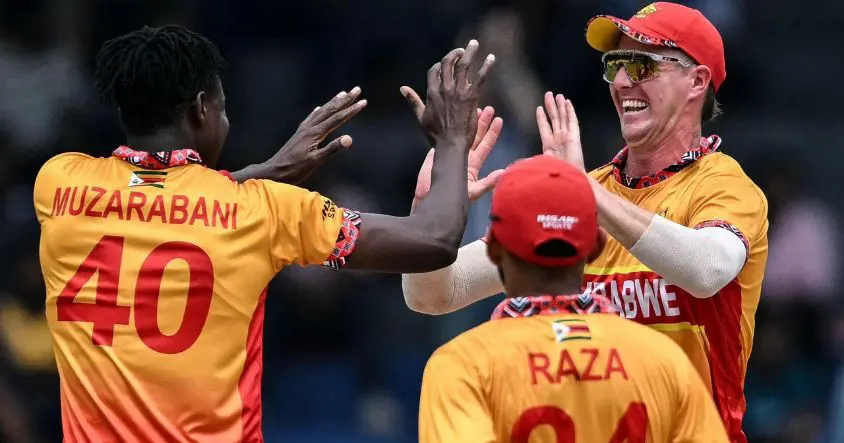
Zimbabwe reach T20 World Cup Super 8
Zimbabwe have booked their place in the Super Eights of the ICC Men’s T20 World Cup, marking one of the most important milestones in the country’s cricket history.
A washout in Pallekele against Ireland confirmed their progression from the group stage – but it was the stunning 23-run victory over Australia in Colombo that truly announced Zimbabwe’s return as a force on the global stage.
A landmark campaign for Zimbabwe cricket
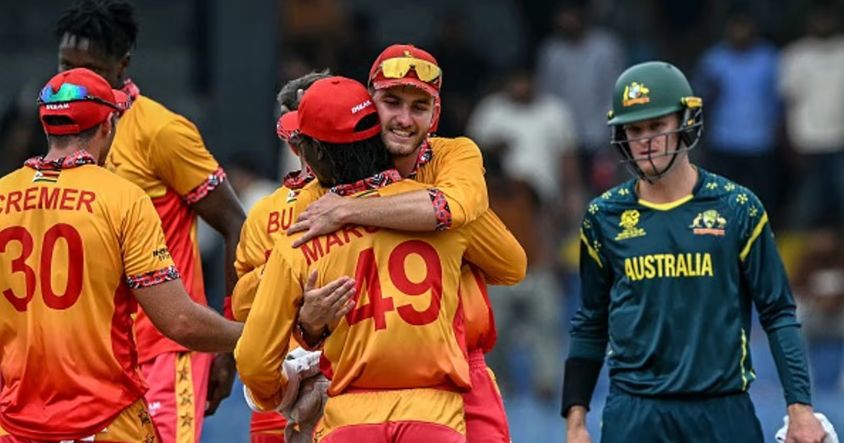
Zimbabwe’s qualification for the Super Eights is their best performance at a men’s global tournament since reaching the Super Six at the 1999 ODI World Cup.
This time, they have done it in the shortest format, combining intelligent batting, disciplined pace bowling and calm under pressure to move beyond the first round of a T20 World Cup for the first time.
Their group campaign has been built around two key results:
A statement win over Australia – defending 169 and bowling out the former champions for 146.
A crucial point from the abandoned match in Pallekele – enough to secure a top-two finish and a ticket to the Super Eights.
For a cricket nation often associated with near-misses and brave defeats, this run has provided a clear, measurable breakthrough.
How Zimbabwe stunned Australia
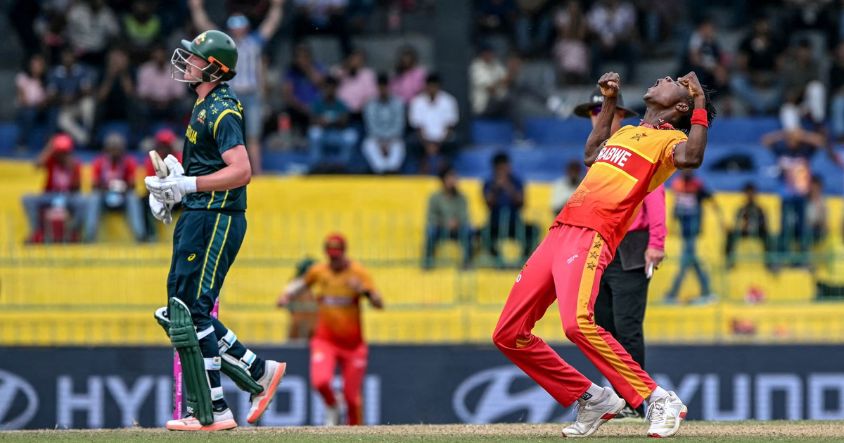
Zimbabwe’s defining performance came in Colombo against one of the tournament favourites.
After being asked to bat, they produced a controlled and confident display at the crease. Opener Brian Bennett anchored the innings, rotating the strike and punishing anything loose, while captain Sikandar Raza provided the finishing flourish in the closing overs.
They closed on 169–2, a total that looked competitive rather than imposing – until the Zimbabwean pace attack took over.
Australia’s reply never settled.
Blessing Muzarabani struck early and often, using his height to extract bounce and seam movement.
Brad Evans hit the pitch hard and hurried batters with skiddy pace.
Richard Ngarava, the tall left-armer, offered control and variation from the other end.
The trio combined to bowl out Australia for 146, sealing a 23-run win and one of the standout results of the tournament so far.
Pace at the heart of Zimbabwe’s resurgence
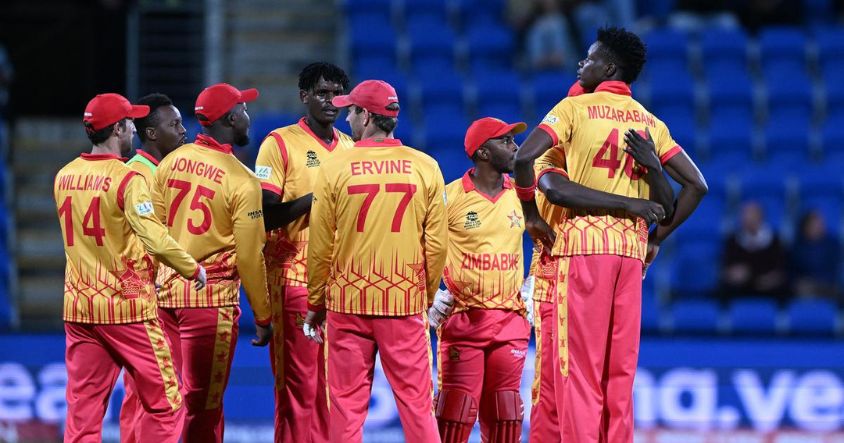
For many years, Zimbabwe were known more for their stroke-makers and canny spinners than for outright fast bowling. This side feels different.
The current team boasts a genuine pace core:
Blessing Muzarabani – a six-foot-eight seamer whose natural bounce and subtle seam movement make him difficult to line up.
Brad Evans – sharp, aggressive and effective on surfaces with even a hint of pace.
Richard Ngarava – another tall seamer who swings and seams the ball into right-handers and can bowl in all phases.
Working under the guidance of bowling consultant Courtney Walsh, one of the greatest fast bowlers the game has seen, Zimbabwe’s attack has gained structure and clarity.
Plans are simple but well executed: attacking lengths in the powerplay, sharp changes of pace through the middle, and disciplined bowling at the death.
Against Australia, that blueprint was on full display as they removed key batters inside the powerplay and never allowed the chase to recover.
Brian Bennett: the new batting standard-bearer
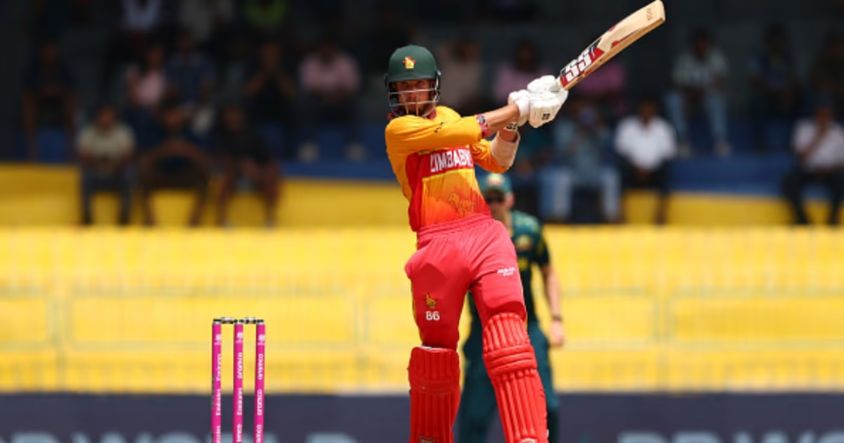
At the top of the order, Brian Bennett has quickly become one of the faces of Zimbabwe’s batting revival.
Born in Harare and refined through school and club cricket in both Zimbabwe and South Africa, Bennett brings a modern, fearless approach. He is equally comfortable driving on the up, sweeping spinners or going down the ground.
He has already registered one of the fastest hundreds by a Zimbabwean in international cricket and now adds a vital World Cup innings to his growing record. His knock against Australia – measured early, explosive late – set the platform for everything that followed.
For a side that has sometimes lacked consistency at the top, Bennett’s emergence offers Zimbabwe a long-term solution in a crucial role.
Sikandar Raza: captain, all-rounder, match-changer
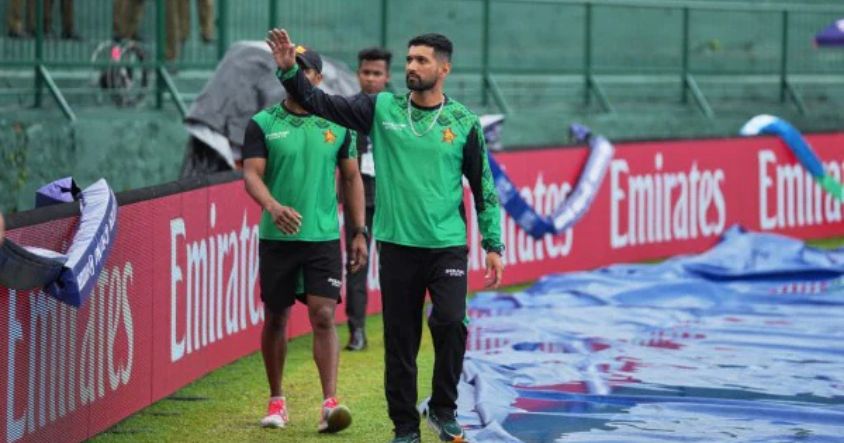
Few players embody this Zimbabwe team more than Sikandar Raza.
A late bloomer at international level, Raza has developed into a genuine three-in-one cricketer:
A middle-order batter capable of rebuilding or accelerating.
An off-spinner trusted in the powerplay and at the back end.
A captain whose energy and belief seem to lift those around him.
In this tournament, he has been at the centre of almost every key moment – finishing innings with the bat, breaking stands with the ball and setting sharp, attacking fields.
His leadership has given Zimbabwe a clear identity: positive, aggressive cricket, but with enough experience to manage tight situations.
Experience guiding a new generation
Around the emerging core, Zimbabwe’s squad still carries the influence of players who have seen international cricket from multiple angles.
Former captain Brendan Taylor has played a quiet but important mentoring role, helping to bridge eras and pass on the knowledge gained from previous World Cups and franchise tournaments.
Leg-spinner Graeme Cremer, who juggles playing and coaching commitments abroad, has been another steady presence, guiding younger bowlers through conditions in Asia and sharing his understanding of how to operate in high-pressure matches.
Between them, these senior figures have helped ensure that Zimbabwe’s progress is not a one-off surge, but part of a more structured rebuild.
A proud history – and a new chapter
Zimbabwe have long carried a reputation as giant-killers at global events. From upsetting top sides in the 1990s to their famous win over Australia at the inaugural T20 World Cup in 2007, they have often produced big performances without quite sustaining a run deep into tournaments.
This campaign feels like a significant step forward:
A complete performance with bat and ball against a leading nation.
A place in the Super Eights secured with a game to spare.
A squad blending youthful energy and seasoned experience.
The win over Australia and progression to the next phase will inevitably draw comparisons with past glories, but this group is intent on writing its own story.
What the Super Eights could mean
Reaching the Super Eights brings Zimbabwe:
More high-level cricket – several matches against the strongest teams in the tournament.
Greater exposure for players – performances at this stage can open doors to major T20 leagues around the world.
Fresh momentum for the domestic game – success at the global level often translates into increased interest in local competitions and academies.
Most of all, it offers Zimbabwe the chance to show that their win over Australia is not an isolated upset, but part of a sustained climb back into cricket’s mainstream.
Whatever happens from here, this T20 World Cup has already delivered a defining moment for Zimbabwe cricket – one built on skill, planning and belief, and one that suggests the country’s days as mere outsiders are firmly in the past.