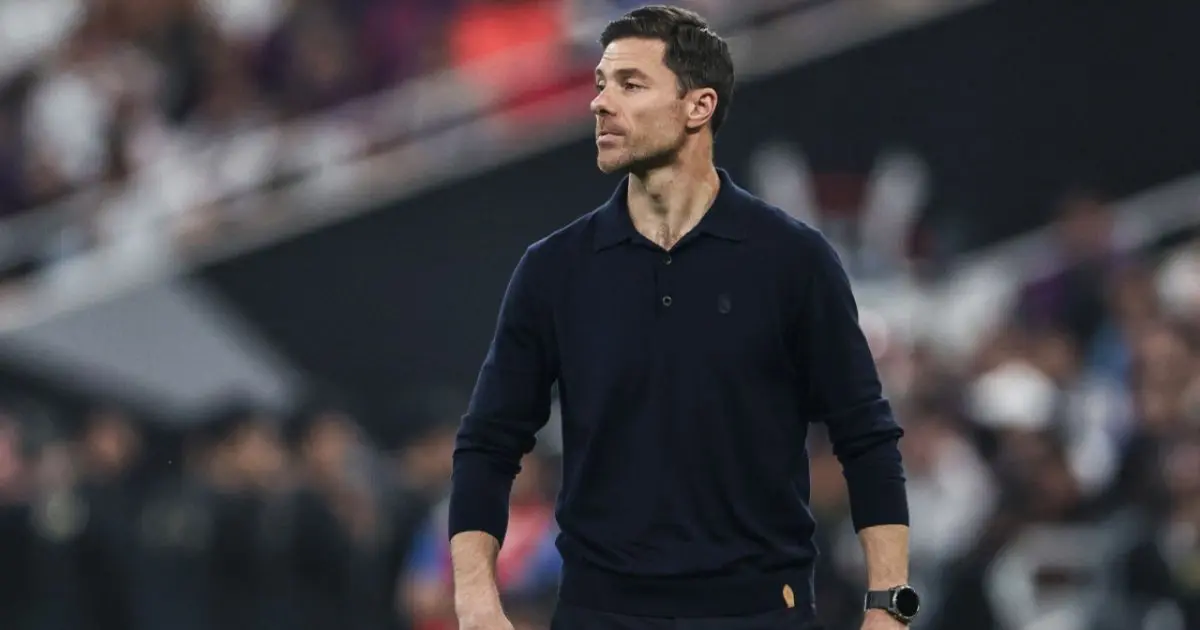
Xabi Alonso has left his role as head coach of Real Madrid after just seven months in charge, bringing an abrupt end to one of the most closely watched managerial appointments in European football.
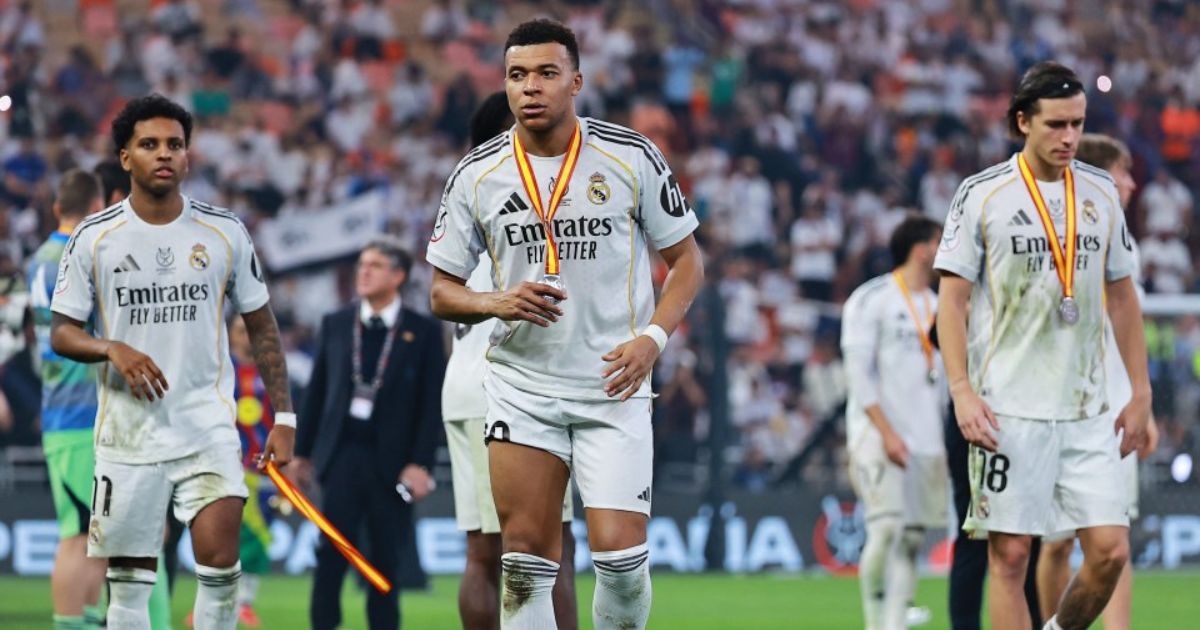
According to Sky Sports, the former Madrid and Spain midfielder has parted company with the club by mutual agreement, with the decision confirmed a day after Real’s defeat to Barcelona in the Spanish Super Cup final in Saudi Arabia.
The timing has only sharpened the sense of upheaval at the Bernabéu.
A short and intense reign
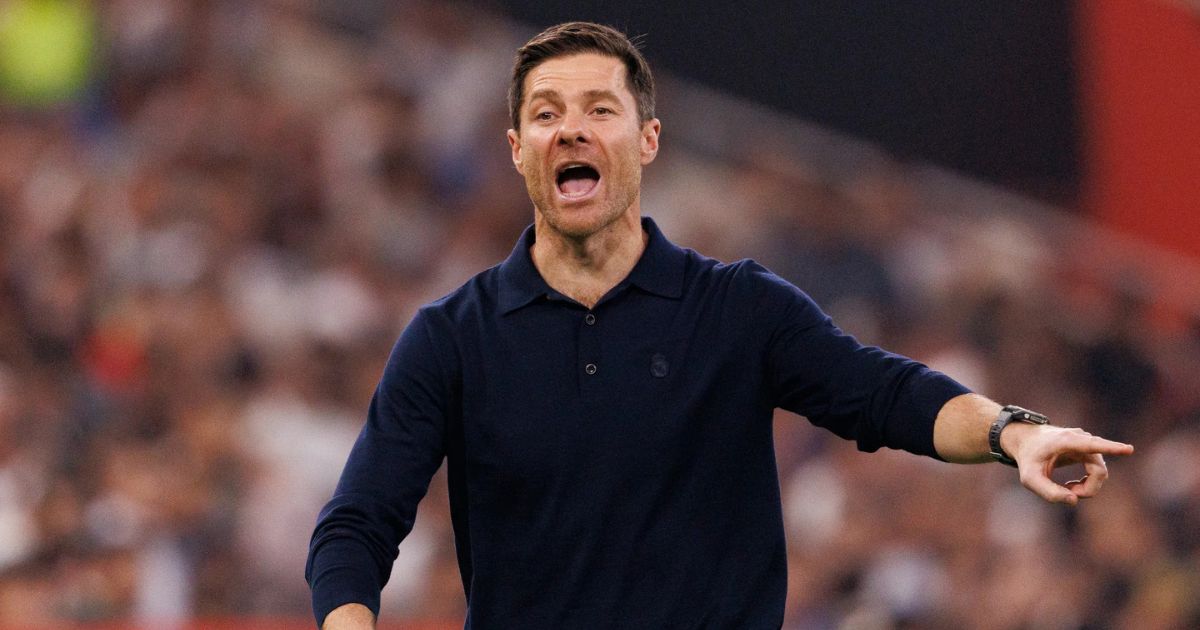
Alonso was appointed last summer as the successor to Carlo Ancelotti, arriving with his reputation at its peak after guiding Bayer Leverkusen to an unlikely German league and cup double in 2024.
His move to Madrid was widely seen as the start of a long-term project, blending tactical modernity with a deep understanding of the club’s culture.
Instead, his tenure lasted little more than half a season. Real currently sit second in LaLiga, four points behind leaders Barcelona at the midway stage of the campaign.
In Europe, they are seventh in the Champions League table, having won four of their six matches while losing the other two.
While those numbers would be acceptable at many clubs, at Real Madrid they rarely buy much patience.
The Super Cup final defeat to Barcelona proved a particularly bruising moment, once again highlighting the fine margins that often define managerial success or failure in Spain’s fiercest rivalry.
A respectful farewell for Xabi Alonso
In a statement, Real Madrid confirmed Alonso’s departure and paid tribute to his status within the club.
“Xabi Alonso will always have the affection and admiration of all Madrid fans because he is a Real Madrid legend and has always represented the values of our club,” the statement read. “Real Madrid will always be his home.
“Our club thanks Alonso and his entire technical team for their work and dedication during this time, and wishes them the best of luck in this new stage of their lives.”
It was a dignified exit for a figure whose playing career at the club earned him lasting respect. As a midfielder, Alonso was central to Madrid’s Champions League triumph in 2014 and remains one of the most admired football minds of his generation.
Expectations and pressure
Alonso’s appointment had come against a backdrop of intense expectation. His work at Leverkusen, where he transformed an unfancied side into domestic double winners, marked him out as one of Europe’s most promising young coaches.
He had also been linked with the Liverpool job when Jürgen Klopp announced his decision to step down, but chose to remain in Germany for another season before accepting the Madrid role.
That decision was viewed as a natural homecoming, but it also placed him under immediate and unforgiving scrutiny.
At Real Madrid, progress is rarely measured in phases. Results, trophies and performances against Barcelona carry disproportionate weight, and even club legends are not immune from the consequences.
Arbeloa steps up
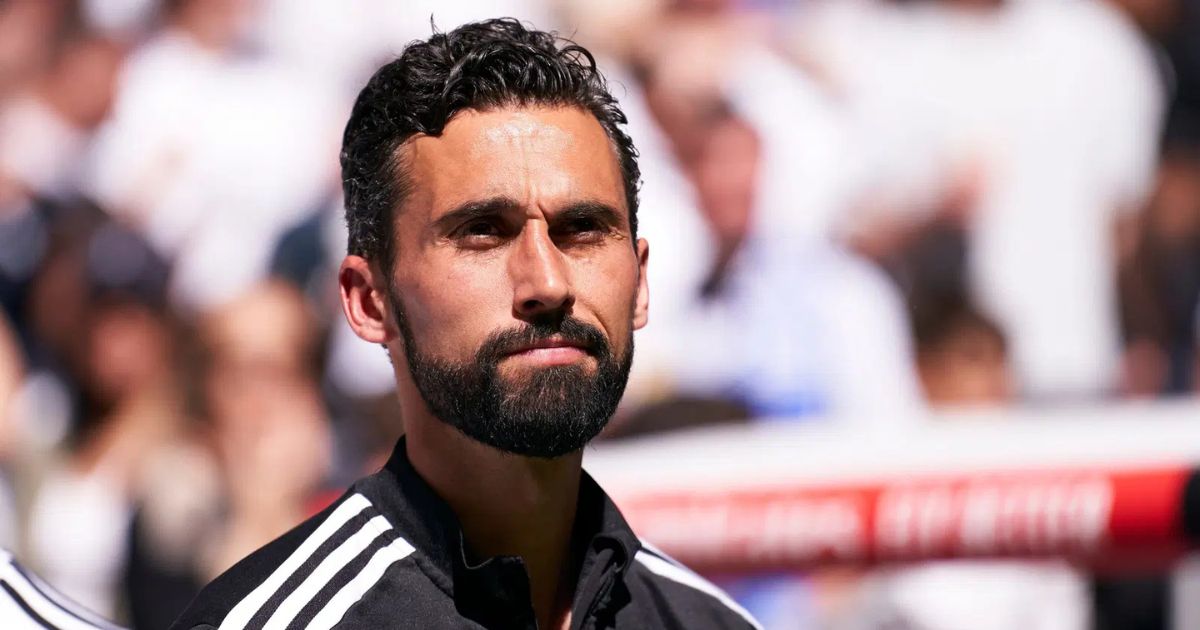
Real moved swiftly to name Álvaro Arbeloa as Alonso’s replacement. The 42-year-old has been head coach of Real Madrid Castilla, the club’s B team, since the start of the season, after spending six years working within the academy.
Arbeloa has built a strong reputation at youth level. During the 2022-23 campaign, he guided Real’s Juvenil A side to a remarkable treble, winning their league, the Copa del Rey and the Champions Cup.
He followed that up with another league title last season, further underlining his credentials as a developer of young talent.
Like Alonso, Arbeloa is deeply woven into the fabric of the club. A former Real Madrid defender, he also shared dressing rooms with Alonso at Madrid, with the Spain national team and during their time together at Liverpool. That shared history adds a sense of continuity at a moment of uncertainty.
A familiar pattern
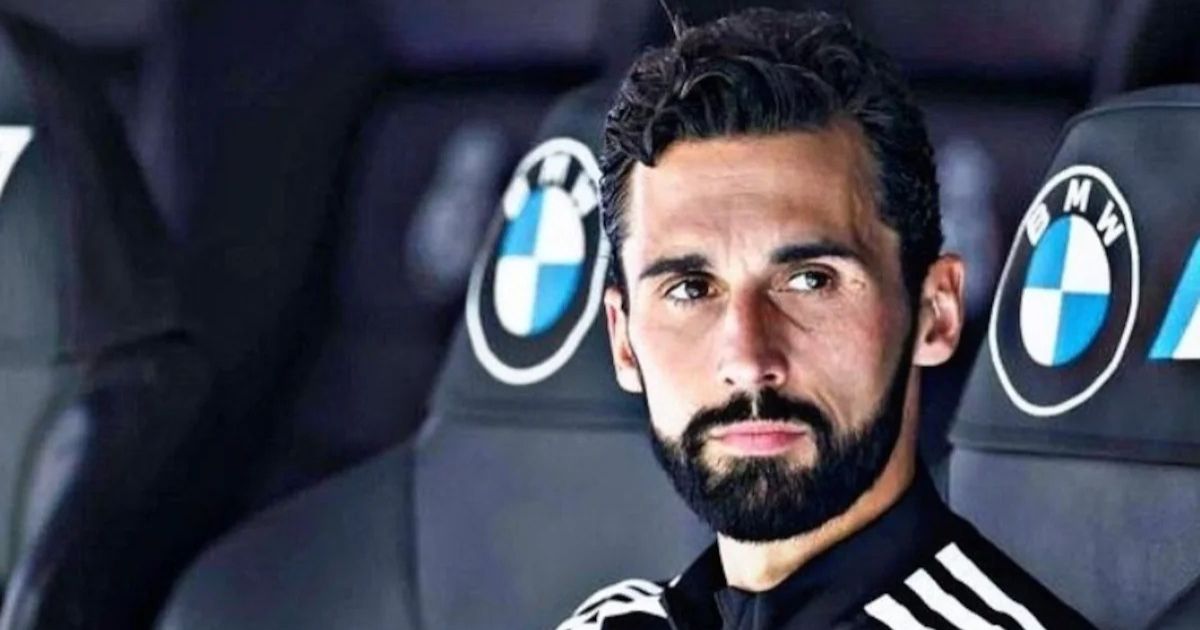
The decision to turn inward once again reflects a recurring theme at the Bernabéu: when pressure mounts, Real Madrid often place their trust in figures who understand the club from the inside.
For Arbeloa, the challenge is immediate and substantial. He inherits a team still competing on multiple fronts, but one searching for authority and clarity after a sudden managerial change.
For Alonso, the departure may prove a temporary setback rather than a defining failure. At 43, he remains one of the most highly rated coaches of his generation, and his brief spell in Madrid is unlikely to diminish the wider belief in his long-term potential.
As Real Madrid regroups under new leadership, the episode serves as another reminder of the club’s unique environment — where history, expectation and impatience coexist, and where even the most promising projects are judged at relentless speed.