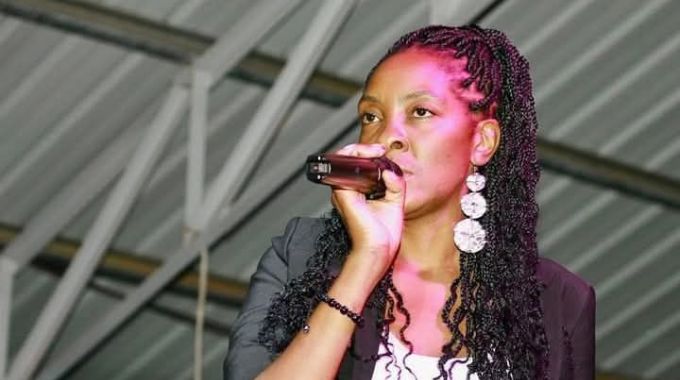
Tererai Mugwadi has spoken out for the first time since a video of her performance at the Shoko Festival went viral, insisting she is mentally strong and not battling drug or alcohol addiction despite growing speculation.
The clip, which circulated widely across social media platforms, sparked concern among fans and fellow musicians, with some viewers describing her stage presence as unusually subdued.
The footage quickly triggered a public debate about her well-being, prompting calls from some quarters for her to seek professional help.
However, in an interview with the H Metro, Mugwadi dismissed the claims as exaggerated and unfair, saying the narrative around her personal life has been fuelled more by online gossip than fact.
“I am in the right frame of mind and in the right space,” she said. “People who are genuinely concerned can call me privately and ask what is happening. Most of the comments I’ve seen are just for clout.”
The singer, known for hits such as “Tinodanana”, said she spends most of her days working in central Harare and questioned why strangers felt entitled to diagnose her without seeking her side of the story.
“This has become a trend — to portray me in a bad light,” she said. “In entertainment, there are good and bad days. But instead of talking to me directly, people choose to attack me online.”
Despite the scrutiny, Mugwadi said she has a strong support system helping her navigate the public backlash. She also stressed that there are people in Zimbabwe who urgently need help for genuine addictions, urging the public to focus on the broader national crisis rather than her personal life.
Rising Substance Abuse in Zimbabwe
Her comments come at a time when Zimbabwe is experiencing a sharp rise in drug and substance abuse, an issue that health officials warn has reached crisis levels.
In major cities such as Harare and Bulawayo, cases involving crystal methamphetamine — locally known as mutoriro — cannabis, illicit brews, and over-the-counter medicines such as codeine syrups have surged.
Youths remain the hardest-hit demographic, with some communities reporting high levels of addiction-related crime, school dropouts, and mental-health breakdowns.
Authorities have launched nationwide crackdowns on drug suppliers while expanding public awareness campaigns.
However, experts say the scale of the problem necessitates more rehabilitation centres, professional counselling, and long-term mental health programs.
Angel of Hope Rehabilitation Efforts
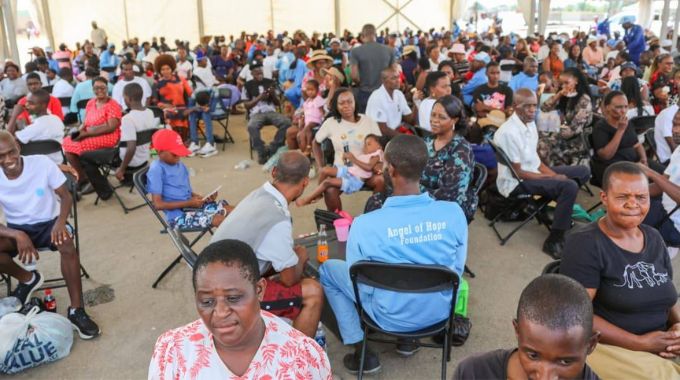
One of the key organisations responding to the crisis is the Angel of Hope Foundation, led by First Lady Dr Auxillia Mnangagwa.
The Angel of Hope Rehabilitation Centre in Mbare is offering detox services, counselling, skills training and reintegration support for recovering addicts.
Its centre, set up in partnership with health professionals and community volunteers, focuses on holistic recovery — addressing both addiction and the underlying social or psychological factors.
The foundation has also been running outreach programmes in schools, churches and communities to educate young people about the dangers of substance abuse.
Public health experts say such interventions are vital in a country where mental-health resources are stretched and many families cannot afford private rehabilitation services.
Voices of Concern in the Entertainment Industry
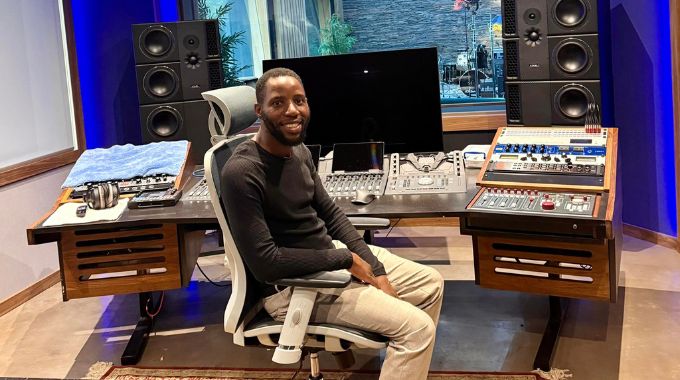
Mugwadi’s viral video has reignited a long-standing conversation about the pressures faced by Zimbabwean artists, many of whom perform under demanding conditions with limited institutional support.
Talent scout Plot Mhako urged the public to show compassion rather than ridicule, noting that the entertainment industry is often unforgiving.
South Africa-based musician Nox Guni also encouraged people to show love to Mugwadi during this period, while others suggested that a professional evaluation at a rehabilitation centre could be helpful if needed.
Music Still at the Centre of Her Life
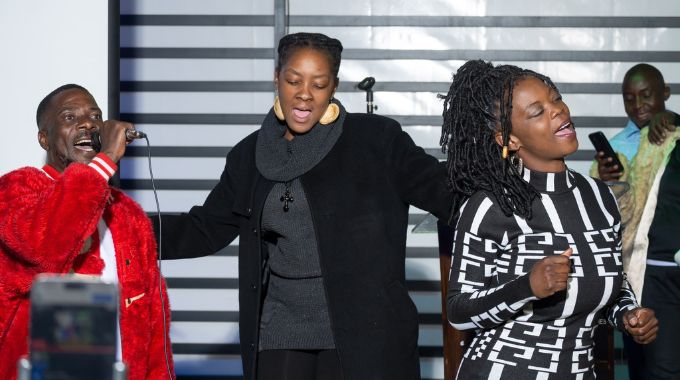
Despite the criticism, Mugwadi says she remains committed to her career. She revealed she has continued recording music and recently worked on a single titled “Muchibage” alongside rapper Maskiri.
“I have always loved music,” she said. “The social media trolls won’t stop me from living my life or doing what I love.”
As public debate continues, her story has become part of a wider national conversation — one that touches not only on an artist’s personal journey but also on Zimbabwe’s escalating struggle with drug abuse and the urgent need for stronger mental-health support systems.
This article is based on a story in the H-Metro written by Trust Khosa.