What was supposed to be a vibrant Africa Day weekend celebration ended in disappointment after Sunshine City Festival was forced to cancel its second day following a poor turnout, exposing the growing pressures confronting Zimbabwe’s entertainment industry.
The festival, organised by Tamba Events Management, had been marketed as an ambitious blend of music, sport, lifestyle and community experiences in Harare.
Organisers promised live performances, a marathon, football activities and outdoor entertainment aimed at positioning the event among Zimbabwe’s emerging urban festivals.
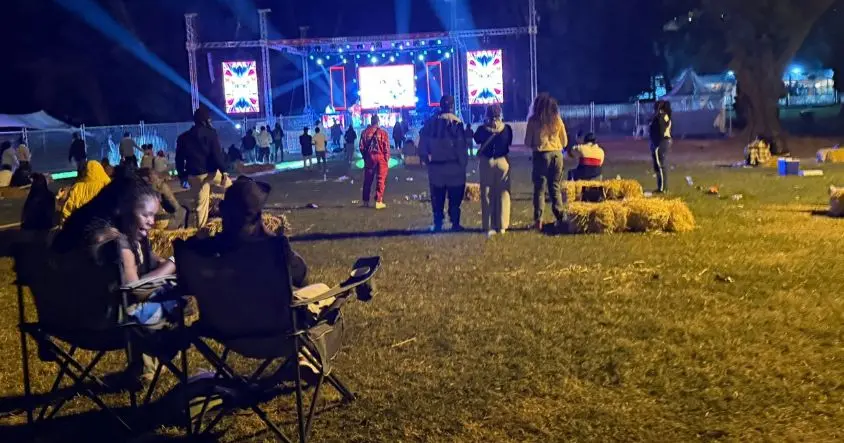
But by the end of the first day, it had become clear that attendance had fallen far below expectations.
In a statement released after the event, Festival Director Nigel Chinovhiringa admitted that organisers had been forced into difficult decisions after the festival failed to attract the expected numbers.
“Sunshine City Festival was launched as an ambitious independent festival built on a vision to create a unique entertainment, lifestyle, and community experience,” he said.
“While attendance during the third edition fell below expectations and operational realities forced the difficult decision to cancel Day Two and postpone supporting activities, the experience has provided valuable lessons that will help shape a stronger, more sustainable future edition of the festival.”
The statement marked a rare moment of public honesty in Zimbabwe’s entertainment sector, where promoters often avoid discussing financial losses or poor attendance openly.
A growing trend of ambitious events struggling to survive
The Sunshine City Festival setback has now sparked wider debate about the sustainability of Zimbabwe’s growing festival culture.
Over the past few years, Harare has experienced an explosion of lifestyle events, music festivals and outdoor experiences targeting young audiences. Almost every month, new events are launched with promises of international-standard production, celebrity performers and luxury experiences.
But behind the colourful posters and social media hype, many promoters are battling a difficult economic environment where audiences are becoming increasingly selective about where they spend their money.
High transport costs, food prices, accommodation expenses and ticket fees have made attending festivals far more expensive than many organisers may realise.
Some entertainment analysts believe Sunshine City Festival may have become another casualty of an oversaturated market where too many events are competing for the same audience.
Others argue that the modern Zimbabwean consumer is no longer easily convinced by aggressive online marketing alone.
Videos and photographs circulating on social media after the event appeared to show sparse crowds despite weeks of promotion leading up to the festival.
Organisers attempt to rebuild trust
Rather than disappear quietly after the backlash, Tamba Events Management used its official statement to acknowledge the disappointment while promising to rebuild trust with supporters.
“We would like to sincerely thank every artist, attendee, partner, service provider, and supporter who believed in the vision and contributed to making the event possible under challenging circumstances,” Chinovhiringa said.
The organisers also addressed concerns from participants who had registered for the Sunshine City Festival Marathon, one of the activities affected by the cancellation.
“We also extend special appreciation to everyone who bought tickets and registered for the Sunshine City Festival Marathon,” the statement read.
“Although operational challenges forced the postponement of the run, your support, enthusiasm, and belief in the initiative have not gone unnoticed.”
Chinovhiringa went further, personally assuring participants that they would still receive commemorative medals despite the marathon not taking place.
“As Festival Director, I will personally ensure that all registered participants receive their commemorative medals,” he said.
“I will personally bring the medal to you as a gesture of gratitude and appreciation while preparations are made toward a stronger and better organised future edition of the marathon.”
Zimbabwe’s entertainment industry under pressure
The collapse of Day Two has become more than just a failed weekend event. For many observers, it represents the difficult reality facing Zimbabwe’s entertainment business in 2026.
While demand for live entertainment remains strong, audiences are becoming harder to mobilise consistently, especially for new or independent festivals without deep corporate sponsorship.
The industry is also dealing with what many insiders describe as “festival fatigue”, where consumers are overwhelmed by the sheer number of events competing for attention every weekend.
Some critics on social media questioned whether Sunshine City Festival expanded too quickly before fully establishing a loyal audience base.
Others defended the organisers, saying independent promoters are taking major financial risks in an unstable economy and should not be condemned for trying to grow Zimbabwe’s entertainment scene.
Despite the setback, Chinovhiringa insisted the festival’s story is not over.
“This is not the end of the Sunshine City Festival vision, but rather an important learning and rebuilding phase,” he said.
“We remain committed to improving, growing, and returning with a better structured and more sustainable festival experience for our supporters, partners, and the wider community.”
Whether Sunshine City Festival can successfully recover may now depend on how organisers handle disappointed ticket holders, rebuild public confidence and adapt to the increasingly harsh realities of Zimbabwe’s modern entertainment economy.