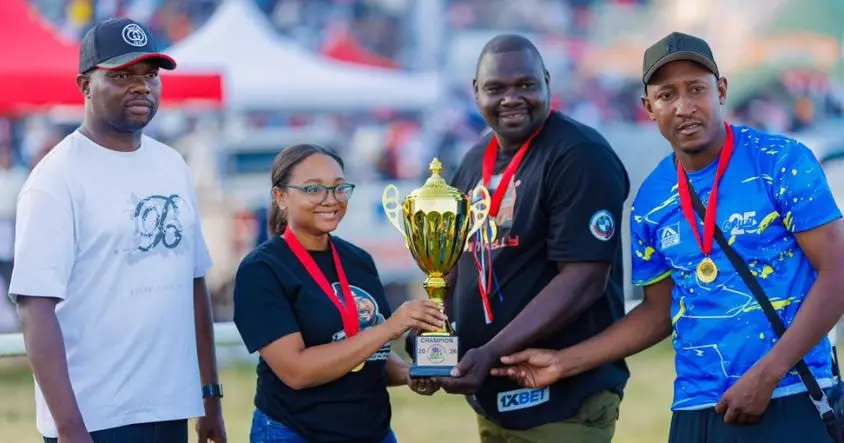
Zimbabwe’s 2026 motorsport calendar recently roared into life following a high-energy start at the Borrowdale Racecourse, where the Selekta Base Blowout Festival drew thousands of spectators for a day defined by speed, sound and spectacle.
Held on 3 May, the festival brought together motorsport enthusiasts, performers and entrepreneurs in what organisers describe as one of the country’s fastest-growing lifestyle events. From tyre-smoking burnouts to precision drifting, the gathering reflected the rising prominence of car culture across Southern Africa.
The event was attended by the Minister of Youth Empowerment, Development and Vocational Training, Tino Machakaire, who served as the Guest of Honour. He praised the festival’s role in engaging young people, saying it offered a platform not only for entertainment but also for enterprise and skills development.
“This is more than just motorsport,” he said. “It is about youth empowerment, innovation and creating opportunities within a growing creative and sporting industry.”
Regional competition and standout performances
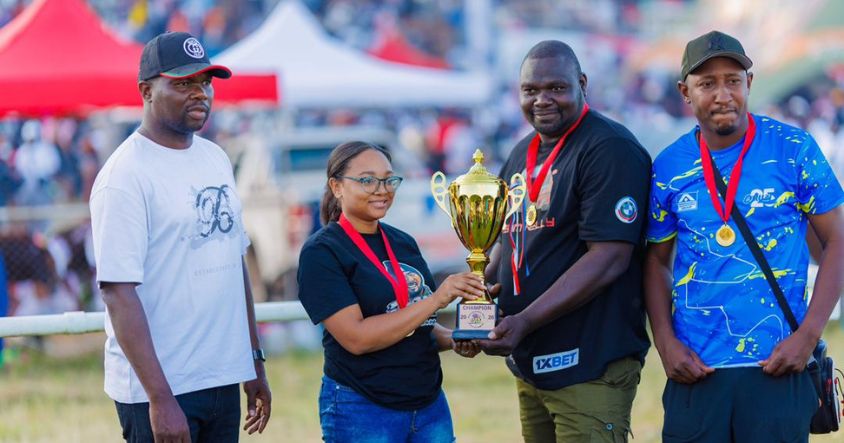
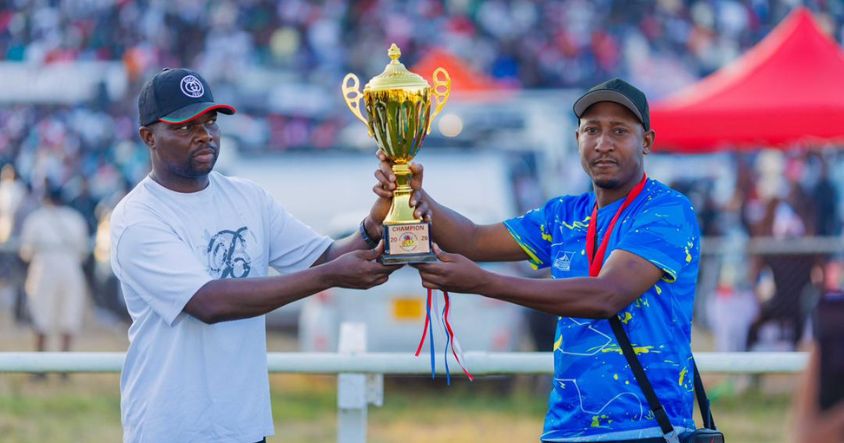
At the centre of the day’s action was a tightly contested spinning championship that attracted competitors from across the region. Zambia’s Jericho Moono emerged as the overall winner, delivering a commanding performance in the final rounds.
South Africa’s Kaylin Mikayla “Kayla” Oliphant took second place, while Zimbabwe’s Saviour Motors secured third, earning loud support from the home crowd.
The competition highlighted the increasingly cross-border nature of the sport, with participants and fans travelling from neighbouring countries to take part in what is becoming a key fixture on the regional calendar.
A festival beyond motorsport
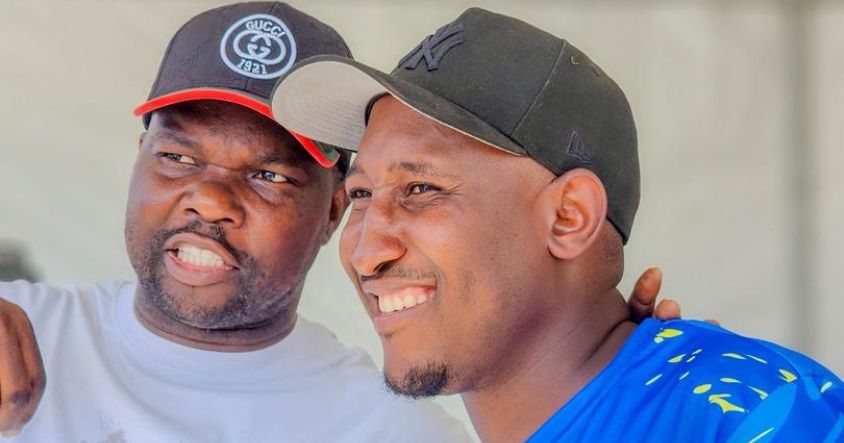
While the spinning arena remained the focal point, the event extended beyond racing. Live music, food vendors, brand activations and family-friendly attractions contributed to an atmosphere that organisers say is designed to appeal to a wider audience.
One of the day’s most talked-about moments came when Minister Machakaire stepped onto the arena himself, taking part in a burnout session. The move drew cheers from spectators and added to the festival’s reputation for blending official support with grassroots energy.
Organisers say this mix of sport, entertainment and business is intentional. “We are building a platform where culture and commerce meet,” one official said. “Motorsport is just the starting point.”
The rise of burnout culture in Zimbabwe
The festival also underscores the rapid growth of burnout and spinning culture in Zimbabwe, a scene that has evolved from informal street gatherings into structured competitions with increasing visibility.
Spinning — a motorsport discipline involving controlled car manoeuvres such as doughnuts, drifts and high-speed turns — has long been popular in South Africa. In recent years, Zimbabwean drivers and promoters have adapted the format, creating local competitions and attracting sponsorship.
For many young people, the sport offers both an outlet and an opportunity. Modified vehicles, mechanical skill and driving technique are central to the culture, which often intersects with music, fashion and digital media.
However, the rise of burnout culture has also raised questions about safety and regulation. Authorities have, at times, expressed concern over unsanctioned events and dangerous driving on public roads.
Some see organised festivals like the Selekta Base Blowout as a way to channel that energy into controlled environments.
Motorsport analysts say the formalisation of such events could help develop the industry further. “If properly supported, this sector can create jobs — from mechanics to event management and media production,” one Harare-based motorsport commentator noted.
Looking ahead
The success of this festival signals a strong start to Zimbabwe’s motorsport season, with organisers already hinting at larger editions and expanded regional participation in the months ahead.
For fans, the appeal lies not only in the thrill of the competition but in the sense of community it fosters. For organisers and policymakers, it represents a growing sector with economic and cultural potential.
As engines cool after the opening event, anticipation is already building for what promises to be a busy and increasingly influential year for motorsport in Zimbabwe.