Rhinos return to Matusadona
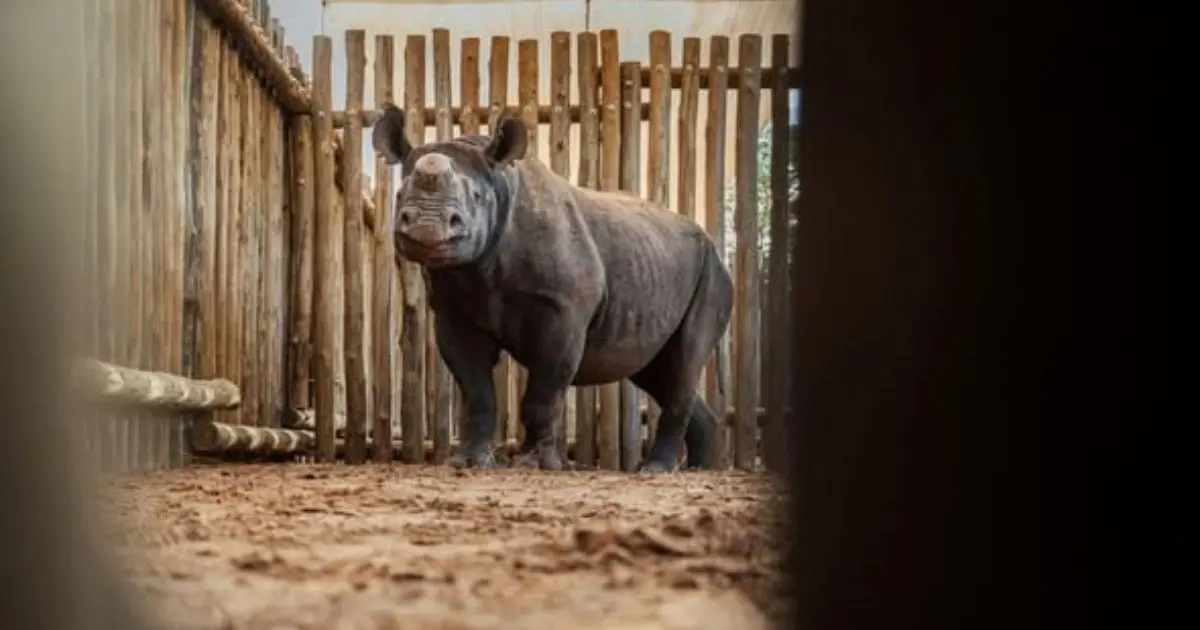
The return of black rhinos to Matusadona National Park marks a major step in Zimbabwe’s efforts to restore wildlife populations and strengthen one of Africa’s most ambitious conservation landscapes.
After decades of absence, the endangered animals are once again roaming the shores of Lake Kariba, a development conservationists describe as a milestone for both biodiversity protection and the long-term recovery of the park.
The translocation, carried out through a partnership involving the Zimbabwe Parks and Wildlife Management Authority (ZimParks), African Parks and Matusadona National Park, is expected to contribute significantly to the country’s National Rhino Strategy.
For Zimbabwe, a nation regarded as one of Africa’s leading rhino conservation strongholds, the move represents more than the return of a species. It signals the continued revival of a protected area that has undergone a remarkable transformation in recent years.
Bringing Back a Lost Giant
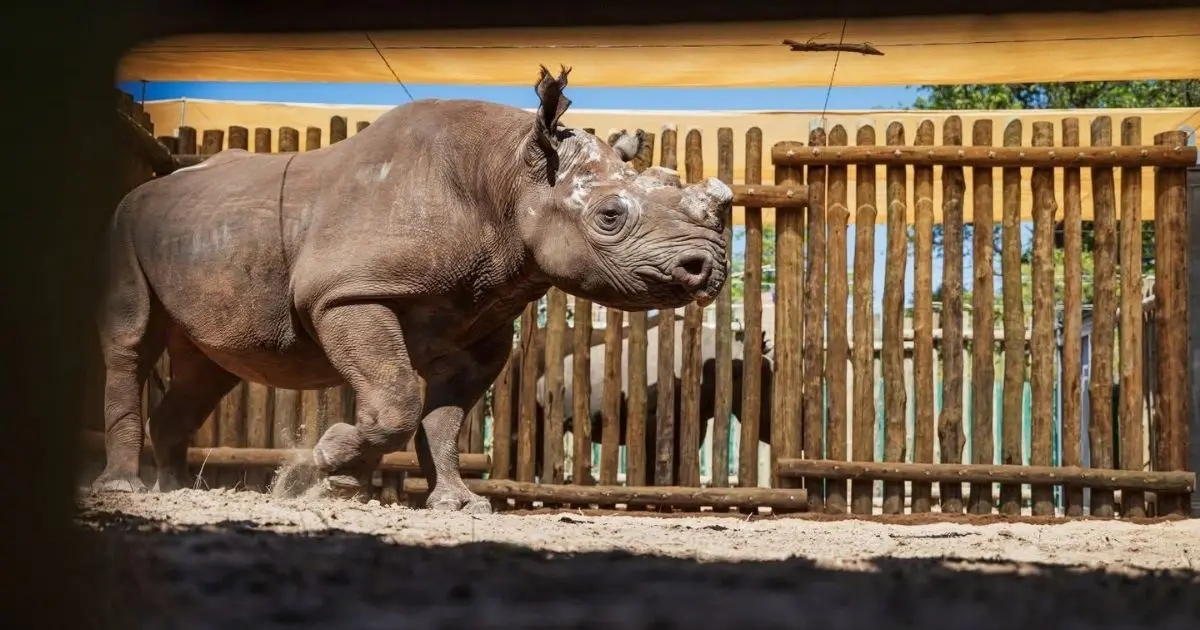
Black rhinos were once a natural part of the Matusadona ecosystem, inhabiting the vast wilderness that stretches from the rugged escarpment down to the waters of Lake Kariba.
However, years of poaching and conservation challenges led to their disappearance from the landscape.
Their return restores a missing component of the park’s ecological heritage and creates a new founder population that conservation experts hope will grow steadily over the coming years.
According to ZimParks Director General Professor Edson Gandiwa, the achievement demonstrates what can be accomplished through collaborative conservation efforts.
“The return of black rhino to Matusadona National Park is a historic event and a proud moment for Zimbabwe’s conservation efforts. It is a testament to what is possible when government, conservation organisations, and local partners work together with a shared purpose,” said Gandiwa.
The project is expected to strengthen the country’s wider rhino conservation network, helping establish additional populations that can support future breeding and genetic diversity.
The Rise of a Conservation Stronghold
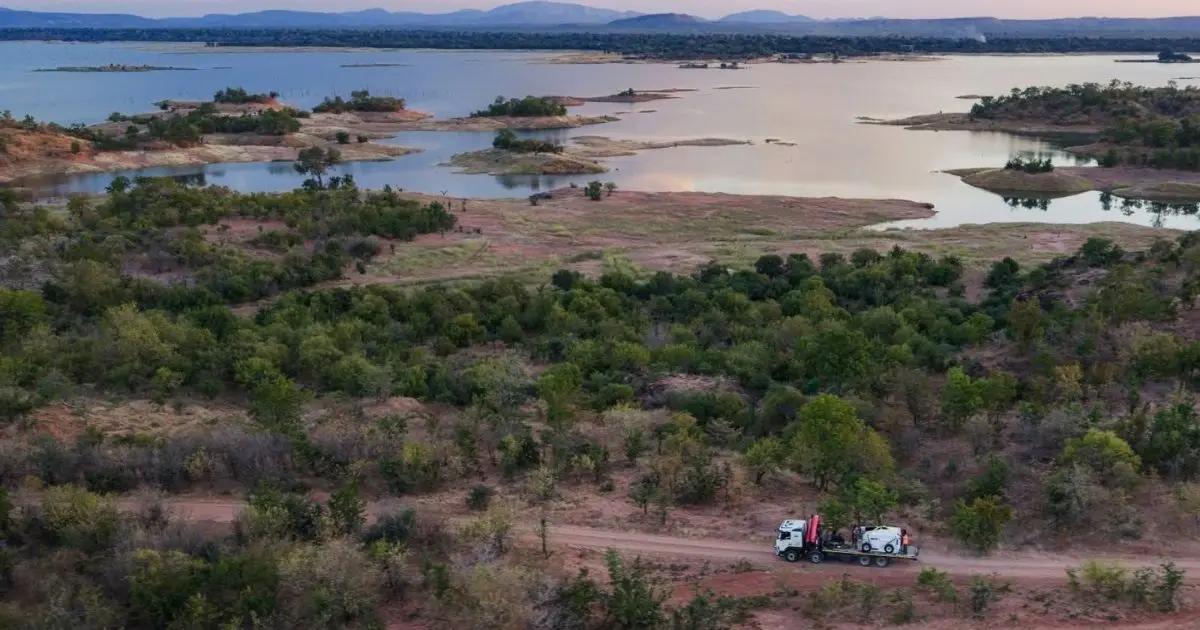
Matusadona National Park has emerged as one of southern Africa’s most closely watched conservation success stories.
Located in northern Zimbabwe along Lake Kariba, the park is known for its spectacular scenery, abundant wildlife and strategic importance within the Zambezi Valley ecosystem.
Over the past several years, significant investment in wildlife protection, anti-poaching operations and habitat restoration has helped rebuild confidence in the park’s future.
The partnership between ZimParks and African Parks has brought renewed focus to conservation management, resulting in improved infrastructure, enhanced law enforcement and increased support for surrounding communities.
The return of rhinos is widely seen as evidence that those efforts are delivering tangible results.
Why Black Rhinos Matter
Black rhinos remain among the world’s most endangered large mammals.
Across Africa, decades of poaching driven by demand for rhino horn caused catastrophic population declines. While conservation programmes have helped many populations recover, the species continues to face significant threats.
Zimbabwe plays a critical role in global rhino conservation, hosting one of the continent’s most important populations.
Establishing new, secure populations is a key component of modern conservation strategy. By spreading rhinos across multiple protected areas, conservationists reduce risks associated with disease, poaching and environmental pressures.
The Matusadona population is expected to contribute to Zimbabwe’s growing rhino metapopulation, improving the species’ long-term resilience.
Conservation Through Partnership
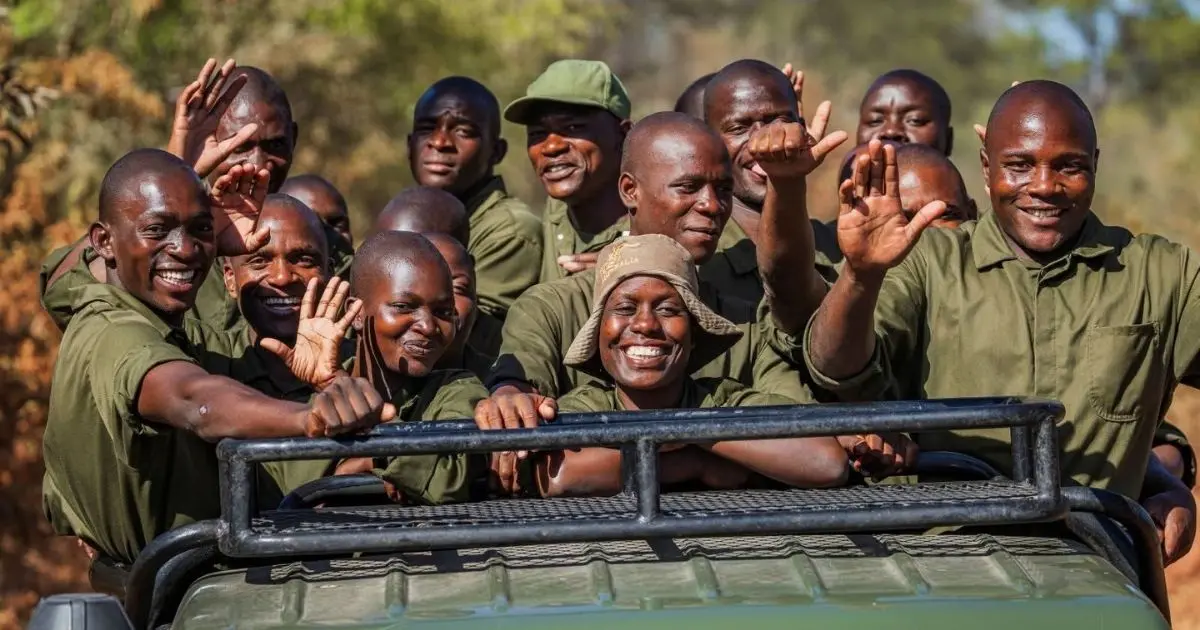
The success of the operation relied on support from a wide network of conservation partners and donors.
ZimParks acknowledged the contributions of The Wyss Foundation, Stichting Natura Africae, the European Union, Thomas and Sara de Swardt, the Global Wildlife Fund, the Pangolin Crisis Fund and the Elephant Crisis Fund.
Imire and the Dambari Wildlife Trust were also recognised for their role in helping ensure the successful relocation of the animals.
Conservation experts frequently point to such partnerships as essential to safeguarding endangered species, particularly in regions where large-scale wildlife management requires substantial resources and long-term commitment.
Opportunities for Tourism and Communities
The return of rhinos is also expected to enhance Matusadona’s appeal as a travel destination.
Wildlife tourism remains one of Zimbabwe’s most valuable economic sectors, attracting visitors from around the world to destinations such as Hwange National Park, Mana Pools and Gonarezhou.
Adding rhinos to Matusadona’s wildlife offering strengthens its position as a premier safari destination, potentially generating increased tourism revenue and creating opportunities for local communities.
Conservation authorities increasingly view wildlife protection and community development as interconnected goals, with successful conservation often depending on local support and participation.
A New Chapter for Matusadona
For decades, the absence of rhinos served as a reminder of the challenges facing wildlife conservation.
Today, their return tells a different story, one of recovery, resilience and renewed hope.
As the animals settle into their new home overlooking Lake Kariba, conservationists will be closely monitoring their progress. If successful, the initiative could become one of Zimbabwe’s most important wildlife restoration achievements of the modern era.
For Matusadona, the return of its lost giants is not simply a homecoming. It is the beginning of a new chapter in the park’s conservation journey.