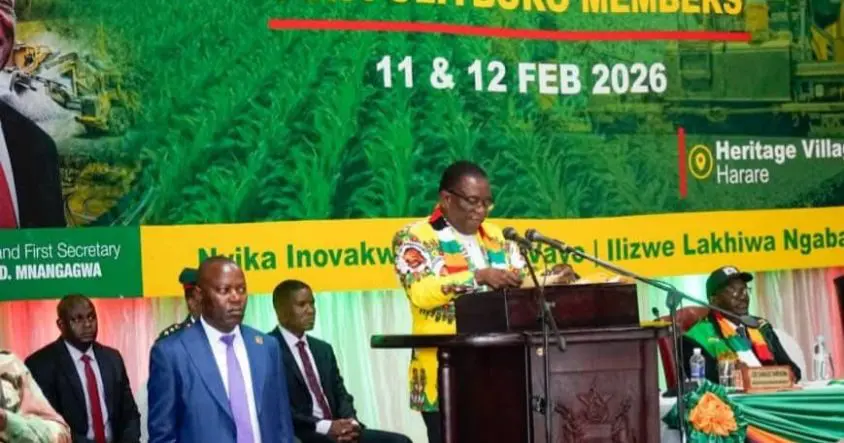
The Museum of African Liberation and its adjoining Heritage Village have taken centre stage in Harare after hosting a high-level ZANU-PF strategic seminar addressed by President Emmerson Mnangagwa.
Although the gathering brought together the party’s top leadership, some of the day’s focus fell on the venue itself – a flagship heritage and events complex that is fast becoming one of the capital’s key cultural and meetings destinations.
Museum of African Liberation: A reminder of sacrifices and struggle
Opening the seminar, the President said he welcomed the decision to bring the event to the Museum of African Liberation, describing it as a place that carries the emotional and historical weight of the liberation struggle.
“I commend the Party for holding this Seminar here, at the Museum of African Liberation,” he said.
“The Museum embodies the values that gave birth to ZANU PF and stands as a reminder of the sacrifices, struggles, solidarity and shared resolve that secured our independence, freedom, sovereignty, democracy and territorial integrity.”
“It is, therefore, a befitting setting for the executive structure of the Party to gather, as we re-commit ourselves to the sacred mandate, bestowed on us by our Party Constitution.”
For organisers and tourism planners, those remarks underscored the venue’s dual identity: part national shrine, part modern events complex.
A new kind of museum experience
The Museum of African Liberation is being developed as a continental project, designed to tell the story of Africa’s fight against colonialism and minority rule.
Sitting within the wider Liberation City precinct on the western edge of Harare, the museum is envisaged as more than a traditional gallery.
It brings together exhibition spaces, memorial areas, and outdoor features that highlight the contributions of liberation movements across the continent.
Heritage Village: An Afrocentric events hub
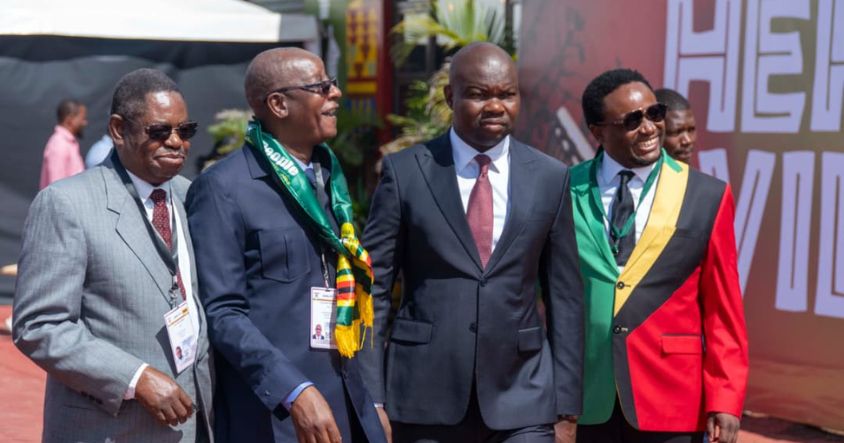
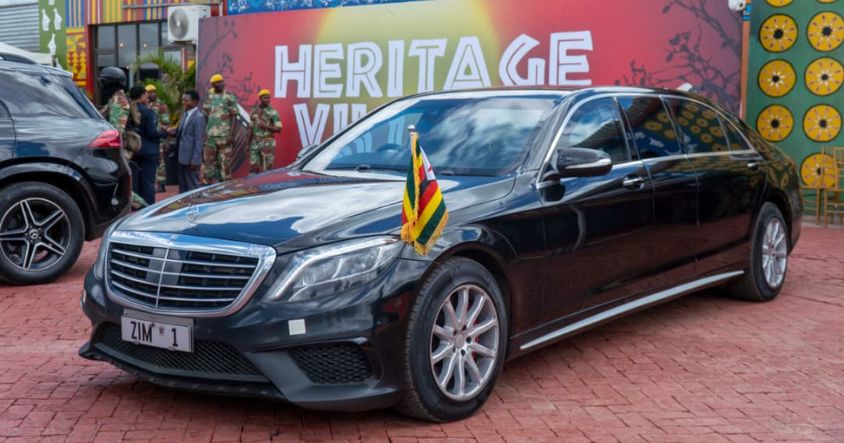
Next to the museum, Heritage Village serves as the day-to-day engine of activity at Liberation City.
Set out with thatched structures, courtyards and open lawns, the Village blends traditional African design with modern conference and hospitality facilities. It offers:
Covered pavilions suitable for seminars, workshops and retreats
Open-air spaces for cultural performances, festivals and community gatherings
Food and leisure areas where visitors can socialise, eat and relax between sessions
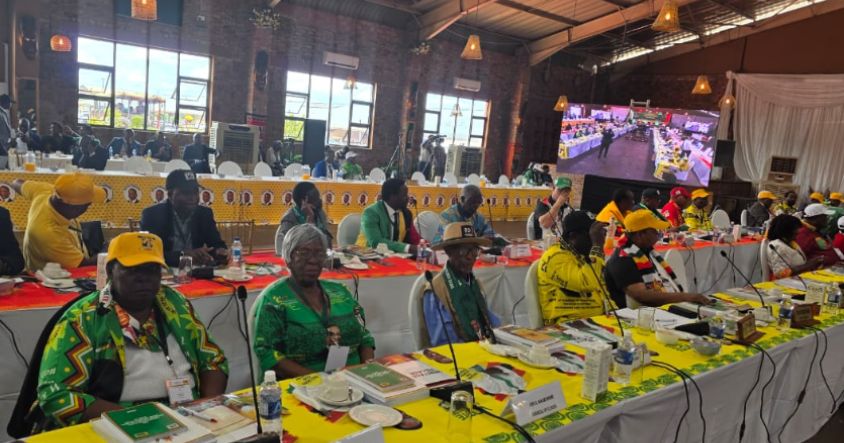
This layout allowed the Politburo seminar to move seamlessly between formal presentations and informal discussions, while keeping delegates in an environment that reflects Zimbabwean and African identity.
For many attendees, the experience differed from a conventional city hotel: panoramic views, traditional architecture and a constant visual reminder of the liberation narrative all shaped the atmosphere of the meeting.
A venue built for meetings, culture and tourism
The choice of the Museum of African Liberation and Heritage Village for a major strategic seminar has highlighted the site’s growing role in Zimbabwe’s Meetings, Incentives, Conferences and Exhibitions (MICE) sector.
With flexible halls, outdoor stages and catering facilities, the complex is now seen as a natural home for:
Policy dialogues and strategy sessions
Corporate and institutional retreats
Heritage-themed festivals and concerts
Community and educational programmes
Because it sits within a dedicated heritage precinct, the venue offers a layered experience for visitors.
Delegates can attend a conference in the Village, walk across to museum spaces, and then spend time in leisure and food areas without leaving the site.
This integrated approach is helping to turn Liberation City into a full-day destination for both local and international visitors, supporting nearby hotels, transport operators and service providers.
Heritage as a guide to the future
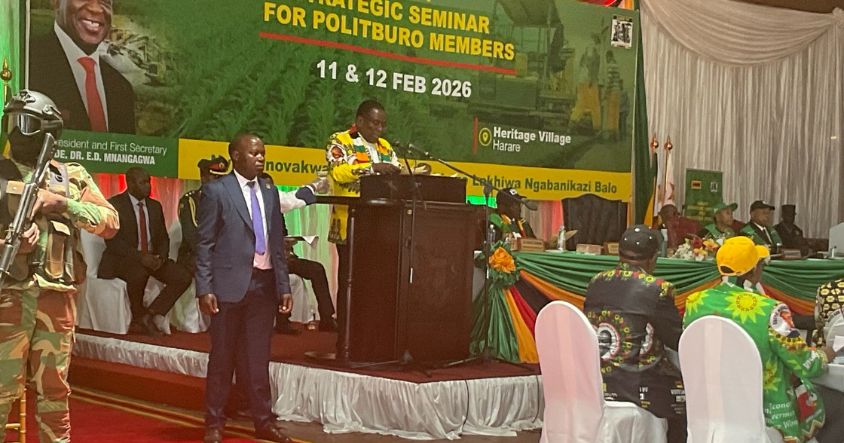
In his address, President Mnangagwa tied the venue directly to the country’s wider development goals, saying the current phase of nation building “demands political astuteness from the leadership as well as constitutional consciousness, ideological clarity and disciplined collective action” as Zimbabwe pushes towards Vision 2030.
While those remarks were directed at his audience, they also spoke to the role of the venue itself. The Museum of African Liberation and Heritage Village are being used not only to remember the past, but to host conversations about the future – from economic transformation to governance and social cohesion.
By bringing senior figures, cultural practitioners, business leaders and ordinary visitors into the same space, the complex is gradually becoming a meeting point between history, policy and everyday life.
A growing asset for Harare
For Harare, the rise of the Museum of African Liberation and Heritage Village represents more than a new landmark. It signals the city’s ambition to compete for major conferences and cultural events while showcasing its own story.
As construction and programming continue, the precinct is expected to attract more political gatherings, corporate events, school tours and tourists.
The President’s decision to highlight the venue in his speech, and to quote it as a “befitting setting”, is likely to strengthen that trajectory.
In the long term, the success of the complex will be measured not only by the number of visitors it attracts, but by how effectively it turns the memory of struggle into a living, accessible experience – one that informs how Zimbabwe presents itself to its citizens, its region and the wider world.