
MultiChoice, Africa’s largest pay-TV operator, is facing a period of transition after its acquisition by the global media giant Canal+, with the French company outlining plans to restructure operations and strengthen its presence across the continent.
In its 2025 full-year results and strategic update, Canal+ said it was now moving into the “execution phase” of its strategy following the takeover of MultiChoice, which owns major African entertainment brands including DStv, GOtv, SuperSport and M-Net.
The company said the integration would focus on improving profitability, expanding content offerings and repositioning MultiChoice to take advantage of Africa’s growing media market.
MultiChoice performance under pressure
The results showed that MultiChoice experienced a difficult financial year in 2025, with revenue and subscriber numbers declining.
According to the report, MultiChoice’s revenues fell by 6% to €2.4 billion, down from €2.54 billion in 2024. The company’s subscriber base also declined from 14.9 million to 14.4 million customers across its markets.
Adjusted earnings before interest and tax also dropped 14% to €159 million, reflecting the impact of rising costs and changing viewing habits.
Canal+ attributed the slowdown to several factors, including macro-economic pressures, currency fluctuations in key markets such as Nigeria, power outages affecting households and a challenging transition to streaming services.
The company also acknowledged that the costly development of its streaming platform Showmax had not delivered the expected results.
Canal+ takeover reshapes the business
The results come after Canal+ completed its takeover of MultiChoice in 2025 following regulatory approvals in South Africa and other jurisdictions.
After launching a mandatory tender offer to buy the remaining shares it did not own, Canal+ eventually secured full control of the company and delisted MultiChoice from the Johannesburg Stock Exchange in December 2025.
The deal marked a major shift in the African media landscape, creating a combined group with more than 40 million subscribers across more than 70 countries.
Canal+ executives said the merger would allow the group to scale its entertainment operations globally while strengthening its position in Africa, which it sees as a key growth market.
Strategic reset for MultiChoice
As part of its strategy, Canal+ is planning a series of operational changes aimed at turning around MultiChoice’s performance.
These include simplifying subscription packages, improving pricing structures and expanding distribution networks to attract new customers across African markets.
The group also plans to recruit more than 1,000 additional sales staff across MultiChoice territories to accelerate subscriber growth and strengthen on-the-ground commercial operations.
At the same time, cost-cutting measures are expected to be introduced across support functions, including restructuring within Irdeto, the technology and cybersecurity division owned by MultiChoice.
The company said these changes were intended to streamline operations while redirecting investment toward areas that directly support growth.
Showmax discontinued as part of restructuring
One of the most notable changes announced in the strategic update is the decision to discontinue Showmax, MultiChoice’s streaming platform.
Canal+ said the move was part of a broader effort to cut structural costs and accelerate operational synergies following the acquisition.
The streaming service had been a central part of MultiChoice’s digital strategy but struggled to compete with global platforms and required heavy investment.
Ending the service is expected to contribute to cost savings across the group and help redirect resources toward other areas of the business.
Africa remains central to growth plans
Despite the challenges faced by MultiChoice, Canal+ executives remain optimistic about the long-term potential of the African market.
Chief executive Maxime Saada described 2025 as a “transformational year” for the company following the acquisition and said the group was now well positioned to expand its entertainment platform globally.
Africa, he said, remains a strategic focus, with the group planning to strengthen local content production, sports rights and partnerships with global streaming platforms.
Canal+ also intends to pursue a secondary listing on the Johannesburg Stock Exchange in the near future, allowing African investors to participate in the combined group.
A changing pay-TV landscape
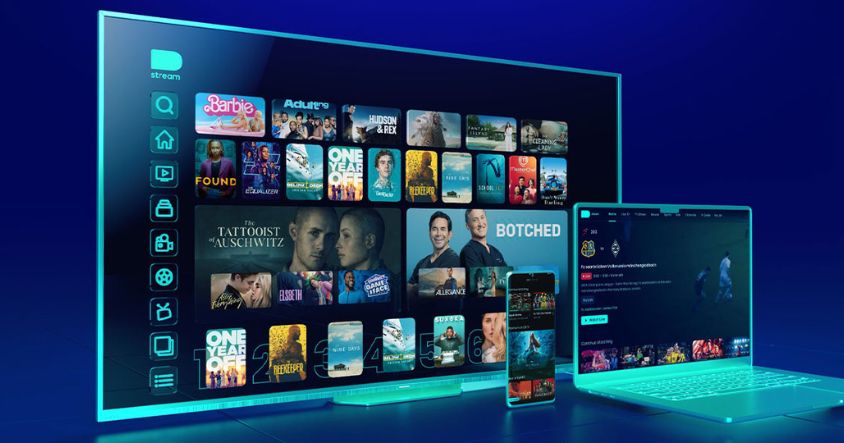
MultiChoice’s challenges reflect broader shifts in the global television industry as audiences increasingly turn to streaming platforms and on-demand content.
For decades, the company dominated pay-television across Africa through satellite services such as DStv and GOtv. But rising competition, economic pressures and changing consumer behaviour have forced traditional broadcasters to rethink their strategies.
With Canal+ now in control, the future of MultiChoice will depend on whether the new strategy can stabilise its subscriber base while expanding its reach in one of the world’s fastest-growing media markets.

Andrew Moyo is a veteran entertainment journalist with over a decade of experience. He has worked for some of the biggest publications in Zimbabwe including The Sunday Mail.