
How to Support Zimbabwean Music From Abroad
For millions of Zimbabweans living in the United Kingdom, South Africa, the United States, Australia and beyond, music is one of the most direct lines back home. It is the sound of a Sunday afternoon in Mbare, a wedding in Bulawayo or a school holiday in Mutare. It carries memory in a way that little else can.
But for many in the diaspora, the question of how to actively support the artists making that music, not just by listening, is one that rarely gets a clear answer.
Streaming numbers, social media engagement, merchandise sales and ticket purchases all feed directly into an artist’s career.
When the diaspora participates meaningfully, it moves the needle in ways that matter.
Here is a practical, up-to-date guide on exactly how you can support Zimbabwean music from wherever you are in the world.
1. Stream on the right platforms — and stream intentionally
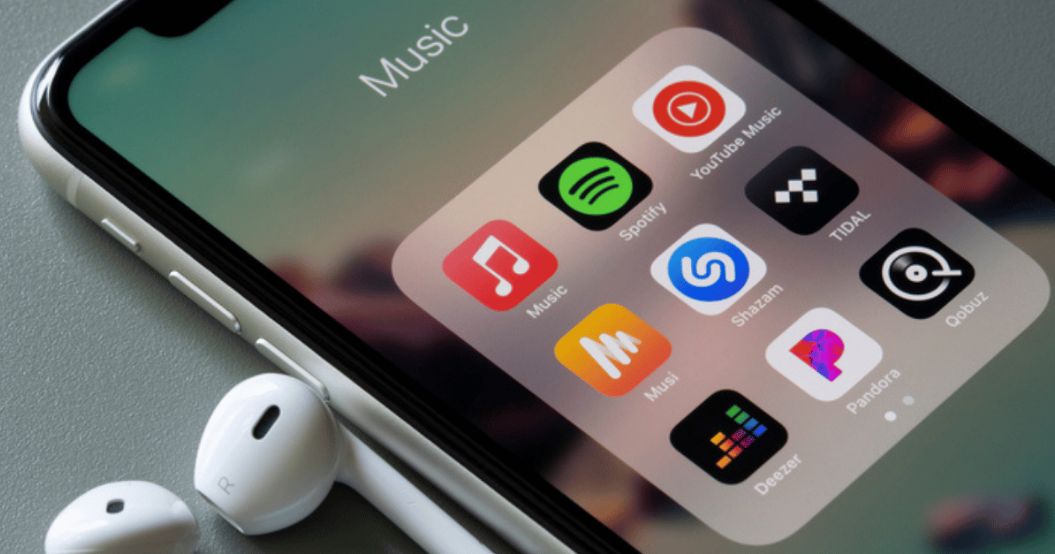
Streaming is the most accessible form of support, but not all streams are equal. The major platforms that pay royalties to artists include Spotify, Apple Music, Tidal, Amazon Music and YouTube Music. When you stream a Zimbabwean artist on any of these platforms, you are generating royalty income — small per stream, but significant at scale.
The key is intentionality. Adding a song to your library or playlist, replaying tracks and saving albums all signal to the algorithm that the content is worth promoting. On Spotify in particular, saves and playlist adds carry more weight than passive listening.
A few practical steps:
- Follow your favourite Zimbabwean artists on Spotify and Apple Music so their new releases appear in your feed.
- Add their songs to your personal playlists rather than just streaming from the artist’s page.
- Share Spotify links on your social media rather than YouTube rips, as every link you share that converts to a stream earns the artist money.
- Stream full albums, not just singles. Full album listens contribute to chart positions in certain markets.
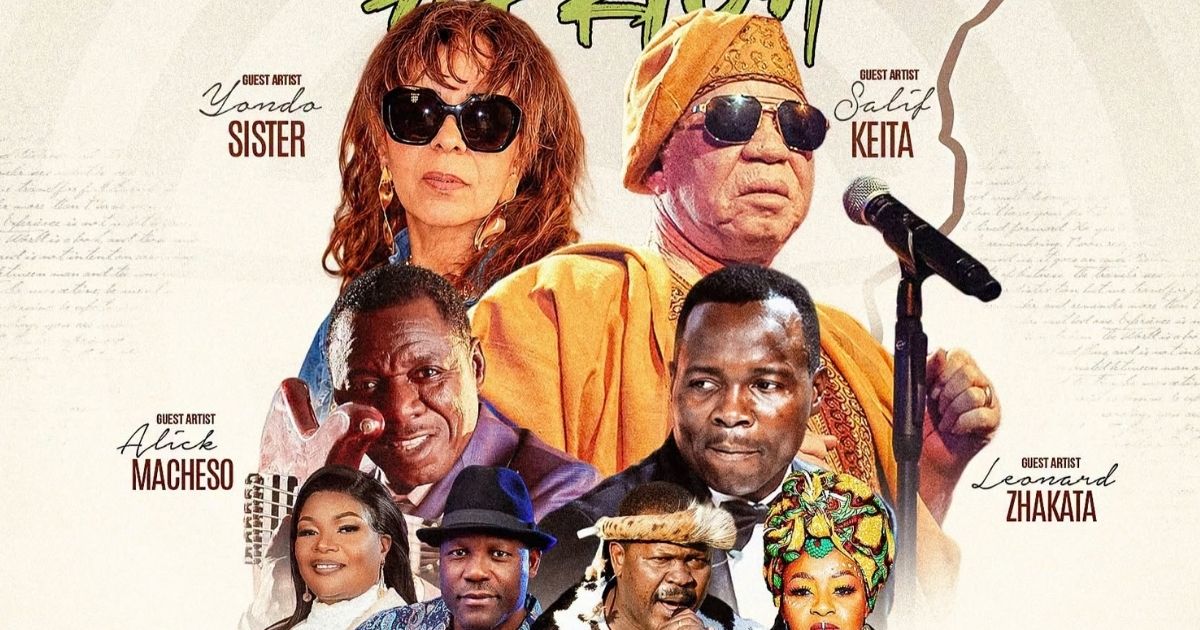
Artists to look up right now: Jah Prayzah, Winky D, Nitefreak, Jnr Spragga, Nutty O, Hulengende, Nisha Ts, Master H, Tocky Vibes, Holy Ten, Freeman HKD, Killer T and Alick Macheso, to name a few, all have catalogues available on major streaming platforms.
2. Support Zimbabwean music from abroad through social media
Social media reach is currency for artists. A post that gets shared, commented on or saved reaches a wider audience and costs you nothing.
For Zimbabwean artists building an international profile, diaspora engagement is particularly valuable because it demonstrates a global audience to promoters, labels and festival bookers outside Zimbabwe.
This means more than liking a post. Meaningful engagement looks like:
- Commenting with something substantive rather than just an emoji.
- Sharing posts to your stories on Instagram or Facebook, which puts the artist in front of your own network.
- Tagging friends who might not know the artist yet, as this is how new audiences are built.
- Engaging with YouTube videos by liking, commenting and watching until the end. YouTube’s algorithm rewards watch time, so a video you watch completely performs better than one you skip after 30 seconds.
On X (formerly Twitter), quoting posts with your own thoughts rather than simply retweeting adds more weight to the original content.
3. Buy music and merchandise directly
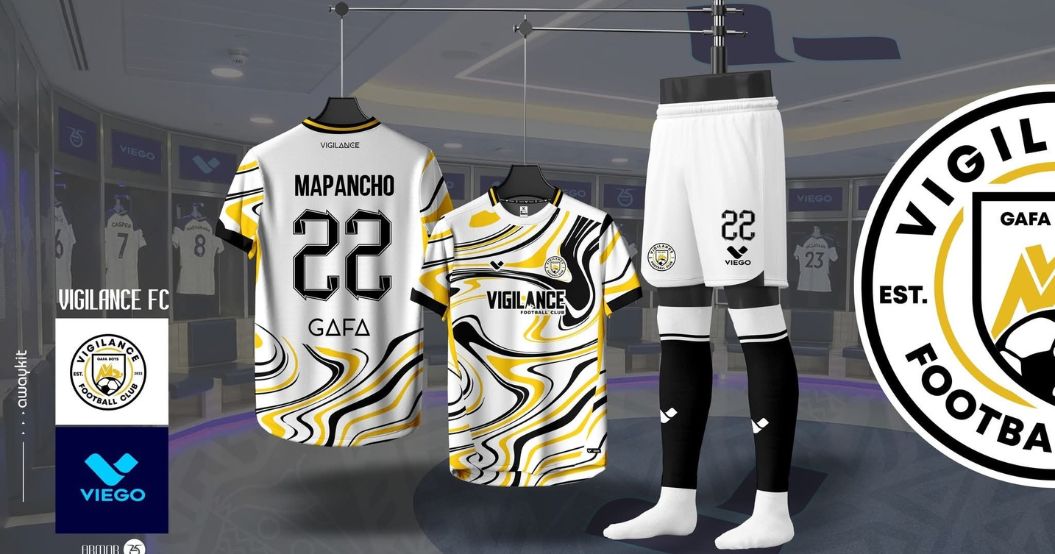
Streaming royalties, while meaningful, are fractional. Direct purchases, like buying an album, a digital download or merchandise, put significantly more money into an artist’s pocket.
Bandcamp remains one of the best platforms for this. Several Zimbabwean and African artists sell music directly through Bandcamp, where the artist keeps the majority of revenue.
Artists set their own prices, and fans can pay more than the listed amount if they choose.
Merchandise — T-shirts, caps, vinyl records, hoodies — is increasingly a primary revenue stream for artists globally, including in Zimbabwe.
Many artists now sell merch through their websites or social media pages and ship internationally.
Buying a piece of merchandise supports the artist financially and extends their brand visibility every time you wear it.
If a Zimbabwean artist you follow sells music or merch online, buying it directly rather than through a third-party reseller ensures the artist receives the full benefit.
4. Attend live events featuring Zimbabwean artists
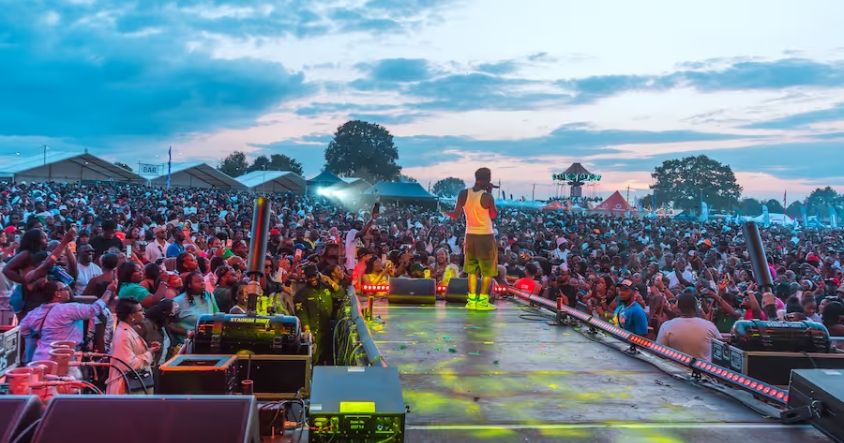
When Zimbabwean artists tour internationally or perform in cities with large diaspora populations — London, Johannesburg, Sydney, Toronto, New York — attending is one of the most powerful forms of support.
Concert revenue is significant, and a sold-out show in a diaspora city does real things for an artist’s international profile.
Early ticket purchases matter particularly. Event promoters and venues make decisions about future shows partly based on how quickly tickets sell. An artist who sells out a London venue quickly is far more likely to be booked again, at a bigger venue, and with better terms.
Watch for announcements from promoters in your city who regularly bring Zimbabwean acts abroad. Following artists on social media is the most reliable way to catch tour announcements early.
If attending in person is not possible, some events now offer livestream ticketing — purchasing a livestream ticket still contributes financially to the event.
5. Request Zimbabwean music on radio
Radio remains one of the most powerful discovery mechanisms for music, particularly in the UK and South Africa. African community radio stations, as well as mainstream stations with dedicated African music shows, respond to listener requests.
In the UK, stations such as Colourful Radio, Choice FM and BBC 1Xtra’s African music programming actively take requests and track what their audiences want to hear.
In South Africa, Metro FM, YFM and Ukhozi FM reach millions of listeners and have dedicated slots for regional and pan-African music.
Requesting a Zimbabwean artist’s song via the station’s app, website, or social media takes less than a minute and can introduce an artist to a listener base of hundreds of thousands.
6. Support music journalism and coverage
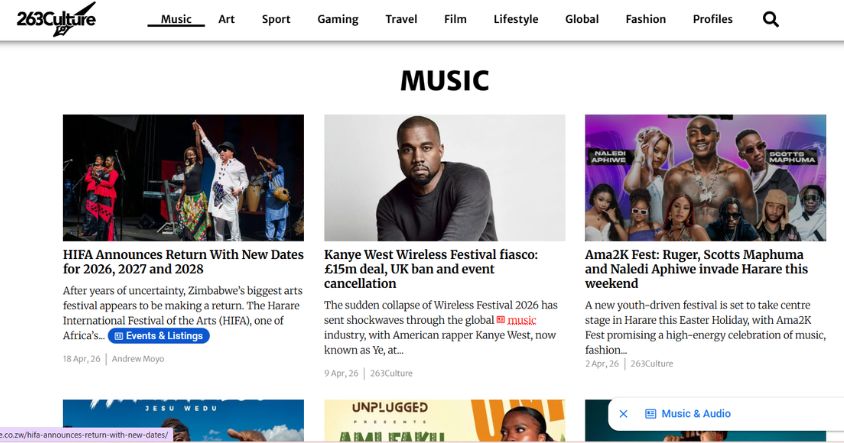
The ecosystem around music matters as much as the music itself. Reviews, interviews, profile features and news articles about Zimbabwean artists all contribute to their visibility and searchability online.
An artist with strong press coverage is easier to discover, easier to book and easier to pitch to international platforms.
Supporting publications like 263Culture that cover Zimbabwean music means reading articles, sharing them, subscribing to newsletters and engaging with content rather than consuming it passively.
When diaspora audiences drive traffic to music journalism about Zimbabwean artists, it creates a commercial case for more of that coverage.
Word of mouth remains powerful too. If you discover a Zimbabwean artist through an article or recommendation, telling a friend in a message, a conversation or a social post continues the chain.
7. Contribute to crowdfunding and fan platforms
A growing number of artists globally use platforms like Patreon, Ko-fi and GoFundMe to fund projects directly through their fanbase, recording new albums, shooting music videos and funding tours. Some Zimbabwean artists have begun using these platforms, and diaspora fans with access to international payment methods are often best placed to contribute.
Following an artist’s social media and staying tuned to their announcements is the best way to know when a fundraising campaign launches.
Even small recurring contributions through a platform like Patreon — a few dollars a month — can make a meaningful collective difference when enough fans participate.
8. Use your professional networks
This is an underused form of support. Many members of the diaspora work in industries that intersect with the music world, and these include marketing, events, media, hospitality, technology and law.
If you are in a position to recommend a Zimbabwean artist for a corporate event, introduce a promoter to an artist you rate, suggest a music supervisor consider a Zimbabwean track, or connect an artist with a booking agent, that kind of advocacy opens doors that streams and social follows cannot.
The global recognition of Afrobeats was built not just on great music, but on a network of diaspora professionals who believed in it and put it in rooms where decisions are made.
Zimbabwean music has the quality. It needs the network.
The bigger picture
Zimbabwe has produced music of extraordinary depth and variety, from the mbira traditions that predate colonialism to the global spread of house music, Zimdancehall and sungura.
The artists carrying these traditions forward, and the ones building something entirely new, are doing so largely without the infrastructure that artists in wealthier markets take for granted.
The diaspora’s role is not charity. It is recognition, an acknowledgement that this music is worth valuing, worth paying for and worth telling the world about.
Every stream, every share, every ticket and every conversation is a vote for the idea that Zimbabwean culture belongs on the world stage.
Because it does.