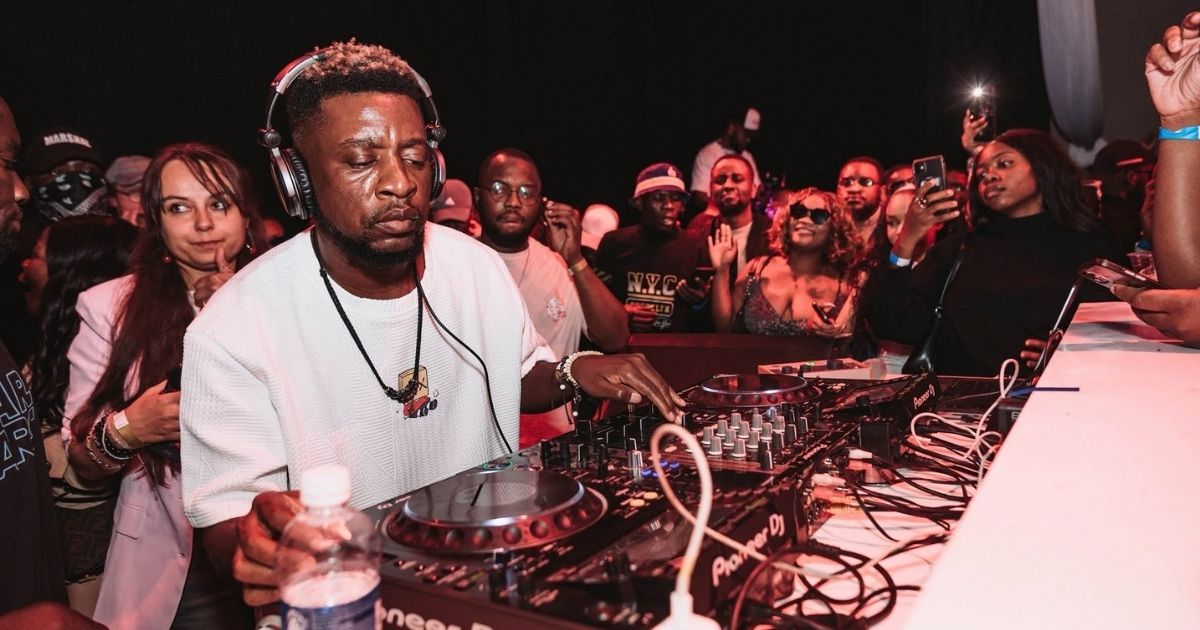
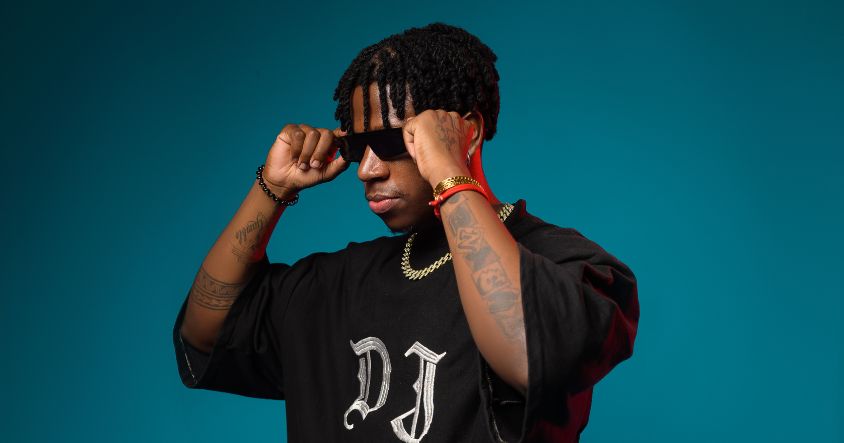
In Zimbabwe’s fast-evolving music landscape, a new generation of DJs and producers is redefining the sound of the dancefloor. Among them is DJ Spunj, born Panashe Mbanje, a rising figure credited with helping to ignite the Amapiano movement locally while building a reputation that is beginning to stretch beyond the country’s borders.
Early life and background
DJ Spunj was born on 16 February 1999 in Harare, where he also grew up, moving between Chadcombe, Belvedere and Marlborough.
His early years were not defined by music alone. Instead, he was deeply immersed in sport, attending St John’s Preparatory School before earning a sports scholarship to Hellenic Academy.
At Hellenic, he excelled across multiple disciplines, eventually captaining the school’s hockey team in his final year in 2017 and representing Zimbabwe at a competitive level. At the time, a professional sporting career appeared to be his most likely path.
However, like many young athletes, his trajectory shifted dramatically during the global disruption caused by the COVID-19 pandemic, which forced him to return home from Spain and reconsider his future.
From uncertainty to the DJ booth
Back in Harare and uncertain about his next move, DJ Spunj found an unexpected opportunity through family. His cousin, Danny Vibes—one of Zimbabwe’s established DJs—introduced him to the craft.
What began as a casual lesson quickly turned into a defining moment. Within a day of learning the basics, he was performing live sets, often for hours at a time. That rapid immersion laid the foundation for what would become a full-time career.
Now with four years of experience as a DJ and having added music production to his skillset in 2025, DJ Spunj describes his journey as one driven by both passion and purpose.
Amapiano influence and musical direction
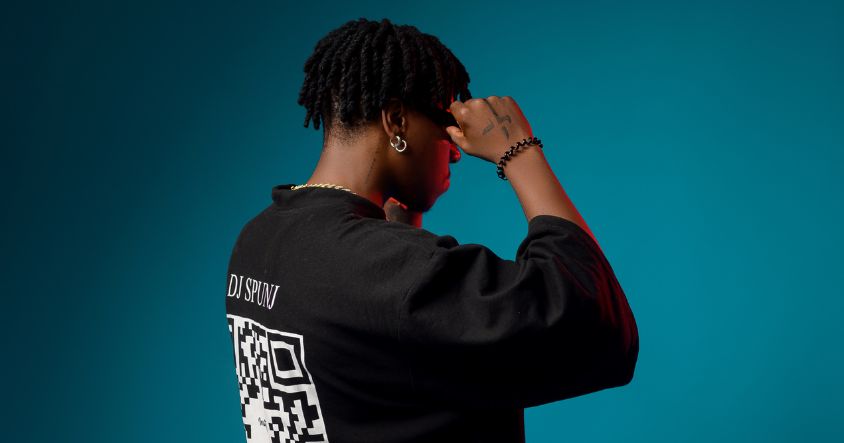
Like many DJs across Southern Africa, DJ Spunj draws inspiration from the Amapiano wave that has swept the continent. He points to artists such as Kabza De Small as key influences, particularly in demonstrating the power of producing original music rather than only playing existing tracks.
This shift has shaped his ambitions. Determined to contribute more meaningfully to the industry, he began producing his own music in collaboration with producer Verseless, focusing on developing a distinctly Zimbabwean take on Amapiano and related sounds such as 3-step.
His goal, he says, is to create music that matches the quality and global appeal of South African productions while reflecting local identity.
Performances and growing profile
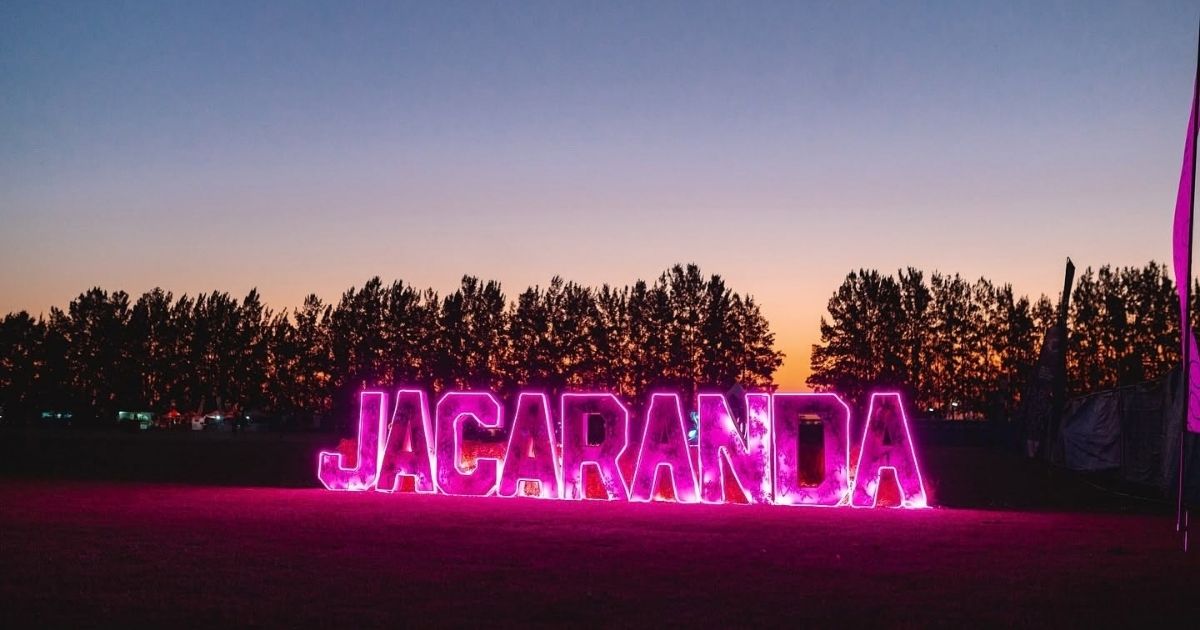
DJ Spunj has become a regular fixture in Harare’s nightlife scene, performing weekly at Karma Black while also appearing at major events such as the Carpe Diem Festival and the Jacaranda Music Festival.
These platforms have helped elevate his profile, placing him alongside some of the country’s most recognised DJs and entertainers.
Among his career highlights is touring Rwanda with Jamaican dancehall artist Demarco, an experience that marked his first significant international exposure.
Breakthrough moments in production
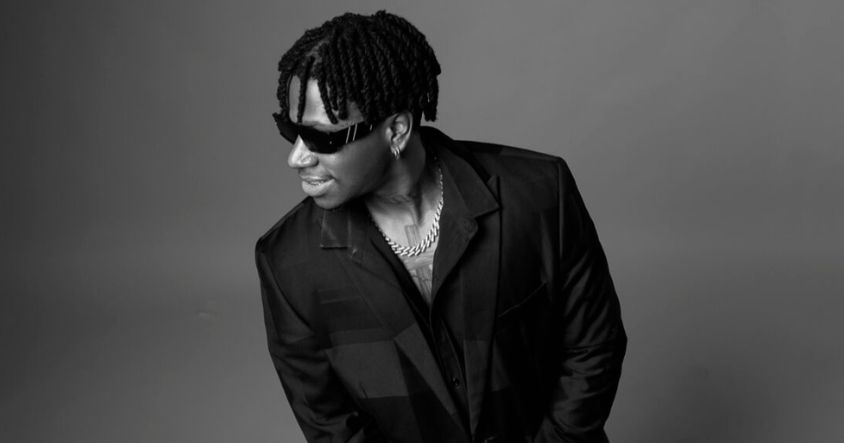
While his DJ career has grown steadily, his work as a producer has delivered some of his most notable achievements.
In his first year, DJ Spunj secured official Amapiano remixes for leading Zimbabwean artists, including Takura and Janet Manyowa. For a relatively unknown producer, such collaborations are rare and signal strong industry recognition.
More recently, he signed with WorldGoRound, a UK-based record label, a move that could open doors to international markets and collaborations.
The state of DJs in Zimbabwe
DJ Spunj believes Zimbabwe’s DJ community is at a turning point. While opportunities are growing, he argues that greater unity and collaboration are needed to strengthen the industry.
He notes that DJs have historically been viewed as secondary players, simply curators of music rather than creators. However, the rise of DJ-producers is beginning to shift that perception, placing DJs on equal footing with vocalists and recording artists.
“Creating our own music is what earns respect,” he suggests, pointing to the global success of producer-led movements as evidence of this shift.
Looking ahead
For DJ Spunj, the future remains open but ambitious. He envisions becoming a household name both in Zimbabwe and internationally, driven by a combination of faith, persistence and creative vision.
As Zimbabwe’s Amapiano scene continues to develop, artists like DJ Spunj are positioning themselves at its forefront, bridging local talent with global trends and shaping a sound that reflects a new era in the country’s music industry.