
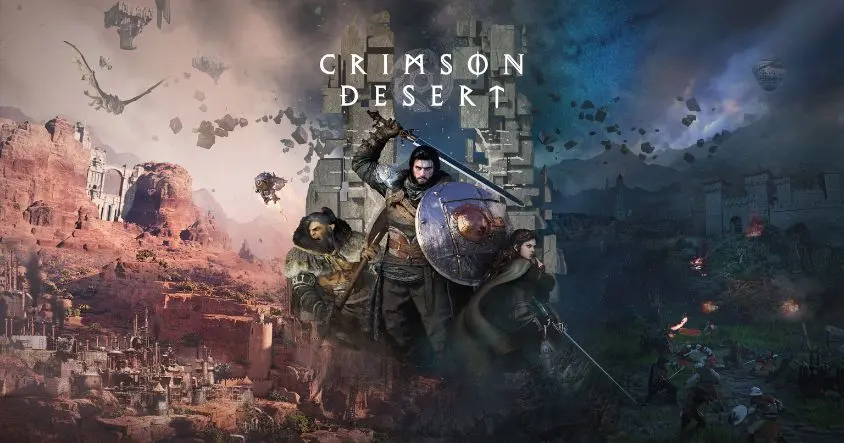
The long-awaited open-world adventure Crimson Desert arrives with towering ambition. This sprawling, systems-heavy experience seeks to combine the best elements of modern blockbuster games into one unified world.
Developed by Pearl Abyss, the studio behind Black Desert Online, the title has been positioned as a next-generation evolution of the open-world formula.
But while its scale is undeniable, early critical impressions suggest a game that struggles to balance its many moving parts.
A world inspired by giants
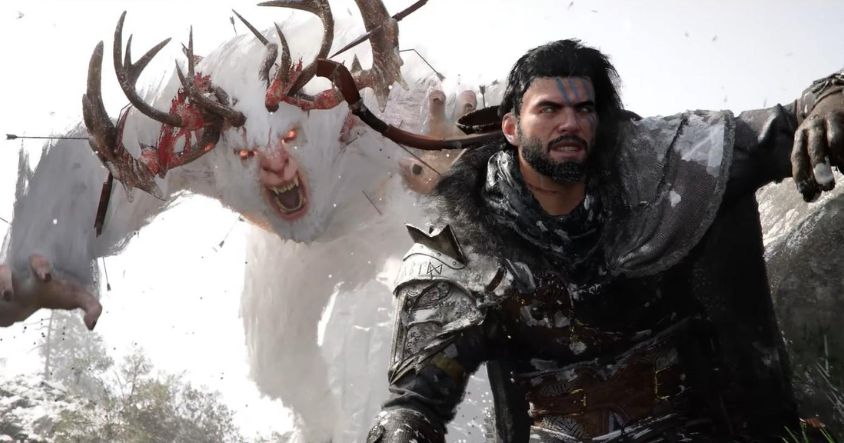
From the outset, Crimson Desert wears its influences openly. Critics have drawn comparisons to genre-defining titles such as The Witcher 3: Wild Hunt, Red Dead Redemption 2, and The Legend of Zelda: Tears of the Kingdom.
There are slow-burning horseback journeys, dynamic world events, and freeform exploration that encourage players to carve their own path. At times, the game even echoes the unpredictable sandbox design seen in Grand Theft Auto V and The Elder Scrolls V: Skyrim.
This blend creates moments of genuine wonder. Players can hunt wildlife, manage settlements, take part in minigames like fishing and gambling, or simply wander across vast, living landscapes. Non-playable characters follow daily routines, adding a sense of realism that makes the world feel alive.
Spectacle and scale impress
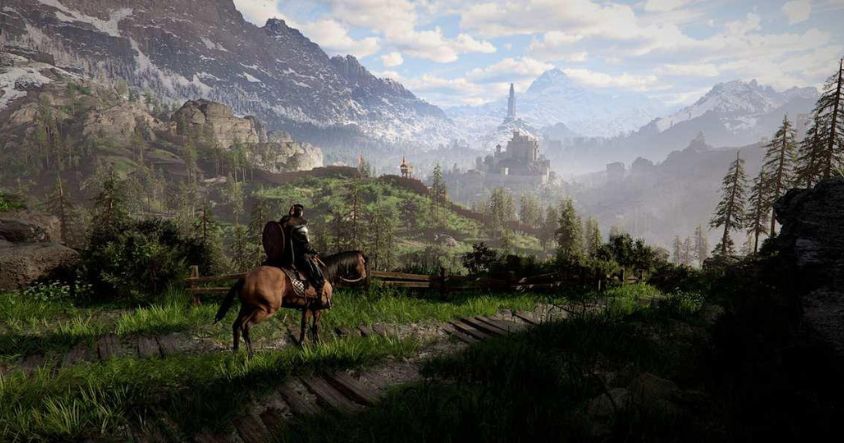
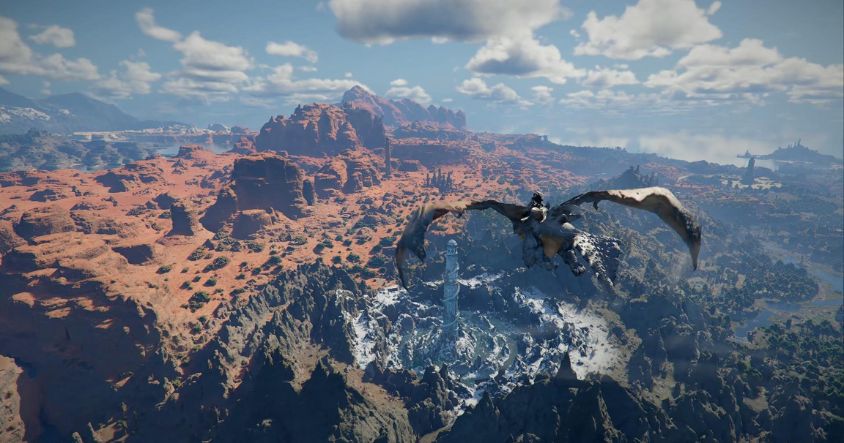
Where Crimson Desert excels most is in its presentation. The game’s world is richly detailed, with sweeping vistas, bustling towns, and large-scale battles that showcase impressive technical performance.
Even across varied hardware, the game has been praised for maintaining stability while rendering dense, active environments. From a distance, its landscapes are often striking, delivering the kind of visual spectacle expected from modern AAA productions.
There are also flashes of brilliance in gameplay variety. One moment, players may manage resources and dispatch allies on missions; the next, they may engage in high-energy combat or explore hidden corners of the map.
Crimson Desert Combat and systems under strain
Yet beneath this spectacle lies a more uneven experience.
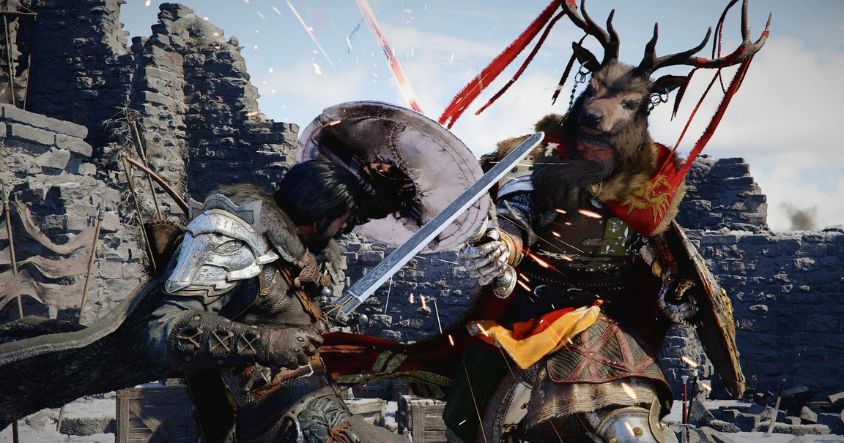
Combat, a central pillar of the game, has drawn criticism for its pacing and structure. Encounters often stretch on for extended periods, with waves of enemies appearing in large numbers. While this can create cinematic moments, it also leads to fatigue, particularly during routine exploration.
Boss fights, in particular, stand out for their difficulty spikes and tonal inconsistency. Borrowing elements from “soulslike” design, these encounters can feel disconnected from the rest of the game’s more casual combat systems, disrupting the overall flow.
Other gameplay systems also show signs of strain. Inventory limitations, for example, force players to discard valuable items, while the absence of storage options at launch has been widely noted as a surprising omission for a game of this scale.
Storytelling falls short
Perhaps the most consistent criticism surrounds the narrative.
Despite an apparent emphasis on cinematic storytelling — complete with frequent cutscenes and dialogue-heavy sequences — the game’s plot and characters have struggled to resonate with players.
Reviewers describe an unfocused storyline, with underdeveloped character arcs and dialogue that often fails to engage.
This creates a disconnect between the game’s ambitions and its emotional impact. While the world invites exploration, the story rarely provides a compelling reason to invest in it.
Technical issues and design frustrations
Like many large-scale open-world titles, Crimson Desert is not without technical challenges.
Players have reported bugs ranging from minor visual glitches to more serious issues affecting progression. In some cases, quests fail to trigger correctly, requiring players to reload earlier saves — a potentially significant setback in a game that can exceed 100 hours.
Design choices have also raised questions. Puzzle mechanics can feel unintuitive, stealth sections underdeveloped, and control schemes overly complex. These elements contribute to a sense that the game is attempting too much at once, without fully refining each system.
A bold but flawed adventure
Ultimately, Crimson Desert is a game defined by its ambition.
It offers a vast and visually stunning world filled with possibilities — a playground for players who enjoy exploration and experimentation. At its best, it delivers memorable moments that capture the magic of open-world gaming.
However, that ambition also proves to be its greatest weakness. By trying to incorporate so many ideas, the game struggles to achieve the polish and cohesion seen in the titles it draws inspiration from.
The result is an experience that is as impressive as it is inconsistent — a “jack of all trades” that may still find an audience among players willing to overlook its flaws in favour of its scale and creativity.