Zimbabwe is preparing to host a major international museum conference (CIMAM 2026) for the first time on African soil, bringing global cultural leaders to Harare for discussions that could challenge how museums operate and whose histories they tell.
The 58th Annual Conference of the International Committee for Museums and Collections of Modern Art (CIMAM) will take place from 20 to 22 November 2026, hosted by the National Gallery of Zimbabwe.
Hundreds of museum directors, curators, researchers and cultural professionals are expected to attend the gathering, which marks the first time the organisation has brought its flagship conference to Africa.
The first international delegates have already begun arriving in Harare.
But beyond the attention surrounding the event, its significance lies in a wider debate about the place of African museums in shaping international cultural practice.
For decades, many of the standards governing how museums collect, preserve and present art have been shaped by institutions in Europe and North America.
The Harare gathering seeks to bring different perspectives into those discussions, with African cultural knowledge, community traditions and institutional experiences taking a central role.
Why was Harare chosen to host CIMAM 2026?
CIMAM was founded in 1962 and serves as an international network for professionals working in modern and contemporary art museums.
Although its annual meetings have been held in different parts of the world, the conference had never previously taken place in Africa.
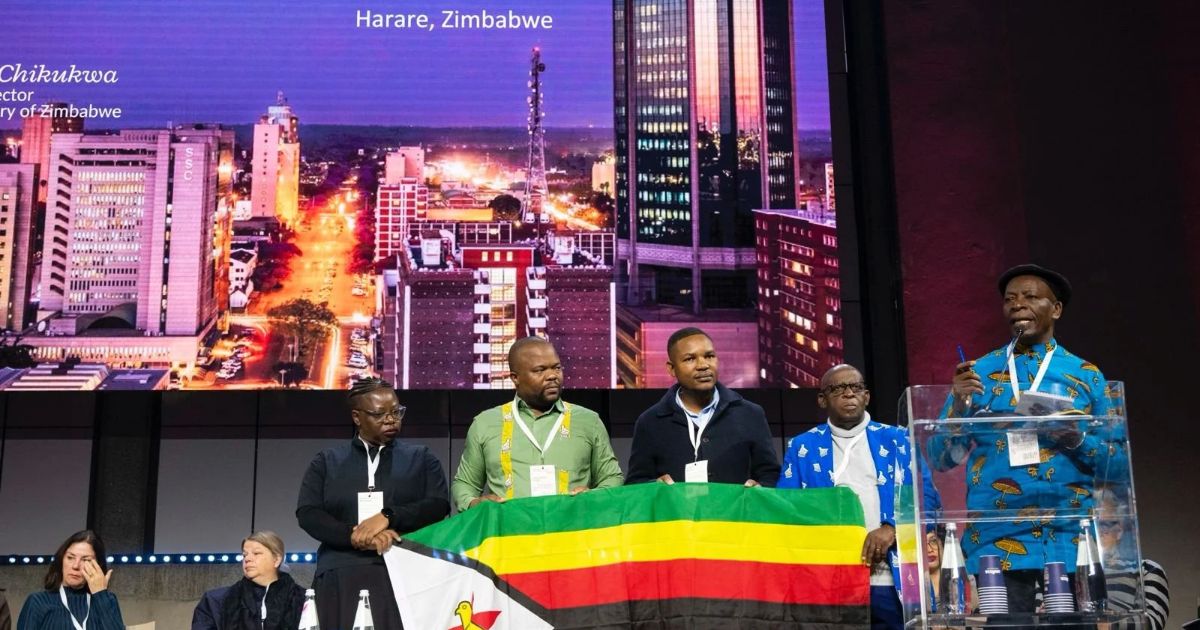
The move to Zimbabwe followed discussions in 2022, when National Gallery of Zimbabwe executive director Raphael Chikukwa attended a CIMAM conference in Palma de Mallorca, Spain.
According to CIMAM, conversations during that gathering helped lay the groundwork for Harare’s selection.
The decision comes as museums face increasing pressure to examine their colonial histories, reconsider how collections were acquired and strengthen their relationships with the communities they represent.
For Zimbabwe, hosting the conference offers an opportunity to participate directly in discussions that influence the international museum sector.
It also provides a platform for the country’s artists and cultural institutions to engage with museum professionals from across the world.
What will museum leaders discuss in Zimbabwe?
The conference will take place under the theme Museums Beyond Limits: Imagining Repair Across Cultures, Ecologies and Knowledges.
Its programme addresses questions about cultural restitution, institutional authority, environmental responsibility and the role museums play in society.
The opening day, titled Good Museum Practice, will examine whether established international standards adequately reflect the needs of institutions operating in different cultural and economic environments.
Discussions will include the return of cultural objects, museum funding, ethical governance and the rebuilding of trust between institutions and communities.
The second day, Tools of Transformation, will focus on how technology, research and new approaches to museum work can support institutional change.
The final day will examine Radical Hospitality, exploring how museums can become more accessible and inclusive spaces.
These issues are particularly relevant to African institutions, where the legacy of colonial collecting practices remains part of wider debates about cultural ownership and representation.
The conference will also consider approaches to museum practice that place greater emphasis on community participation, shared knowledge and cultural responsibility.
What could CIMAM 2026 mean for the National Gallery of Zimbabwe?
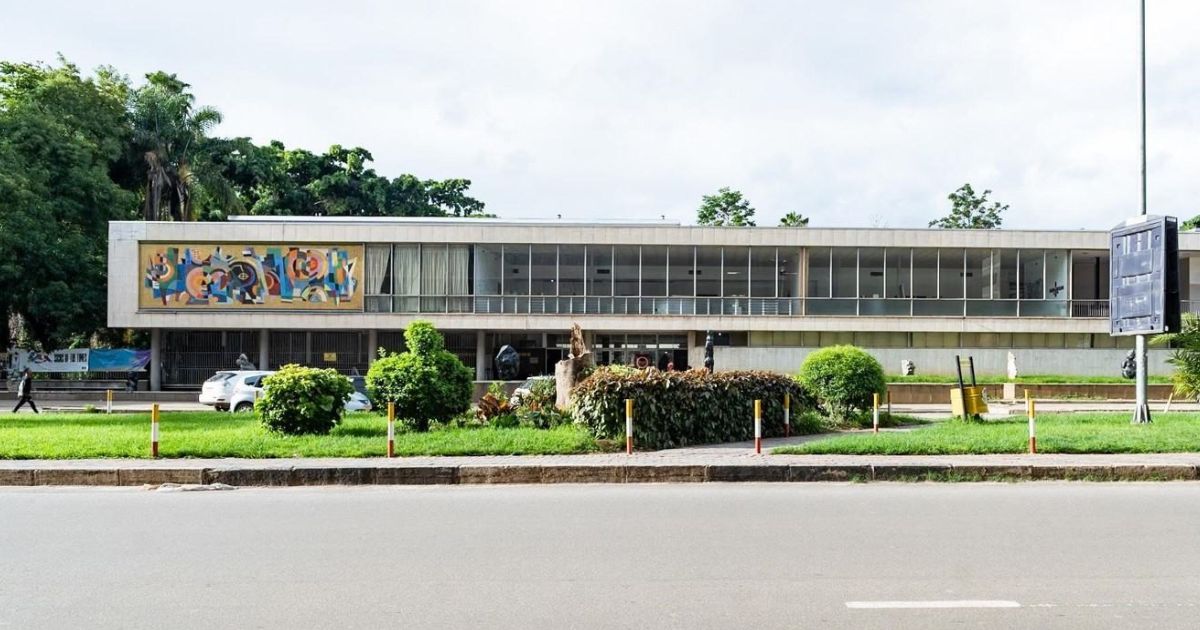
Established in 1957, the National Gallery of Zimbabwe has played a central role in the country’s visual arts sector, supporting artists and preserving artistic heritage.
Hosting CIMAM represents an opportunity to strengthen its international profile and develop relationships with cultural institutions beyond Zimbabwe.
Chikukwa said that preparations for the conference were at an advanced stage.
“It’s a huge milestone to be hosting international visitors in Zimbabwe,” he said.
The conference programme includes visits to local galleries, artist-led initiatives and cultural spaces, giving delegates an opportunity to engage directly with Zimbabwe’s creative community.
The programme includes First Floor Gallery Harare, Village Unhu, Dzimbanhete Art Interactions and Chitungwiza Arts Centre.
These institutions form part of a wider artistic landscape that includes independent galleries, community-based spaces and studios supporting contemporary Zimbabwean art.
International exposure could help strengthen connections between local artists, curators and institutions involved in exhibitions, research and cultural exchange.
However, whether those connections result in lasting partnerships will become clearer after the conference.
Can the conference strengthen African museums?
Beyond Zimbabwe, the gathering raises questions about the challenges faced by museums across Africa.
Limited resources can affect conservation, professional training, research, digitisation and participation in international cultural networks.
Access to global conferences can also be difficult for professionals working in institutions with restricted travel budgets.
CIMAM has announced that 42 museum and contemporary art professionals from 26 countries have received travel grants to attend this year’s conference.
The grants are intended to support wider participation in international discussions and encourage exchanges between professionals working in different institutional settings.
But participation alone does not guarantee long-term change.
One question is whether the relationships established in Harare will lead to practical collaboration, including joint research, professional exchanges and stronger networks between African museums.
The conference also provides an opportunity to consider what international institutions can learn from African approaches to cultural preservation.
Across the continent, cultural knowledge is preserved not only through physical objects but also through oral traditions, community relationships and living practices.
Such approaches can challenge conventional ideas about museums as institutions primarily concerned with collecting and displaying objects.
Will Harare 2026 leave a lasting legacy?
Hosting the conference is a significant moment for Zimbabwe’s cultural sector, but its longer-term impact remains uncertain.
The gathering is expected to give local artists and institutions greater exposure while opening discussions about funding, cultural cooperation and museum development.
For African museum professionals, it provides a chance to influence debates about how museums should operate in an increasingly interconnected world.
The challenge will be translating those discussions into measurable outcomes.
New institutional partnerships, professional development opportunities, collaborative exhibitions and support for conservation or research could offer indications of the conference’s impact in the years ahead.
There is also the question of whether African museums will gain a more influential role in setting international priorities, rather than simply participating in conversations shaped elsewhere.
For the National Gallery of Zimbabwe, the arrival of CIMAM is already a milestone.
What remains to be seen is whether the discussions in Harare will produce lasting changes in how museums work, whose knowledge they value and the communities they serve.
For Zimbabwe, the significance of CIMAM 2026 may ultimately be measured not by the number of international delegates it attracts, but by the opportunities and partnerships that remain after they leave.