Thousands of spectators are expected to gather in the heart of Zimbabwe’s capital this weekend as the nation’s premier traditional dance competition, Chibuku Neshamwari 2026, reaches its grand finale.
The Chibuku Neshamwari Traditional Dance Festival, widely considered the cornerstone of Zimbabwe’s cultural calendar, will hold its 2026 National Finals on Saturday, 1 August, at the Harare Gardens.
The event marks the culmination of a gruelling three-month nationwide search for the country’s most exceptional traditional dance talent.
Ten provincial champions, each representing the distinct heritage of their respective regions, will compete for national prestige and a life-changing financial reward.
Organisers have confirmed that public entry to the venue will be entirely free, a deliberate move to ensure that the celebration of indigenous heritage remains accessible to all citizens regardless of their economic standing.
Performances are scheduled to commence at 10:00 local time and will continue well into the evening.
Now in its 61st year, the festival is a collaborative effort spearheaded by Delta Beverages, a subsidiary of Delta Corporation, in partnership with the National Arts Council of Zimbabwe (NACZ) and the Zimbabwe National Traditional Dancers Association (ZNTDA).
For more than six decades, Chibuku Neshamwari has served as a critical safeguard for Zimbabwe’s intangible cultural heritage, ensuring that ancient rhythms, ancestral choreographies, and traditional storytelling are not lost to rapid modernisation and urbanisation.
The road to Harare Gardens
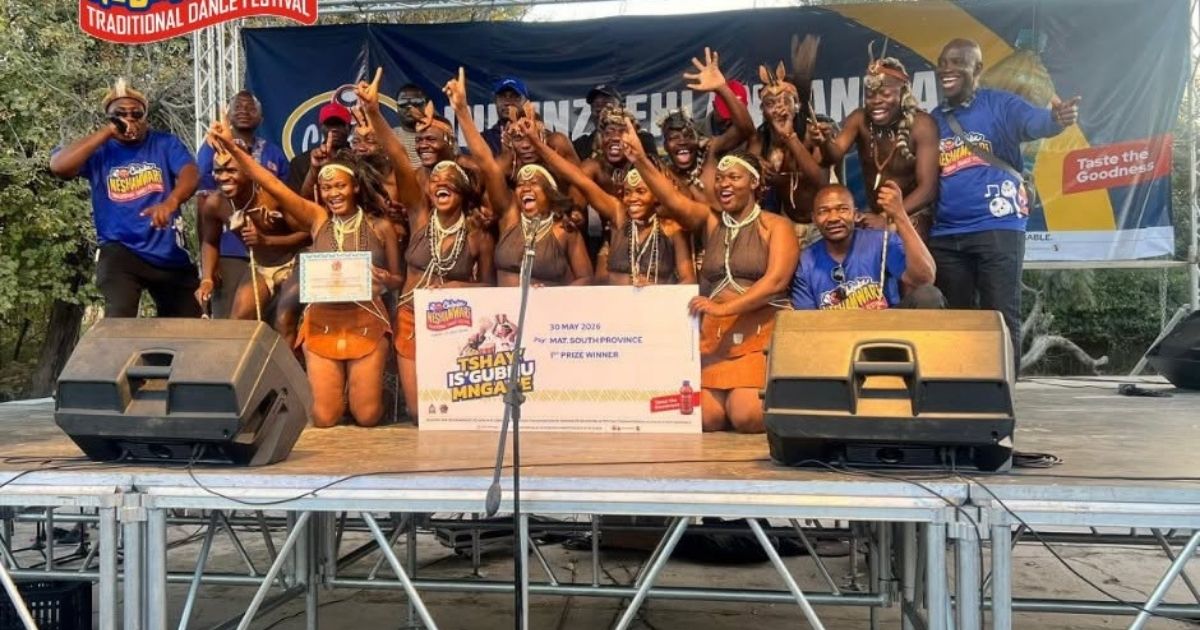
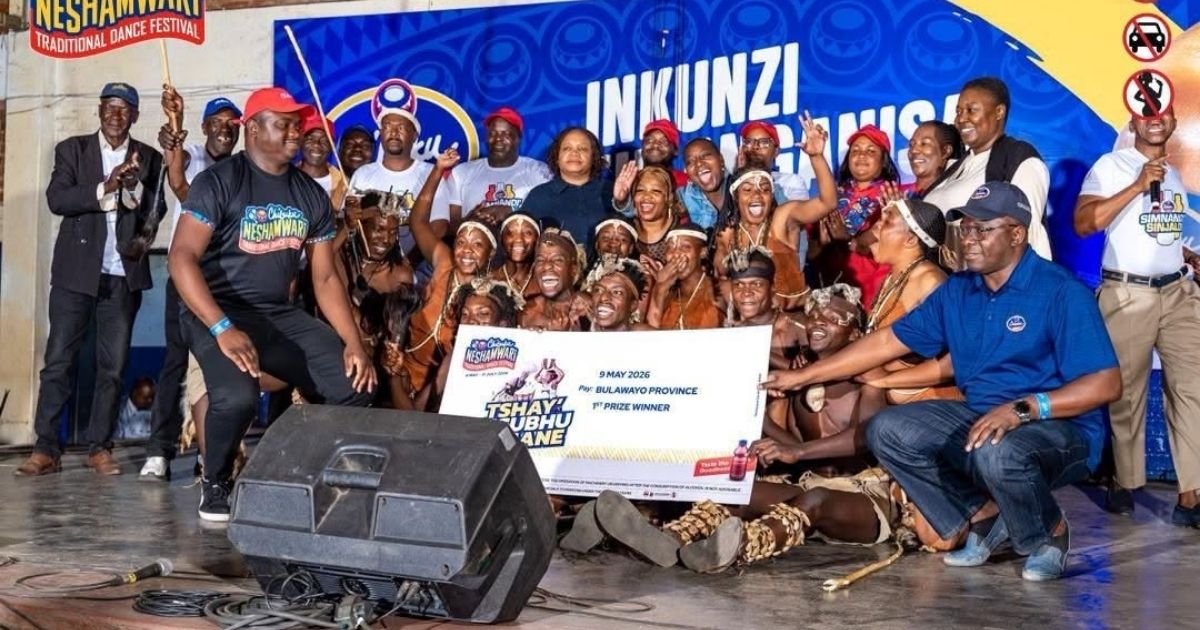
The journey to this weekend’s finale began nearly three months ago. On 9 May 2026, the festival launched its provincial qualifier programme in the southern city of Bulawayo.
Over subsequent weeks, the competition travelled relentlessly across the country, transforming local venues into vibrant arenas of cultural expression.
From the Manor Hotel in Bulawayo to Werras Park in Harare’s Glen View suburb, and the Patsime Tavern in the midlands city of Kwekwe, community arts groups battled for regional supremacy.
At each of these provincial showdowns, the winning ensemble was awarded a cash prize of US$2,500, effectively securing their golden ticket to the national finals in Harare.
The runners-up in these regional heats did not leave empty-handed, receiving US$1,500 and US$1,000 for second and third places, respectively.
The grassroots nature of these qualifiers is central to the festival’s ethos.
By holding preliminary rounds in community hubs, beerhalls, and local taverns, the event maintains a deep, organic connection with the working-class populations who have historically been the custodians of these traditional arts.
A substantial economic lifeline
While the preservation of cultural heritage remains the festival’s primary objective, the financial incentives on offer this weekend are undeniable.
The group that successfully captures the imagination of the judges on Saturday will walk away with a grand prize of US$15,000. The ensemble finishing in second place will secure US$10,000, while the third-place performers will be awarded US$7,500.
In Zimbabwe’s current economic climate, such sums are transformative.
For community-based arts organisations, many of which operate on entirely voluntary bases, this injection of capital is vital.
It allows groups to replace worn traditional instruments, commission high-quality authentic costumes from rural artisans, and fund administrative costs for future tours.
Furthermore, the prize money often trickles down directly into the local economies of the winning communities, supporting the livelihoods of the dancers, musicians, and their extended families.
Ten provinces, one national stage
The lineup for Saturday’s spectacle is a masterclass in Zimbabwe’s rich demographic and cultural diversity.
Ten different ensembles will take to the stage, each executing highly specific regional choreographies.
The confirmed provincial representatives are:
Harare: Shingai Dance Troupe, performing the Mbakumba dance.
Bulawayo: Ezimnyama Arts Ensemble, performing the Tsutsube dance.
Masvingo: MUSA, performing the Bira reVadzimu.
Manicaland: Dapuraunanzva Dance Ensemble, performing the Mbakumba.
Mashonaland Central: Dzimbahwe Nengoma, performing the Chinyambera.
Mashonaland East: Marondera Gure Arts Group, performing the Chewa Gulewankulu.
Mashonaland West: Pisa Pisa Nyau, performing the Malawi Gulewankulu.
Matabeleland North: Amakhosikazi, performing the Isitshikitsha.
Matabeleland South: Bolamba Culture Birds, performing the Tsutsube.
Midlands: Chipolopolo Zambia Nyau, performing the Zambia Nyau.
Deconstructing the dances
To the uninitiated observer, the festival is a whirlwind of colour, kinetic energy, and thunderous drumming.
But every step, chant, and instrument holds profound historical significance. The dances on display are living archives of Zimbabwean history.
Mbakumba, traditionally associated with the Karanga people of Masvingo and the Midlands, is a joyous polyrhythmic dance originally performed to celebrate a successful agricultural harvest. It is characterised by intricate footwork and a celebratory tone, serving as a communal expression of gratitude for the earth’s bounty.
Isitshikitsha, historically rooted in the Ndebele culture of the country’s south and west, was traditionally reserved for royal gatherings, weddings, and ceremonial occasions. It is a highly energetic dance defined by rhythmic stomping, vigorous clapping, and sharp, unified movements that require immense physical stamina and coordination.
Gulewankulu and Nyau dances showcase the lasting cultural footprint of Malawian and Zambian migrants who travelled to Zimbabwe decades ago to work in mines and on commercial farms. Recognised by UNESCO as a Masterpiece of the Oral and Intangible Heritage of Humanity, the Gulewankulu is performed by members of a secret society. It features elaborate, often fearsome wooden masks and intricate costumes representing ancestral spirits, animals, and historical figures, offering a theatrical spectacle.
Bira reVadzimu is a deeply spiritual practice among the Shona people. Rather than a performance strictly for entertainment, a traditional Bira is a ritual designed to call upon ancestral spirits (Vadzimu) for guidance, healing, or intervention. On the festival stage, artists respectfully recreate the hypnotic rhythms of the mbira (thumb piano) and the repetitive, trance-inducing choreography that defines this sacred ceremony.
Tsutsube and Chinyambera represent other crucial facets of regional history, with the former drawing on the ancient traditions of the San people, and the latter originating as an intricate ritual performed by hunters before heading into the bush, mimicking the movements of wildlife and the tactics of the hunt.
Contemporary star power
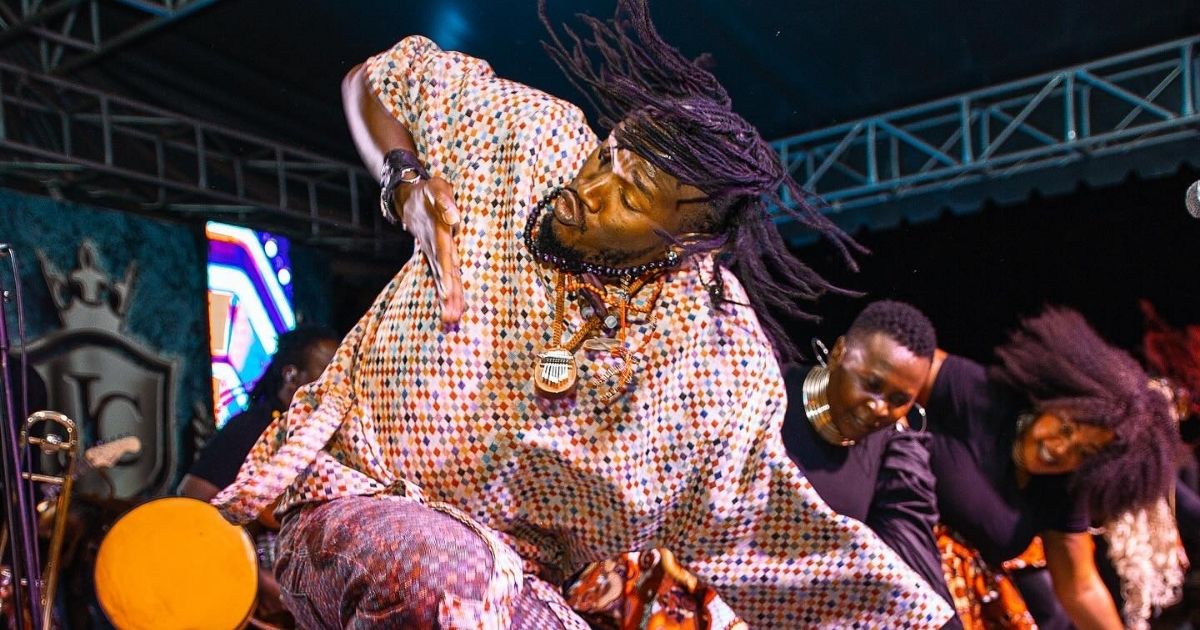
While the traditional ensembles form the core of the competition, organisers have integrated a formidable lineup of contemporary entertainment to broaden the festival’s appeal.
The guest roster is headlined by music giant Jah Prayzah, whose renowned ability to blend traditional mbira instrumentation with modern Afro-pop serves as a deliberate bridge between the nation’s ancestral heritage and its modern music industry.
He will be joined by prominent Jiti musician Baba Harare, whose energetic, modern interpretation of traditional Zimbabwean rhythms makes him a fitting addition to a cultural celebration.
Furthermore, the lineup features the influential Zimdancehall production house Chillspot, alongside female star Nisha Ts.
This strategic blending of heritage with modern Zimbabwean music industry heavyweights serves to attract a substantial demographic of younger music fans to Harare Gardens, thereby exposing a new generation to the traditional dances competing for the national title.
Corporate backing and cultural diplomacy
The sheer scale of the Chibuku Neshamwari festival requires immense logistical and financial support. Delta Beverages, through its flagship traditional beer brand Chibuku, has funded the initiative for over half a century.
This enduring corporate sponsorship is frequently cited by arts professionals as one of the most successful examples of corporate social responsibility in Southern Africa.
By aligning its commercial brand with traditional heritage, the corporation has helped ensure that indigenous art forms are not marginalised but are instead celebrated on a premium national platform.
The National Arts Council of Zimbabwe (NACZ) and the Zimbabwe National Traditional Dancers Association (ZNTDA) provide the crucial regulatory and artistic frameworks. Their involvement guarantees that the competition adheres strictly to cultural authenticity.
Judges deployed by the ZNTDA are tasked with rigorously evaluating the performers not just on their entertainment value, but on their historical accuracy, the authenticity of their attire, and their adherence to traditional choreographic rules.
A theme of national unity
The 2026 edition of the festival is proceeding under the bilingual theme: “Ngoma Ngairire Shamwari, Tshay’sgubhu Mngane”.
Organisers maintain that this slogan is more than a marketing mechanism. It is a deliberate assertion of national unity.
In a country with a complex history of regional and ethnic divisions, the festival utilises the universal language of rhythm to foster social cohesion.
By bringing groups from Matabeleland to perform in Harare, and groups from Mashonaland to compete in Bulawayo, the initiative acts as a powerful tool for cultural diplomacy and mutual understanding among ordinary citizens.
Bridging the generational divide
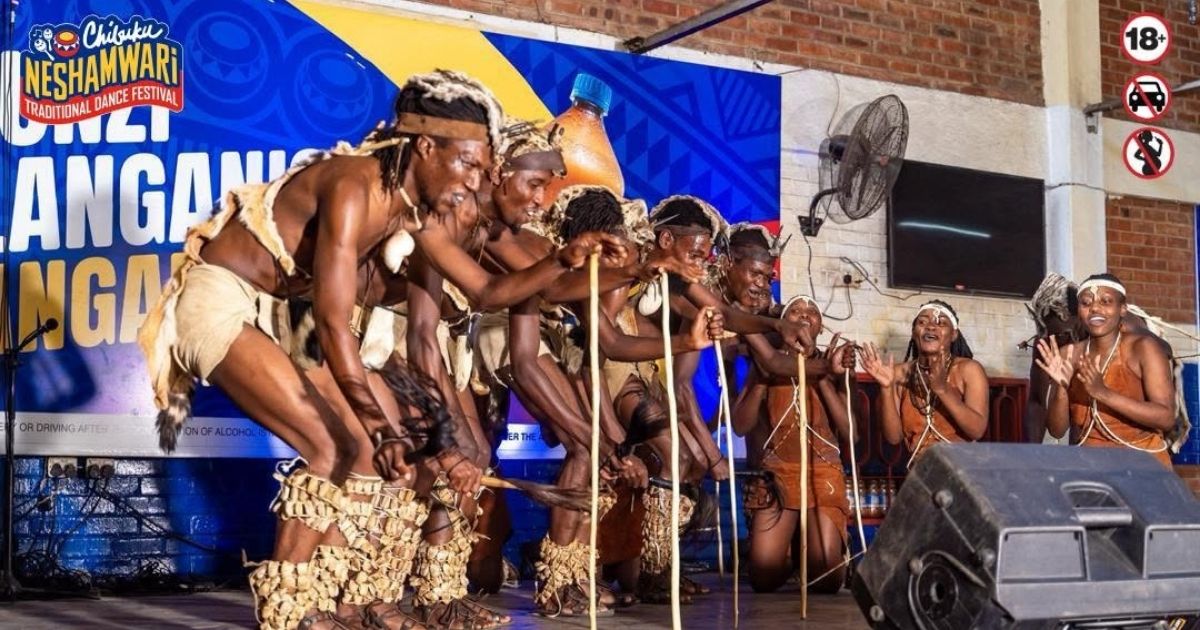
Perhaps the most significant achievement of the Chibuku Neshamwari festival in 2026 is its continued relevance in a highly digitised world.
In an era where younger generations are increasingly influenced by globalised media, internet culture, and international music genres like Afrobeats and Amapiano, traditional dance faces a constant threat of obsolescence.
However, the festival actively combats this trend.
By offering high-profile platforms, substantial financial rewards, and intense media coverage, the competition has successfully rebranded traditional dance as a viable, respected, and even lucrative pursuit for young Zimbabweans.
Many of the ensembles competing this weekend feature young performers in their twenties, demonstrating that the transfer of intangible heritage from the village elders to the urban youth is not only possible but actively thriving.
As the gates open at Harare Gardens tomorrow morning, the atmosphere will be electric. Amidst the food stalls, the flowing traditional beer, and the booming sound systems, the core of the event will remain unchanged from its inception in the 1960s.
It is a celebration of who Zimbabweans are, where they have come from, and how their shared rhythms will continue to echo into the future. When the final drum beats tomorrow night and the US$15,000 cheque is handed over, the true victor will be the nation’s enduring cultural legacy.

Andrew Moyo is a veteran entertainment journalist with over a decade of experience. He has worked for some of the biggest publications in Zimbabwe including The Sunday Mail.