Victoria Falls Rainforest Temporarily Closed
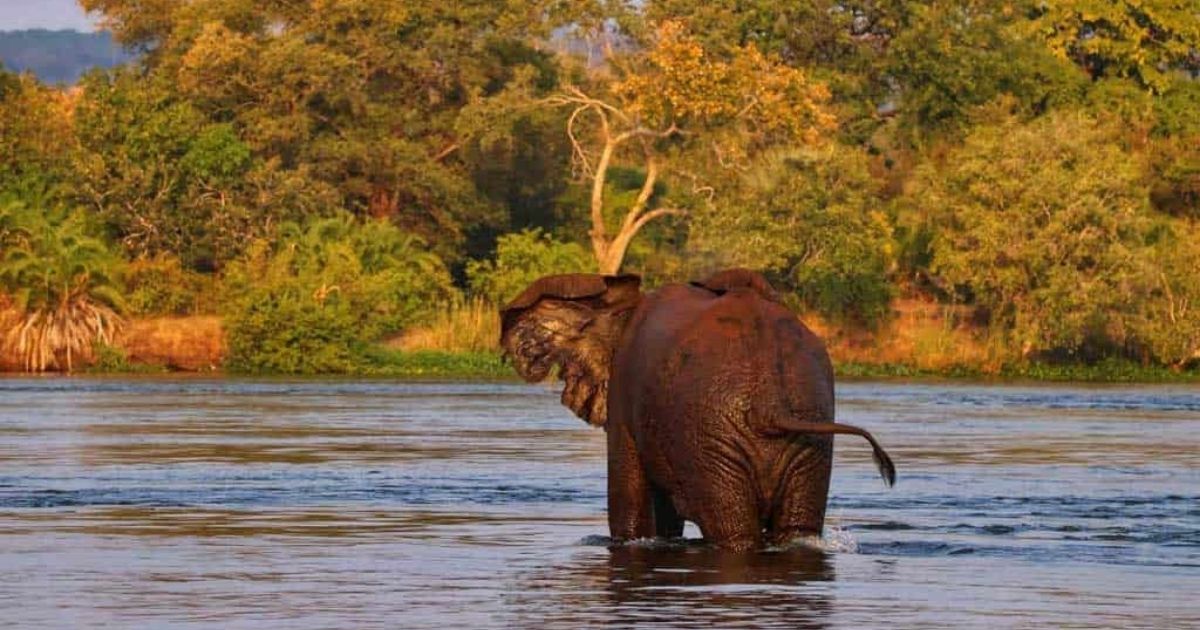
The Zimbabwe Parks and Wildlife Management Authority (ZimParks) has temporarily restricted access to the Victoria Falls Rainforest after reports of an elephant moving within the protected area, prompting authorities to prioritise the safety of visitors, staff and wildlife.
The announcement, issued on Tuesday, 21 July 2026, said the closure is a precautionary measure aimed at reducing the risk of human-wildlife conflict while wildlife officials monitor the situation.
According to ZimParks, an elephant has been reported to be active within the rainforest precinct, one of Zimbabwe’s most visited tourist attractions and a key viewing point for the iconic Victoria Falls.
ZimParks prioritises visitor safety
In its public notice, ZimParks said restricting access was necessary to ensure the safety of everyone in the area.
“The restriction has been instituted as a precautionary measure to safeguard visitors, staff, and wildlife, and to reduce the risk of human-wildlife conflict,” the authority said.
Officials added that wildlife teams are closely monitoring the elephant’s movements and will advise the public once it is safe for normal access to resume.
No injuries or incidents involving tourists have been reported.
Public urged to stay away from restricted area
Authorities have urged members of the public not to enter the restricted section of the rainforest or attempt to approach the elephant.
Tour operators, guides and visitors have also been instructed to comply fully with directions issued by ZimParks personnel and other relevant authorities stationed at the site.
Wildlife experts frequently warn that elephants, despite their generally calm appearance, can become highly unpredictable when they feel threatened, startled or protective of their calves.
Encounters between humans and elephants remain one of the leading causes of wildlife-related incidents in southern Africa.
By restricting access early, conservation authorities hope to minimise any danger to visitors while allowing wildlife officers sufficient space to safely manage the situation.
Victoria Falls remains one of Zimbabwe’s top tourism attractions
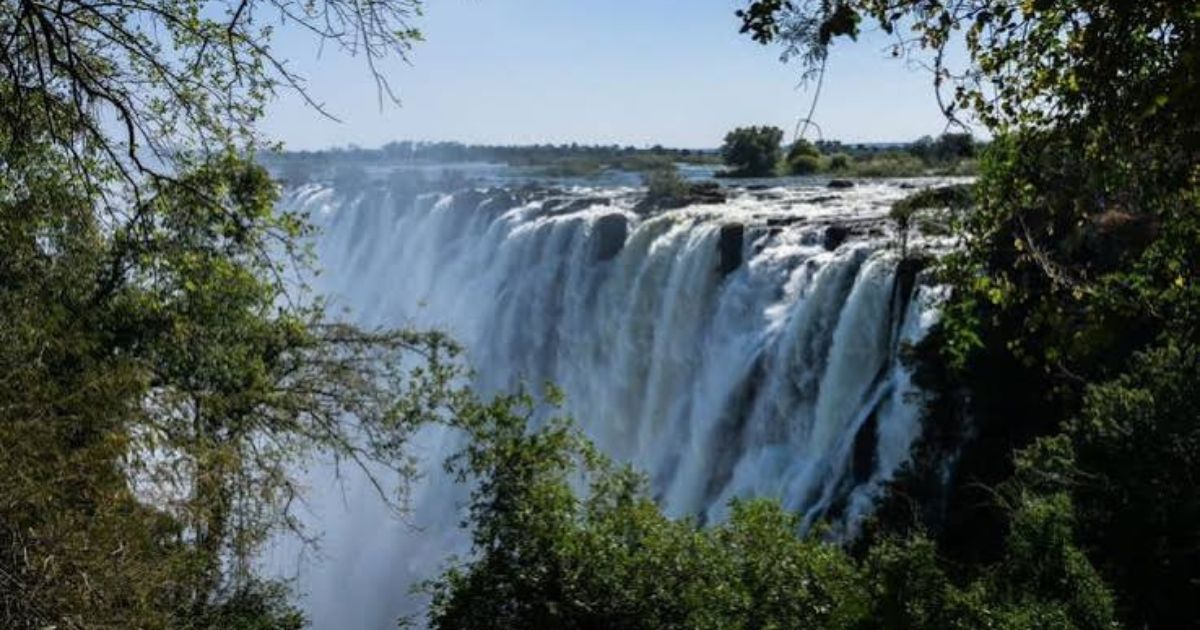
The Victoria Falls Rainforest is among the country’s most important travel destinations, attracting hundreds of thousands of local and international visitors each year.
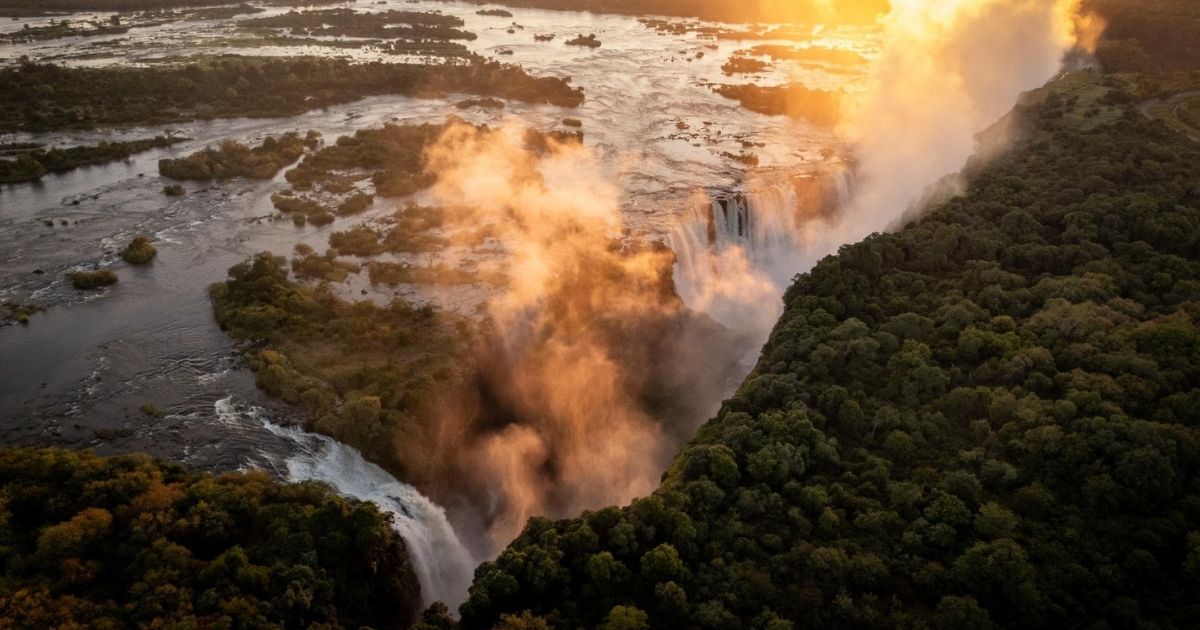
Located adjacent to the world’s largest sheet of falling water, the rainforest offers spectacular viewpoints of the waterfall, walking trails and a unique ecosystem sustained by the constant spray from the Zambezi River.
The attraction forms part of the Mosi-oa-Tunya/Victoria Falls World Heritage Site, jointly shared by Zimbabwe and Zambia, and is renowned for its rich biodiversity.
Because wildlife moves freely within the broader Victoria Falls area, sightings of elephants, buffalo, baboons, warthogs and various antelope species are not uncommon.
However, elephants entering high-traffic visitor zones occasionally require temporary management measures to ensure public safety.
Human-wildlife coexistence remains a conservation challenge
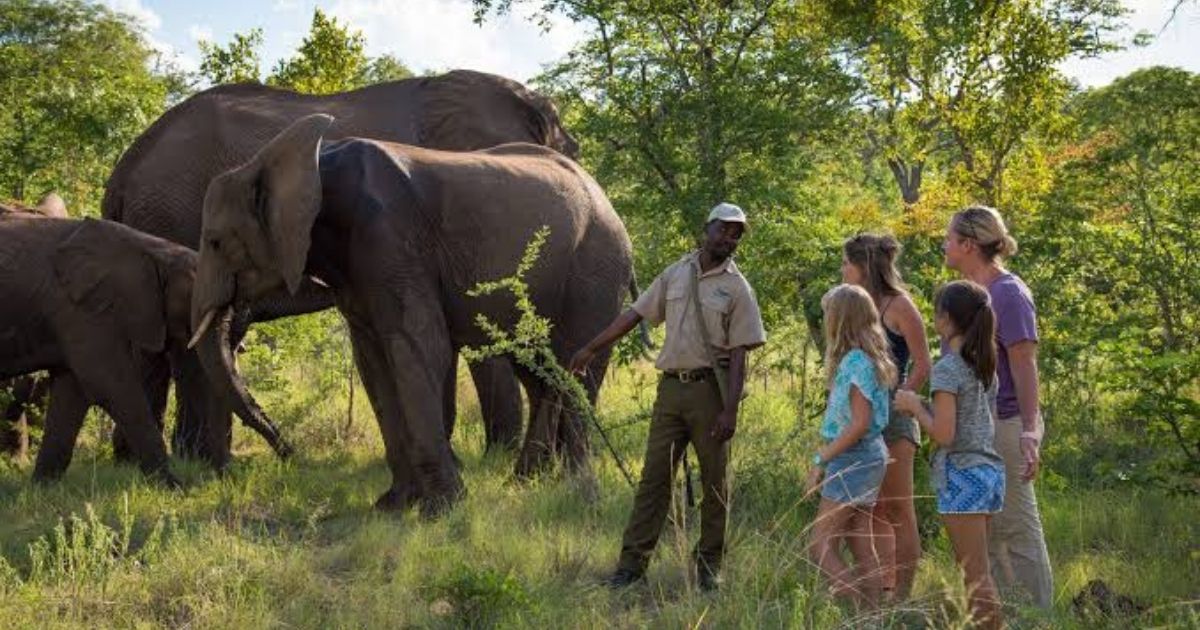
Zimbabwe is home to one of Africa’s largest elephant populations, with many animals roaming across protected areas, safari concessions and neighbouring communities.
As tourism continues to grow, wildlife authorities regularly balance visitor access with conservation responsibilities, particularly when large animals move into popular tourist locations.
Temporary closures such as the one at the Victoria Falls Rainforest are considered standard conservation practice, allowing wildlife to move naturally while preventing unnecessary conflict between people and animals.
Conservationists say giving wild animals adequate space is often the safest and least disruptive management approach.
Visitors advised to monitor official updates
ZimParks said further information will be communicated through its official channels once assessments indicate that the rainforest can safely reopen.
Until then, visitors planning to tour the Victoria Falls Rainforest are encouraged to check for the latest updates before travelling and to follow all instructions issued by park authorities.
The authority reaffirmed its commitment to protecting both visitors and Zimbabwe’s wildlife heritage, emphasising that public safety remains its highest priority while conservation teams continue monitoring the elephant’s activity.