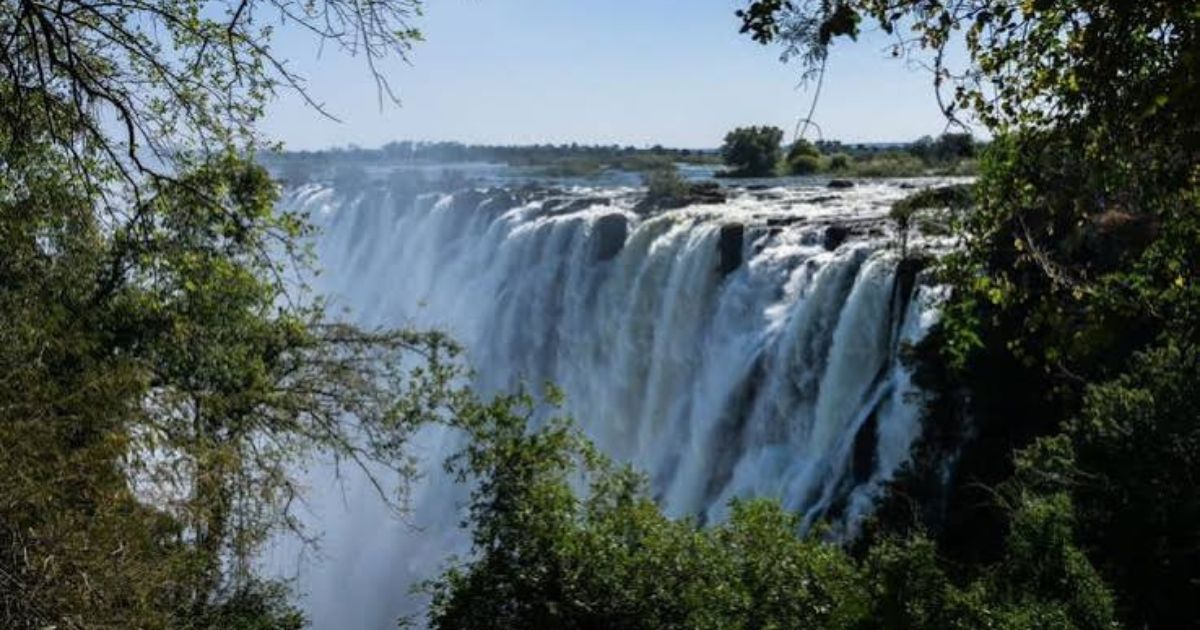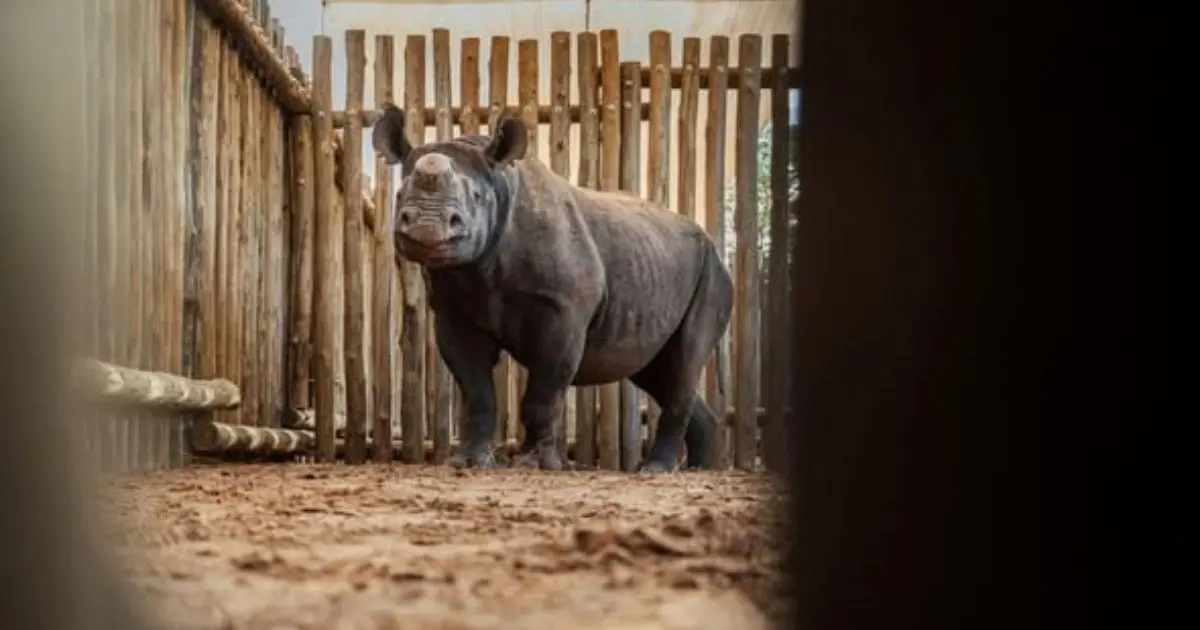

Every year on 31 July, World Ranger Day shines a spotlight on a group of people whose work is rarely seen but whose impact is felt by millions.
While visitors marvel at elephants roaming across Hwange National Park, photograph lions in Mana Pools or cruise the Zambezi River near Victoria Falls, wildlife rangers are already hours into their day, quietly protecting Zimbabwe’s natural heritage.
Their work extends far beyond guiding tourists or patrolling protected areas.
Rangers are conservation officers, first responders, investigators, wildlife monitors, educators and, in many cases, the first line of defence against poaching and other environmental crimes.
As Zimbabwe joins the rest of the world in marking World Ranger Day 2026, conservationists are recognising the dedication, courage and sacrifice of the men and women who safeguard some of Africa’s most iconic wildlife and landscapes.
What is World Ranger Day?
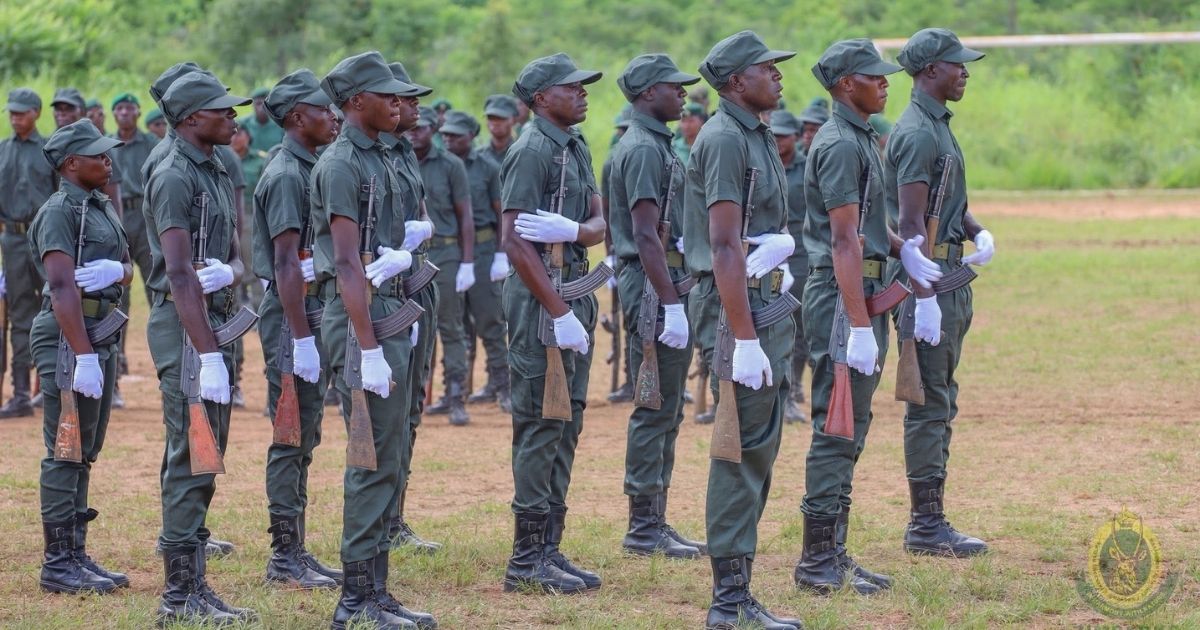
Observed every year on 31 July, World Ranger Day was established by the International Ranger Federation to honour wildlife rangers who have lost their lives or been injured while carrying out their duties, while also celebrating the vital work undertaken by rangers across the globe.
The day serves as a reminder that conservation is not only about protecting animals. It is also about protecting ecosystems, supporting local communities and preserving natural heritage for future generations.
For Zimbabwe, whose tourism industry relies heavily on wildlife and national parks, the contribution of rangers cannot be overstated.
Protecting Zimbabwe’s Natural Heritage
Zimbabwe is home to some of Africa’s most celebrated protected areas, including:
- Hwange National Park
- Mana Pools National Park
- Gonarezhou National Park
- Matusadona National Park
- Zambezi National Park
- Matobo National Park
- Chizarira National Park
- Nyanga National Park
Together, these parks protect thousands of plant and animal species, many of which are globally threatened.
They are also home to one of Africa’s largest elephant populations, significant lion prides, endangered African wild dogs, black and white rhinoceroses, buffalo, leopards, cheetahs and hundreds of bird species.
Maintaining these ecosystems requires constant vigilance.
Every day, wildlife rangers patrol vast landscapes on foot, by vehicle, boat and sometimes on horseback. Many spend weeks away from their families while working in remote areas with limited infrastructure.
Their responsibilities include:
- Monitoring wildlife populations
- Detecting illegal hunting activities
- Removing snares set by poachers
- Preventing illegal logging and mining
- Managing veld fires
- Assisting injured animals
- Supporting scientific research
- Helping tourists during emergencies
- Conducting environmental education programmes in surrounding communities
It is work that is physically demanding, mentally challenging and often dangerous.
Standing on the Frontline Against Poaching
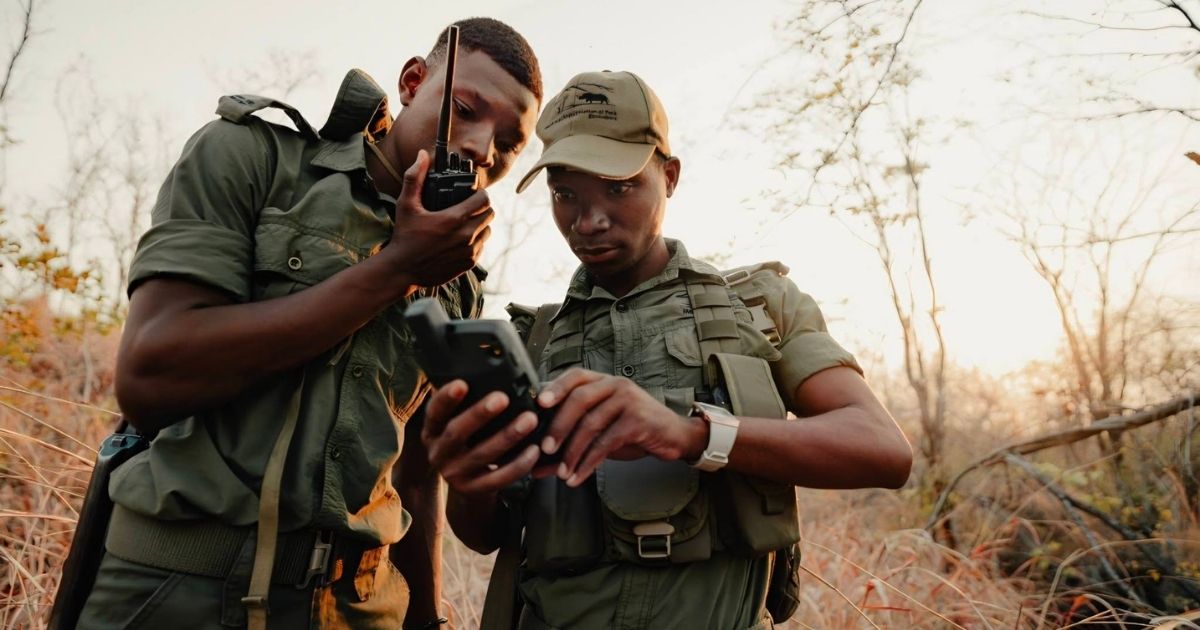
Perhaps the greatest challenge facing many wildlife rangers is combating poaching.
Illegal wildlife trafficking remains one of the world’s most lucrative criminal enterprises, threatening elephants, rhinos, pangolins and numerous other species.
Zimbabwe has made significant progress in reducing poaching over the past decade through stronger law enforcement, intelligence-led operations and partnerships between the Zimbabwe Parks and Wildlife Management Authority (ZimParks), conservation organisations and local communities.
Wildlife rangers are central to these efforts.
On patrol, rangers search for tracks left by poachers, dismantle wire snares hidden in vegetation and investigate suspicious activity across protected areas that can stretch for thousands of square kilometres.
In some cases, they encounter heavily armed criminal syndicates operating in remote regions.
The risks are real.
Across Africa and around the world, wildlife rangers have been killed or seriously injured while protecting endangered species and confronting organised wildlife crime.
Others have lost their lives through encounters with dangerous animals, harsh weather conditions or accidents while working in isolated wilderness areas.
World Ranger Day honours their sacrifice and reminds the public that conservation often comes at a great personal cost.
More Than Anti-Poaching Officers
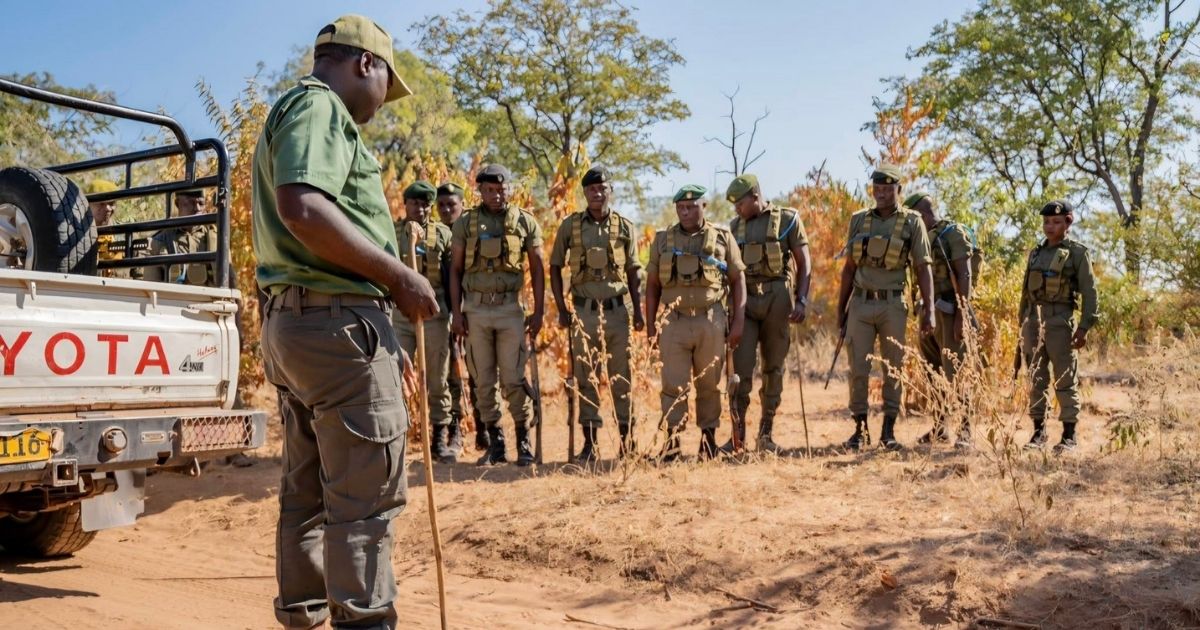
Although anti-poaching operations receive much of the public attention, the role of a wildlife ranger is far broader.
Modern conservation relies on accurate scientific information, and rangers are responsible for collecting much of that data.
They record animal sightings, monitor migration patterns, inspect waterholes during dry seasons and help researchers understand changes in ecosystems.
Rangers also respond when wildlife strays into nearby communities.
As human settlements expand closer to protected areas, incidents involving elephants, lions, crocodiles and other animals can increase. Rangers help manage these situations, protecting both people and wildlife while promoting peaceful coexistence.
Their work is equally important during natural disasters.
Whether responding to veld fires, prolonged droughts or flooding, rangers often play a leading role in protecting vulnerable wildlife and restoring damaged habitats.
The Foundation of Zimbabwe’s Tourism Industry
Zimbabwe’s wildlife tourism industry contributes significantly to the country’s economy, attracting visitors from around the world.
Destinations such as Hwange National Park, Mana Pools National Park, Victoria Falls, Gonarezhou National Park and Matusadona National Park have earned international recognition for their biodiversity and spectacular safari experiences.
Yet the success of these destinations depends largely on the work taking place behind the scenes.
Without effective conservation, wildlife populations would decline, ecosystems would deteriorate and Zimbabwe’s reputation as one of Africa’s leading safari destinations would be at risk.
Every elephant photographed by a tourist, every lion pride observed on safari and every rare bird spotted by a wildlife enthusiast represents years of dedicated conservation work supported by rangers.
Their efforts help ensure that future generations can continue experiencing Zimbabwe’s remarkable natural heritage.
Conservation Begins with Communities
Successful conservation is increasingly built on partnerships with communities living alongside protected areas.
Many wildlife rangers work closely with schools, local leaders and community organisations to promote environmental awareness and encourage sustainable natural resource management.
Education programmes help young people understand the importance of biodiversity while creating opportunities for future careers in conservation and eco-tourism.
Community engagement also helps reduce human-wildlife conflict and strengthens support for protecting national parks.
When surrounding communities benefit from conservation through employment, tourism and sustainable development initiatives, wildlife protection becomes a shared responsibility rather than the task of government agencies alone.
Adapting to New Conservation Challenges
The work of wildlife rangers continues to evolve.
Climate change is altering rainfall patterns and affecting water availability in many protected areas. Extended droughts place additional pressure on wildlife and require careful monitoring of habitats and water sources.
Technology is also changing how rangers operate.
Many conservation programmes now use GPS mapping, camera traps, drones, digital reporting systems and satellite imagery to improve wildlife monitoring and strengthen anti-poaching operations.
Despite these advances, the human element remains irreplaceable.
Technology can identify movement, but it cannot replace the knowledge, experience and instinct of a ranger who understands the landscape, recognises fresh animal tracks or notices subtle changes in an ecosystem.
Recognising Zimbabwe’s Conservation Heroes
World Ranger Day is not simply a celebration of a profession. It is recognition of people who dedicate their lives to protecting one of Zimbabwe’s greatest national assets.
Often working far from public attention, wildlife rangers endure long patrols, unpredictable conditions and significant personal risk to preserve landscapes that support biodiversity, tourism and local livelihoods.
Their work benefits everyone—from international visitors seeking unforgettable safari experiences to communities whose livelihoods are linked to conservation and future generations who deserve to inherit thriving ecosystems.
As Zimbabwe marks World Ranger Day 2026, the occasion offers an opportunity to appreciate the commitment of these conservation professionals and to recognise that every successful safari, every protected elephant herd and every thriving national park is built on countless hours of dedication by men and women whose work often goes unseen.
They may rarely appear in holiday photographs, but without them, many of Zimbabwe’s most treasured wildlife experiences would simply not exist.