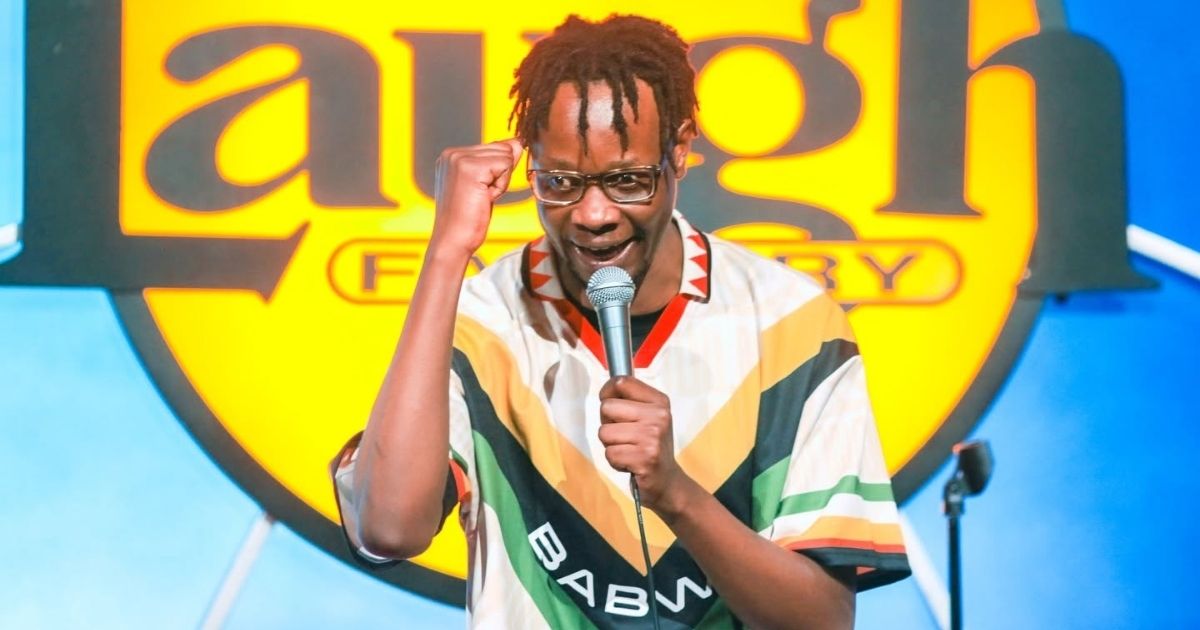
Learnmore Jonasi Beats $27 Million Lion King Lawsuit
Zimbabwean comedian Learnmore Jonasi has emerged victorious in one of the entertainment industry’s most closely watched legal battles after a United States federal judge dismissed a US$27 million defamation lawsuit brought against him by South African composer and producer Lebo M, the celebrated voice behind Disney’s The Lion King opening anthem.
The decision brings an end to months of legal uncertainty that followed a joke Jonasi made during a podcast appearance earlier this year, a moment that quickly went viral across social media and sparked an international debate about comedy, cultural expression and freedom of speech.
The dismissal marks a significant moment in Jonasi’s rapidly growing international career, allowing the Zimbabwean comedian to move forward after what he previously described as one of the most difficult periods of his life.
Court Dismisses the $27 Million Lawsuit

The lawsuit centred on comments Jonasi made while appearing on the One54 Africa podcast, where he jokingly translated the famous opening Zulu chant from “Circle of Life.”
When asked about the lyrics, Jonasi humorously translated them as:
“Look, there’s a lion. Oh my God.”
The joke immediately resonated online, generating millions of views and becoming one of the most widely shared comedy clips featuring the Zimbabwean performer.
However, the joke did not amuse Lebo M, whose real name is Lebohang Morake.
The Grammy-winning composer argued that the translation distorted the cultural significance of the iconic chant and damaged both his professional reputation and commercial interests.
Morake subsequently filed a lawsuit in a federal court in Los Angeles seeking more than US$20 million in compensatory damages and an additional US$7 million in punitive damages, bringing the total claim to US$27 million.
Why Lebo M Took Legal Action
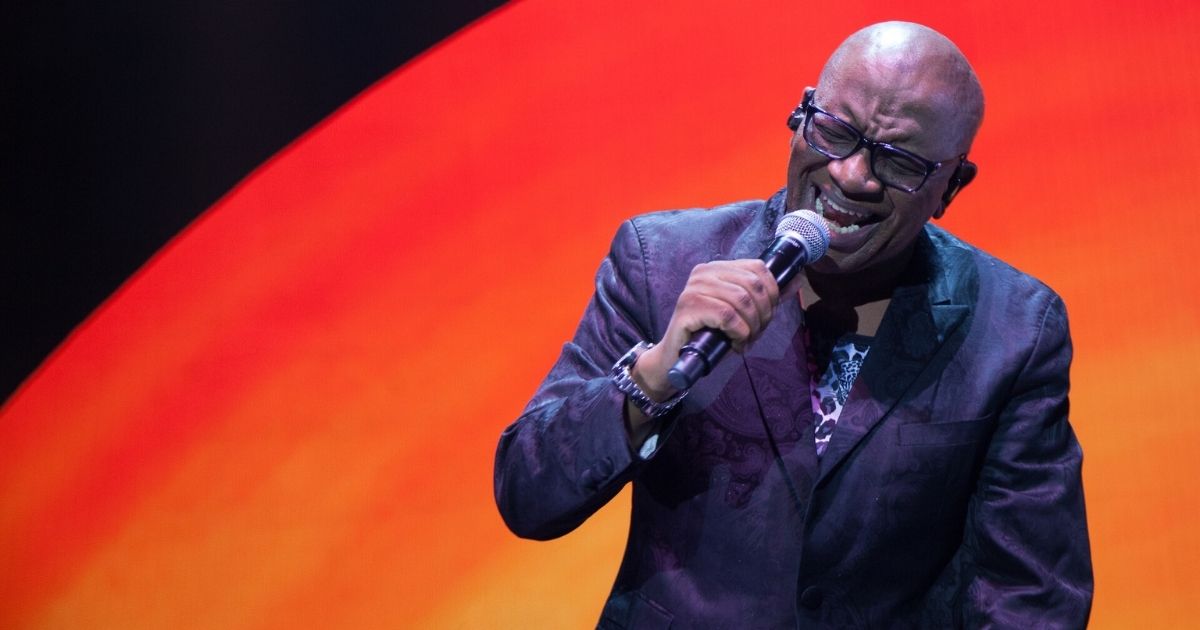
Lebo M is internationally recognised for composing and performing the powerful African vocal introduction that opens Disney’s 1994 animated classic The Lion King and its subsequent adaptations.
His legal complaint argued that Jonasi’s viral joke falsely represented the meaning of the chant and trivialised an expression deeply rooted in Zulu language and culture.
According to court filings, the composer claimed the joke interfered with business relationships connected to Disney productions and affected the value of his creative work.
The case quickly attracted international attention, with legal experts, comedians and entertainment commentators debating whether a comedic performance could reasonably amount to defamation.
Many argued that Jonasi’s comments were clearly intended as humour rather than factual translation.
Judge Throws Out the Case
After months of legal proceedings, both parties agreed to dismiss the lawsuit, with a federal judge officially closing the case.
The dismissal means Jonasi will not face the multimillion-dollar damages initially sought by Lebo M.
Following the ruling, Jonasi celebrated the outcome publicly, describing the dismissal as a huge relief after months of stress and uncertainty.
He also indicated that he intends to seek reimbursement of his legal costs under California’s anti-SLAPP legislation, a law designed to protect individuals from lawsuits that could discourage free speech on matters of public interest.
From Viral Joke to International Headlines
What began as a brief comedic moment evolved into one of the most talked-about legal disputes involving an African comedian in recent years.
The controversy exploded after clips from the podcast circulated across TikTok, Instagram, Facebook and X, generating widespread discussion far beyond Africa.
Supporters argued that comedy often relies on exaggeration and absurdity, while others questioned whether cultural expressions should receive greater protection from parody.
The case became a global talking point, attracting coverage from major international media organisations and entertainment publications.
Zimbabweans Rally Behind Learnmore Jonasi
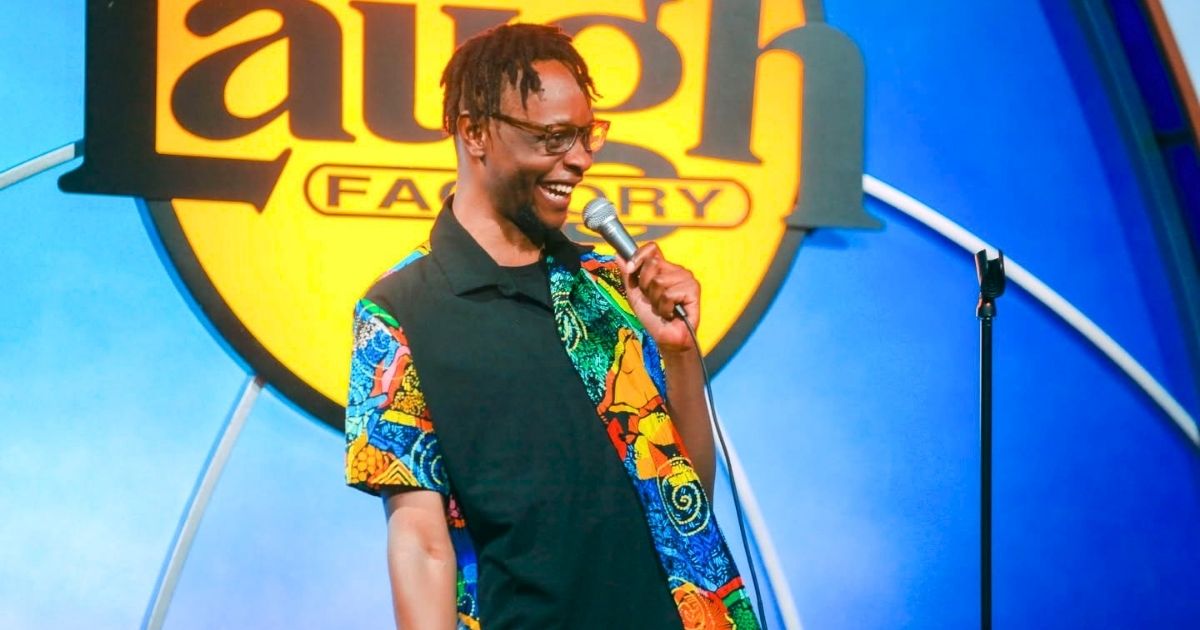
Throughout the legal battle, Jonasi received overwhelming support from Zimbabweans both at home and across the diaspora.
Social media users launched campaigns backing the comedian, while many praised his achievements as one of Zimbabwe’s fastest-rising international entertainers.
The controversy also prompted passionate debate across Southern Africa, with some defending Lebo M’s efforts to protect the cultural significance of the chant, while others viewed the lawsuit as an excessive response to an obvious joke.
The online backlash became so intense that Lebo M later claimed he had received threats and required additional security.
The Lawsuit Didn’t Slow Jonasi Down
Rather than retreat from the spotlight, Jonasi continued touring during the legal proceedings.
In a move characteristic of many comedians, he even leaned into the controversy by launching a comedy tour inspired by the case, turning one of the biggest legal challenges of his career into fresh material for audiences.
His ability to transform adversity into comedy further strengthened his reputation as one of Africa’s most resilient and innovative stand-up performers.
Learnmore Jonasi’s Remarkable Rise
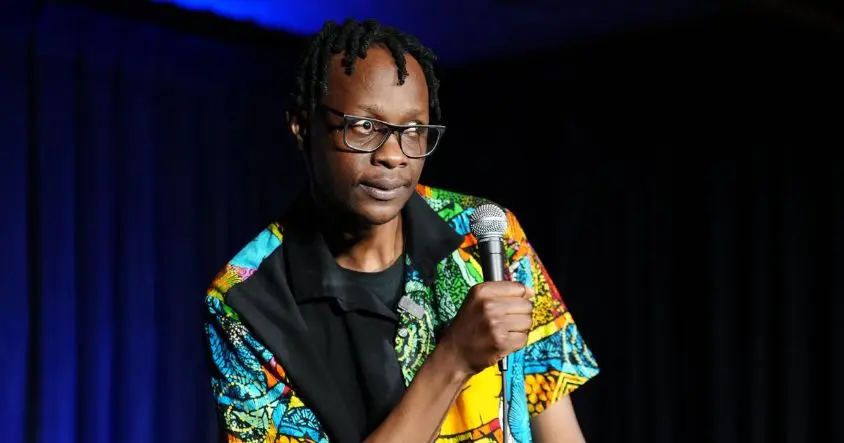
Born in Zimbabwe, Learnmore Jonasi has steadily built an international comedy career over the past several years.
After relocating to the United States, he won recognition through comedy festivals across America before achieving global fame with his appearance on America’s Got Talent.
His unique storytelling style—combining observations about Zimbabwean life, African culture and the immigrant experience—earned widespread acclaim from judges and audiences alike.
The Lion King lawsuit unexpectedly placed him in international headlines beyond the comedy world, but the dismissal allows attention to return to what first made him famous: his talent for making people laugh.
A Victory Beyond One Comedian
Legal analysts say the case has highlighted broader questions about where courts should draw the line between satire, artistic expression and defamation.
While every case depends on its individual facts, many observers believe the dismissal reinforces long-standing protections for comedy and parody, particularly when audiences would reasonably understand a statement as a joke rather than a factual claim.
For comedians, writers and performers, the outcome is likely to be remembered as an important example of how courts approach humour in the age of viral social media.
What’s Next for Learnmore Jonasi?
With the lawsuit now behind him, Jonasi can fully focus on his growing international career.
The Zimbabwean comedian continues to build a global audience through stand-up performances, digital content and major live appearances, with many fans expecting the legal saga itself to become material in future comedy specials.
Ironically, the lawsuit that threatened to derail his momentum has instead introduced Learnmore Jonasi to millions of new people around the world.
For now, one thing is certain: the comedian who found himself facing a staggering US$27 million legal claim has walked away with a victory that many supporters believe is just as significant as any standing ovation.
As the curtain falls on one of 2026’s most unusual entertainment disputes, Learnmore Jonasi can finally laugh about the joke that almost cost him millions—but ultimately cost him nothing.