Top Music Festivals in Zimbabwe
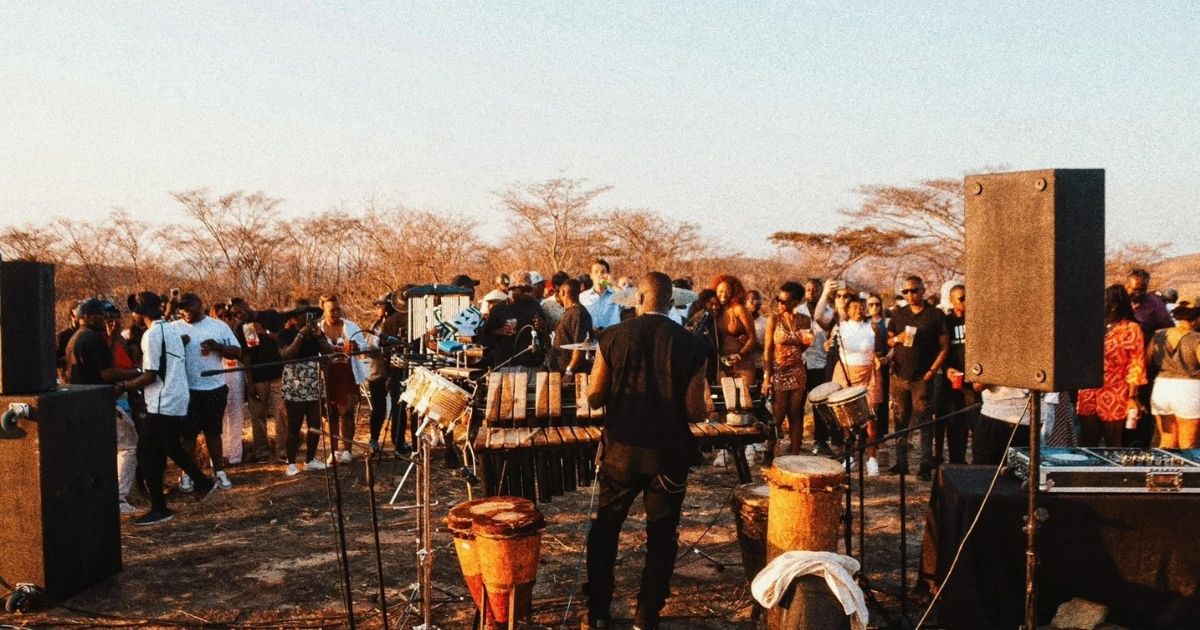
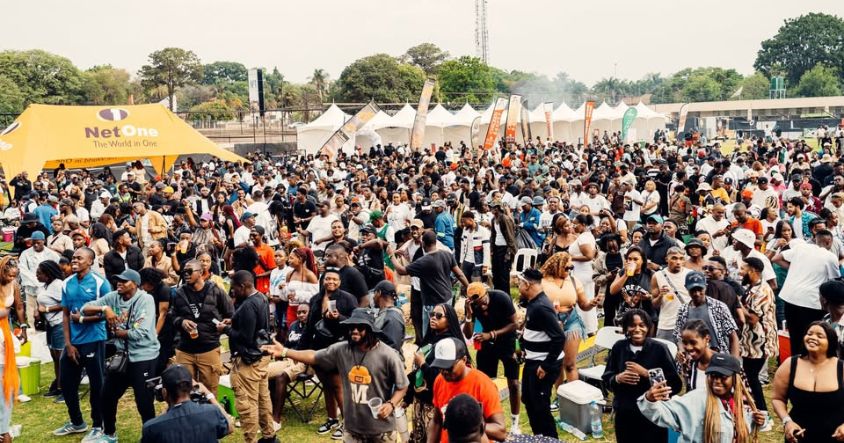
Zimbabwe’s music festivals are more than just concerts. They are cultural gatherings that reflect how the country listens, dances, debates and celebrates itself.
From alternative urban culture to traditional sounds, jazz, braai culture and large-scale pop showcases, the festival circuit has become a powerful driver of tourism, creativity and national identity.
Some festivals already have confirmed dates, while others are still expected to announce their schedules.
What is certain is that these events continue to shape Zimbabwe’s cultural calendar and draw thousands of music lovers each year.
Here is a well-curated guide to the top music festivals in Zimbabwe that every music fan should know.
Top Music Festivals in Zimbabwe
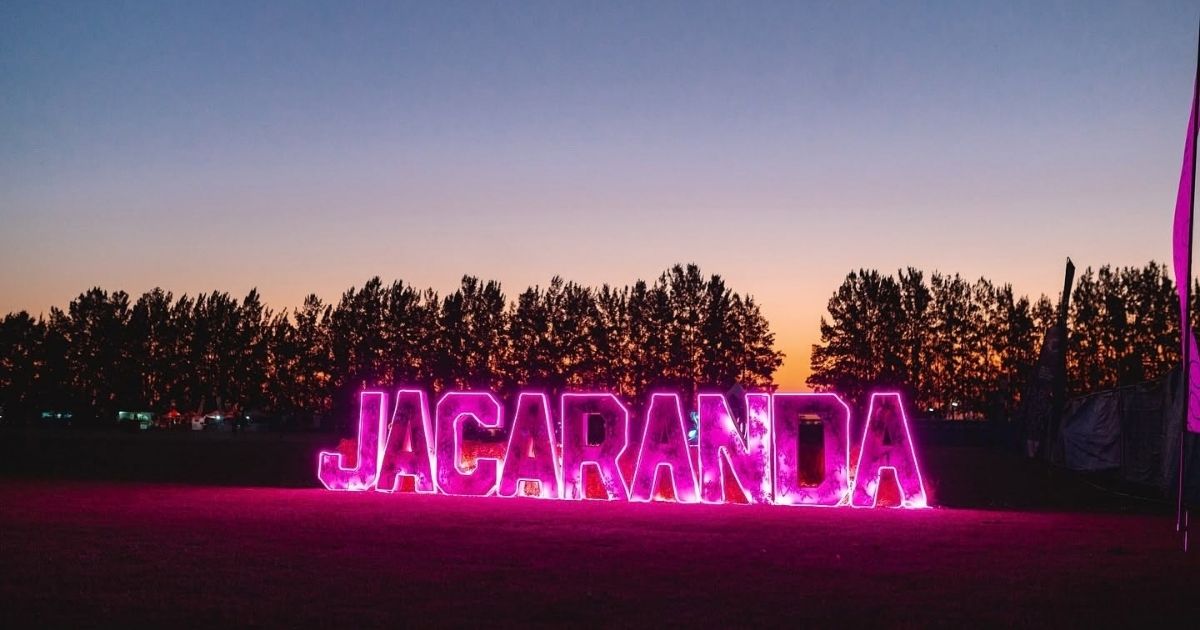
Jacaranda Music Festival (Harare)
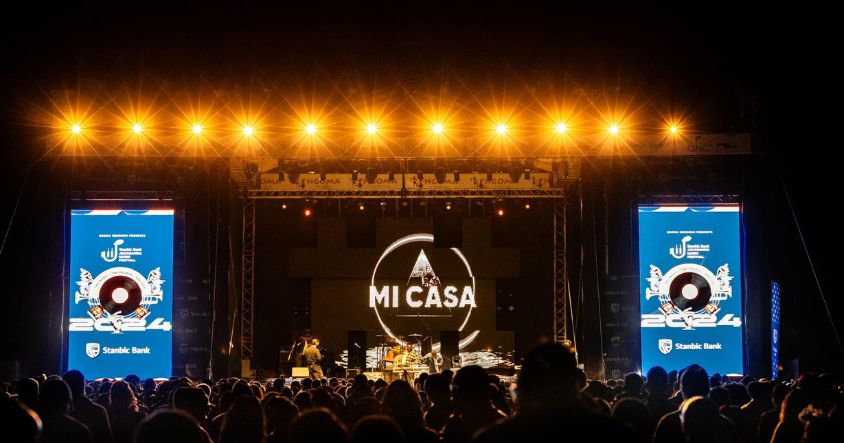
Confirmed dates: 2–4 October 2026
Jacaranda Music Festival has established itself as one of Zimbabwe’s biggest and most recognisable music festivals.
Held annually in Harare, the festival is known for its expansive line-ups, professional staging and a strong focus on live performance.
The event typically brings together top local artists, regional acts and occasional international performers across multiple genres, including afro-pop, dancehall, rock, hip-hop and electronic music.
Its outdoor setting and multi-day format make it a destination festival, attracting audiences from across the country and beyond.
Jacaranda is also known for its vibrant festival culture, with food courts, brand activations, art installations and fashion playing an important role in the overall experience.
263 Culture Festival (Harare)
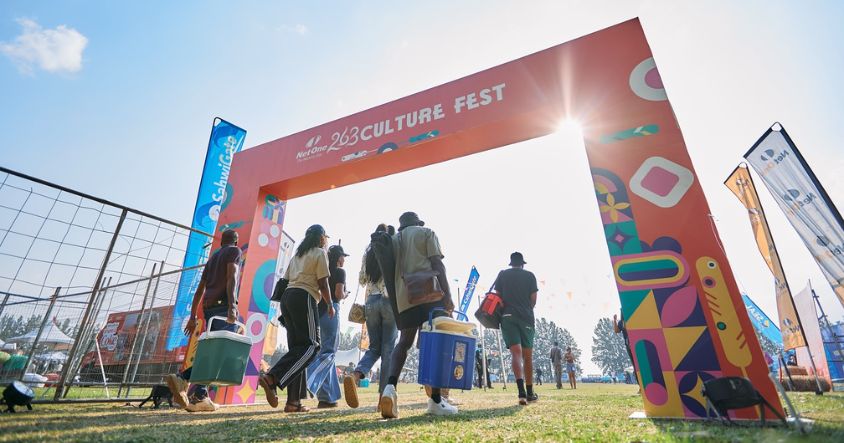
Confirmed date: 17 October 2026
The 263 Culture Festival is a relatively new but fast-growing event that celebrates Zimbabwean arts, lifestyle and contemporary culture.
While music sits at the heart of the festival, it is equally focused on storytelling, fashion, visual art and youth-driven creativity.
The festival’s programming often blends mainstream and alternative artists, making it a platform for both established names and emerging talent.
One of the biggest drawcards is the lineup, which always has a large number of top international artists.
It has quickly become popular with younger audiences who are drawn to its modern, inclusive and distinctly Zimbabwean identity.
More than just a music event, 263 Culture Festival positions itself as a celebration of national expression in all its forms.
Shoko Festival
(Dates to be announced)
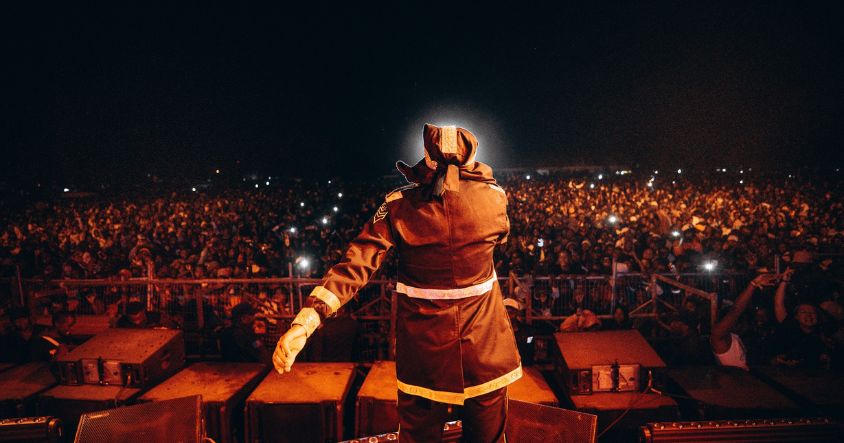
Shoko Festival is one of Zimbabwe’s most influential urban culture festivals. Built around hip-hop, spoken word and digital activism, it has grown into a multi-disciplinary event that blends music with social commentary.
The festival is known for its strong focus on youth voices, freedom of expression and community engagement. Performances are often accompanied by panel discussions, workshops and creative labs, making Shoko both an entertainment platform and a space for dialogue.
Over the years, Shoko Festival has played a key role in developing Zimbabwe’s hip-hop scene and giving rise to artists who now enjoy national and regional recognition.
Soke
Harare Confirmed date: 28 March 2026
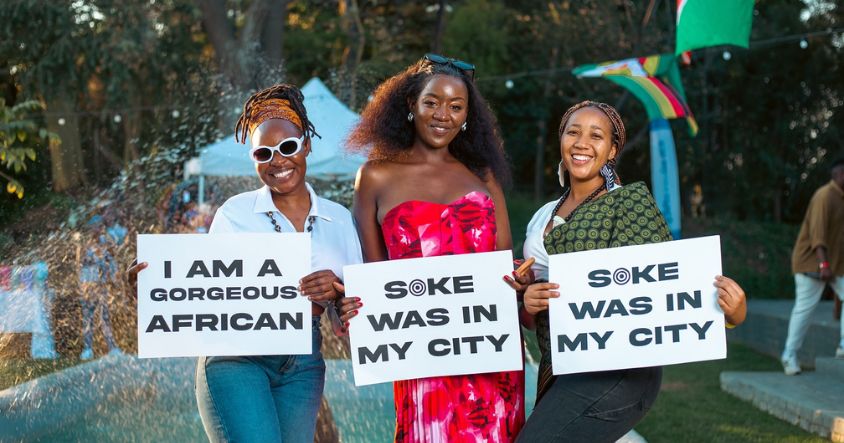
Soke: Celebrate Africa is a vibrant music and culture event that showcases African creativity through live music, food, fashion and social gatherings.
It is a touring festival concept that celebrates African popular music by taking large-scale live performances to different cities.
Rather than being tied to one location, Soke moves to various countries, making it accessible to audiences who might not always travel for events.
It’s designed to be an inclusive, celebratory space, a place where people come together to experience African rhythms, colours and community.
Kadoma Music Festival
(Dates to be announced)
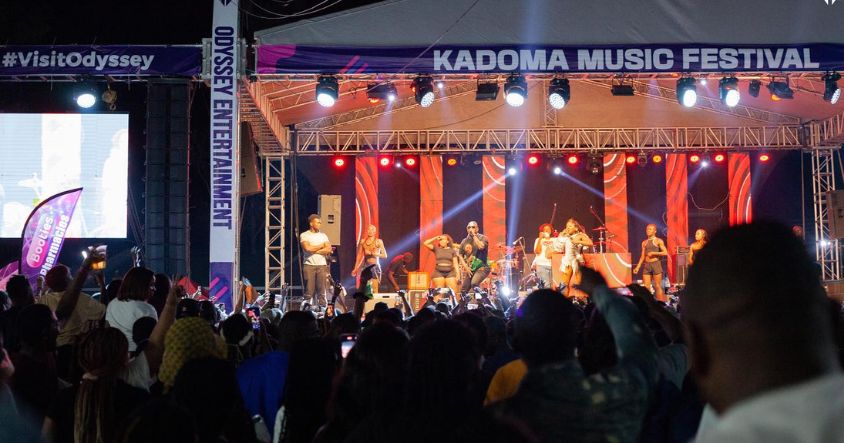
Kadoma Music Festival has become one of the most important regional festivals outside the capital.
Held in the Midlands town of Kadoma, the event attracts music lovers from surrounding provinces and offers a strong alternative to Harare-centric festivals.
The festival typically features a mix of local stars, regional performers and international heavyweights, with genres ranging from sungura and afro-pop to dancehall and gospel.
Its success highlights the growing appetite for high-quality live events in Zimbabwe’s smaller cities.
Kadoma Music Festival also plays an important role in boosting local tourism and supporting the town’s hospitality sector during festival weekends.
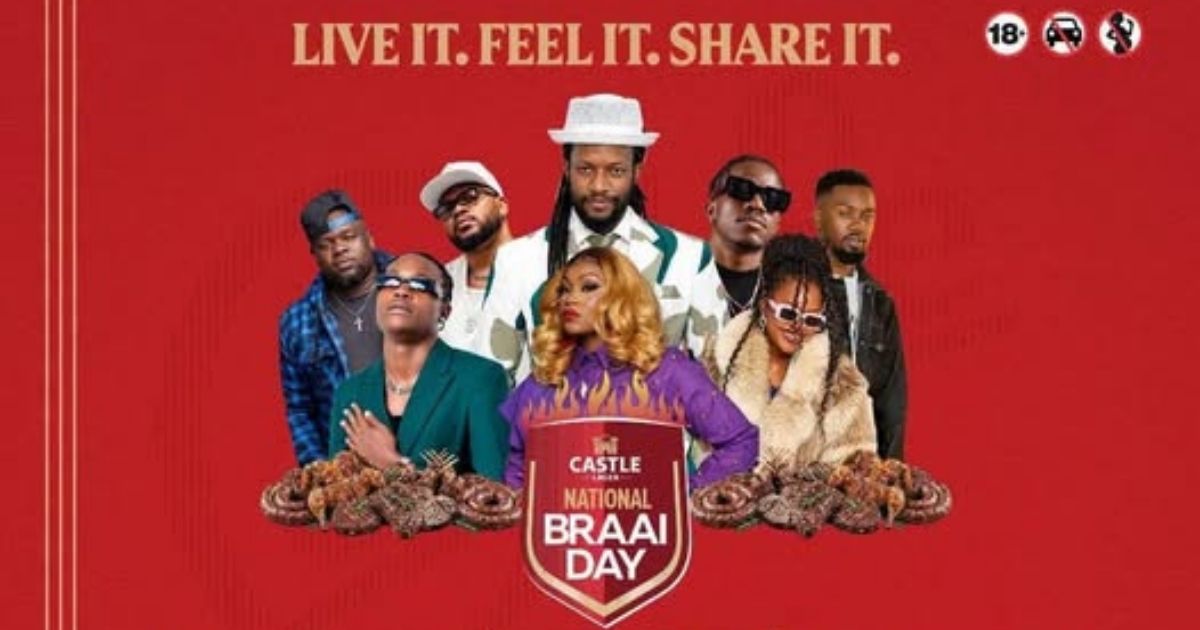
Castle Lager National Braai Festival
(Dates to be announced)
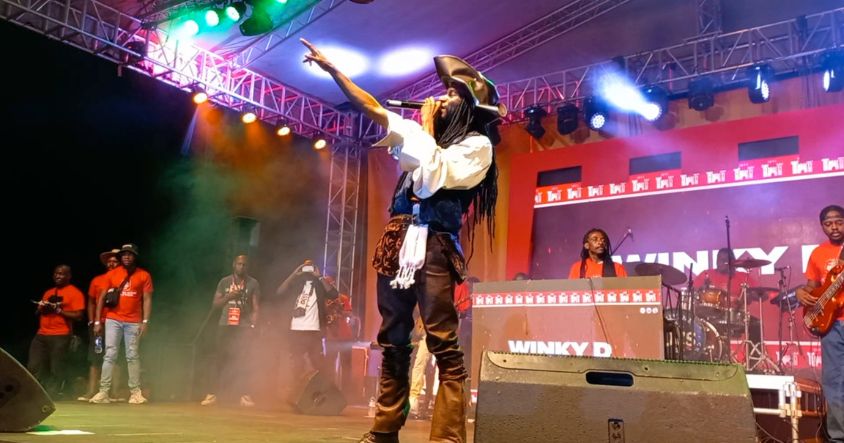
The Castle Lager National Braai Festival blends music with food culture, turning Zimbabwe’s love for braai into a national celebration.
While it is technically a lifestyle festival, live music is a major attraction, with performances from some of the country’s biggest artists.
The event usually features competitive braai cook-offs, food exhibitions and entertainment zones, creating a relaxed, family-friendly atmosphere. Music acts span multiple genres, ensuring broad appeal.
It is one of the few festivals that successfully combines corporate sponsorship, mass-market entertainment and cultural tradition.
Zimbabwe Jazz Festival
(Dates to be announced)
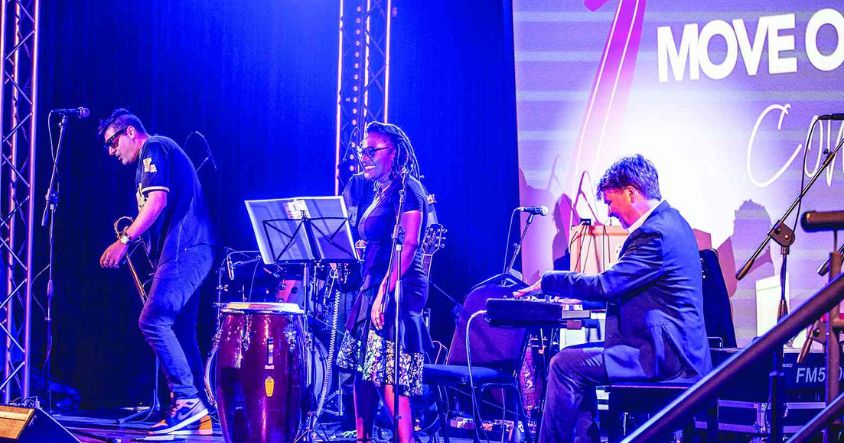
The Zimbabwe Jazz Festival is a key event for lovers of jazz, soul and Afro-jazz. It offers a more refined and intimate festival experience compared to larger mainstream events.
The festival often showcases seasoned musicians alongside younger jazz performers, creating a space for mentorship and musical exchange.
Its audiences tend to include dedicated jazz enthusiasts, creatives and professionals looking for a more laid-back but artistically rich environment.
In a music landscape dominated by pop and dance sounds, the Zimbabwe Jazz Festival plays a vital role in preserving and promoting jazz culture.
INTWASA Arts Festival
(Bulawayo – dates to be announced)
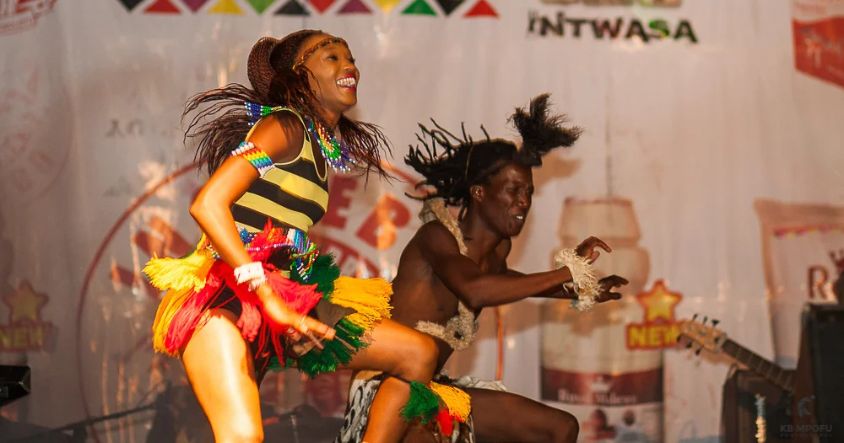
INTWASA Arts Festival is one of Zimbabwe’s most respected multi-arts festivals. Based in Bulawayo, it brings together music, theatre, dance, poetry and visual arts under one platform.
Music performances at INTWASA often lean towards alternative, traditional and experimental sounds, making it an important space for artistic exploration. The festival is also known for its workshops, exhibitions and community outreach programmes.
INTWASA’s strength lies in its focus on artistic depth and its commitment to showcasing voices from across the country, particularly from Matabeleland and surrounding regions.
Carpe Diem
(Dates to be announced)
Carpe Diem has quickly emerged as one of Zimbabwe’s most dynamic and eagerly anticipated musical experiences.
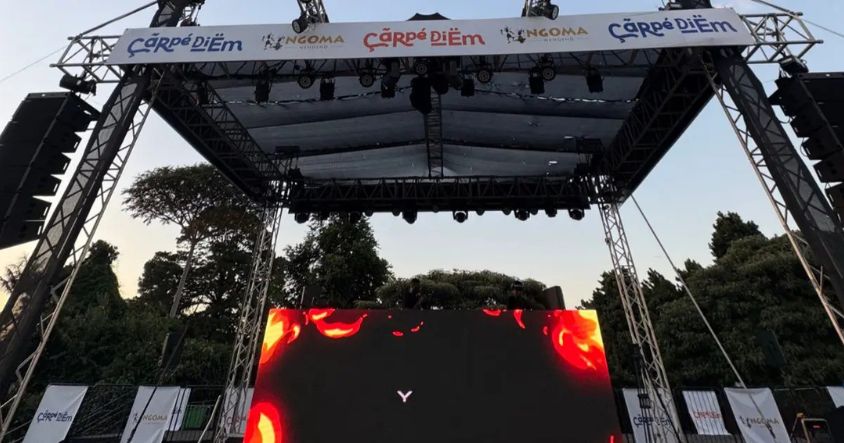
Unlike traditional music festivals built around live bands or diverse genres, Carpe Diem is a dedicated DJ and electronic music festival that celebrates the art of the decks and the joy of moving to rhythm.
The event has carved out a unique identity for itself within the country’s entertainment calendar, a space where sound systems, beats and dance take centre stage.
Beyond the music itself, organisers have worked to create an immersive experience with strong production values.
Staging, lighting and crowd management are all tailored to ensure both comfort and excitement, and recent editions have attracted significant crowds with early ticket sales indicating strong demand.
Carpe Diem is now seen as more than just an event; it is a pace-setter of Zimbabwe’s evolving dance music culture and an annual highlight for fans who want a festival that pulses with rhythm from start to finish.
Last year, the event was held twice, in May and December, which might just be the case for the 2026 editions.
Why Zimbabwe’s music festivals matter
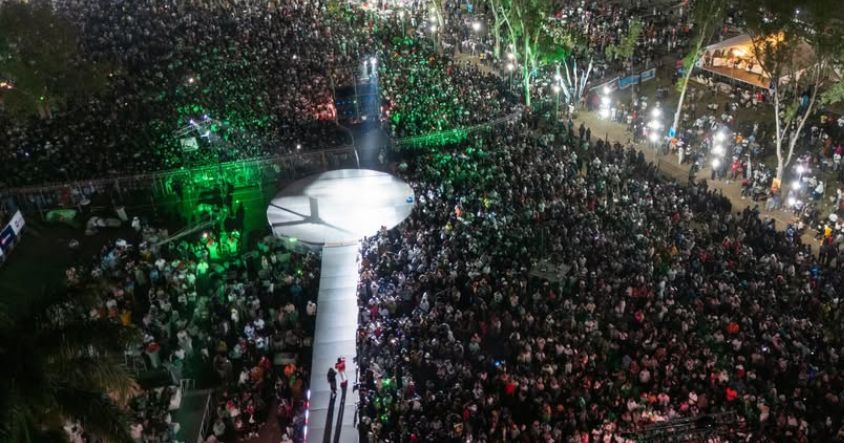
Together, these festivals tell the story of a music scene that is diverse, resilient and constantly evolving.
They provide platforms for artists, create employment for creatives and technicians, and attract both local and international visitors.
As more dates are announced and new festivals emerge, Zimbabwe’s live music calendar continues to grow in confidence and ambition.
Whether you are drawn to massive crowds, niche genres or cultural storytelling, there is a Zimbabwean music festival that speaks your language.
For fans and artists alike, the message is clear: the sound of Zimbabwe is best experienced live.