The National Arts Council of Zimbabwe (NACZ) has warned event promoters operating without valid licences to stop hosting public events, saying it will work with police to enforce compliance.
In a press release dated 16 October, NACZ warned that unregistered operators posed risks to audiences, artists and the wider creative sector.
It urged promoters without valid licences to begin the registration process at its head office in Harare or any of its provincial offices.
The warning comes under a regulatory framework that governs the registration of arts promoters and organisations in Zimbabwe, including the National Arts Council of Zimbabwe (General) Regulations, 2006, published as Statutory Instrument 87 of 2006.
What does Statutory Instrument 87 of 2006 say?
Statutory Instrument 87 of 2006 forms part of the legal framework established under the National Arts Council of Zimbabwe Act [Chapter 25:07].
The regulations provide for matters including the registration of arts promoters and organisations, as well as associated fees and regulatory requirements. Their provisions have subsequently been amended through other statutory instruments, which have changed the applicable fee schedules.
The legislation sits within a broader framework for the development and regulation of Zimbabwe’s arts sector. Under the National Arts Council Act, the arts encompass music, dance, drama, literature, photography, film, visual arts and other approved art forms, as well as their presentation and performance to the public.
The NACZ says promoters must hold valid licences to operate and is now threatening enforcement against those who have not complied.
The council’s latest statement does not specify when the joint inspections will begin or detail the penalties that will be applied to event promoters found operating without the required licences.
Safety concerns behind the warning
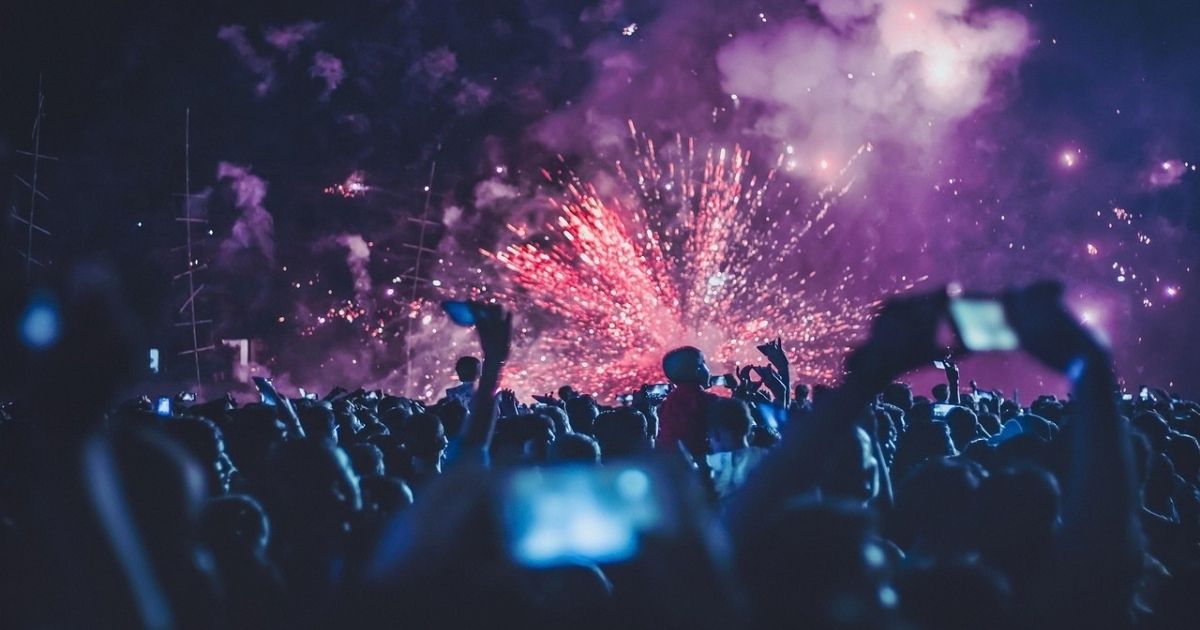
The NACZ identified several risks associated with unregistered event organisers, including inadequate security, poor crowd control, a lack of emergency medical services, fire hazards and unsafe venues.
It said these shortcomings could endanger audiences and compromise the safety of people attending public events.
The council also raised concerns about the treatment of artists and the conduct of some promoters, citing misleading advertisements, cancelled or poorly organised shows, delayed payments and the absence of written contracts.
Unfair revenue-sharing arrangements were among the other problems highlighted in the statement.
The council argued that these practices harm artists while creating an uneven playing field for promoters who meet registration requirements and operate within the applicable rules.
It also warned of lost revenue for government and local authorities, as well as damage to Zimbabwe’s reputation as a destination for music and other cultural events.
The statement did not identify particular promoters or events allegedly responsible for the problems.
Promoters face registration requirements
To regularise their operations, promoters without valid licences have been directed to visit the NACZ head office at the Education Services Centre, Upper East Street, Mount Pleasant, Harare, or one of its provincial offices.
The council said applicants must complete the relevant forms, pay the prescribed fees and comply with health and safety regulations.
The licensing framework has also undergone changes in recent years. In 2023, Statutory Instrument 46 replaced the existing fee schedule, while Statutory Instrument 93 of 2026 introduced a further amendment to the General Regulations. Promoters therefore need to consult the applicable, updated requirements.
NACZ urged stakeholders across the arts and culture industry to cooperate with the directive, saying compliance was necessary to create a safer and more professional operating environment.
The planned collaboration with police signals a tougher approach to enforcement, although the effectiveness of the initiative will depend on how inspections are carried out and whether non-compliant operators are held accountable.
For artists and audiences, the central issue is whether the measures will improve safety, strengthen accountability and make event organisers more reliable.