HIFA 2026
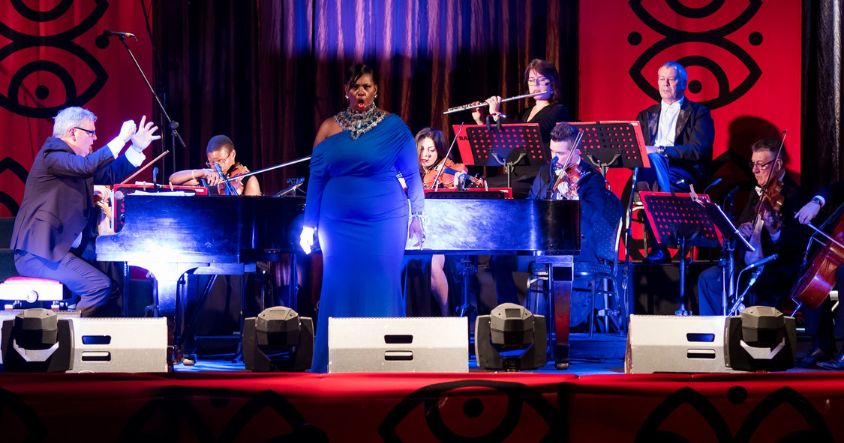
For eight years, the lush grounds of Harare Gardens fell quiet each May. No mbira drifting across outdoor stages. No packed tents buzzing with theatre-goers. No queue of international artists filing through Zimbabwe’s capital to perform alongside some of the continent’s most distinctive local talent. The Harare International Festival of the Arts, known universally as HIFA, had gone dark.
That silence is about to end. HIFA is set to return from 3 to 9 August 2026, in Harare, under the theme “Up”, symbolising renewal, growth, and a fresh chapter for one of Africa’s most celebrated arts platforms.
The news has electrified Zimbabwe’s creative community. Following the announcement, social media was awash with excitement as fans and revellers expressed their eagerness for the return of the much-loved festival, which was first held in 1999.
A perfect storm of setbacks
HIFA’s organisers are candid about why the festival went quiet for so long.
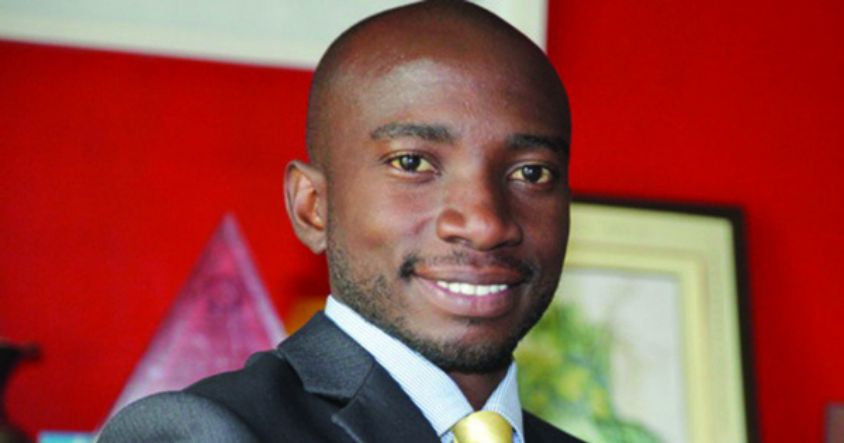
In an exclusive interview with 263Culture festival organiser, Tafadzwa Simba said environmental conditions made it difficult to host the event.
“With many moving parts, a phenomenon like HIFA then does take a bit of time to happen again in the same format,” said Simba.
The festival’s trajectory mirrored Zimbabwe’s broader socio-economic challenges. Periods of economic instability and later the disruptions caused by the Covid-19 pandemic forced HIFA into hiatus and limited programming.
Despite these setbacks, its legacy endured as a symbol of artistic resilience and cultural expression.
“The festival week was always going to make a return, and above all, it is needed.”
That sense of necessity drove the comeback. The organisers, rather than bending HIFA into a different shape to make a quicker return, chose to wait until a full and unabridged edition was possible. There will be no stripped-down or reimagined version of the event — this is HIFA in its traditional, multi-faceted form.
Harare Gardens remains the heartbeat
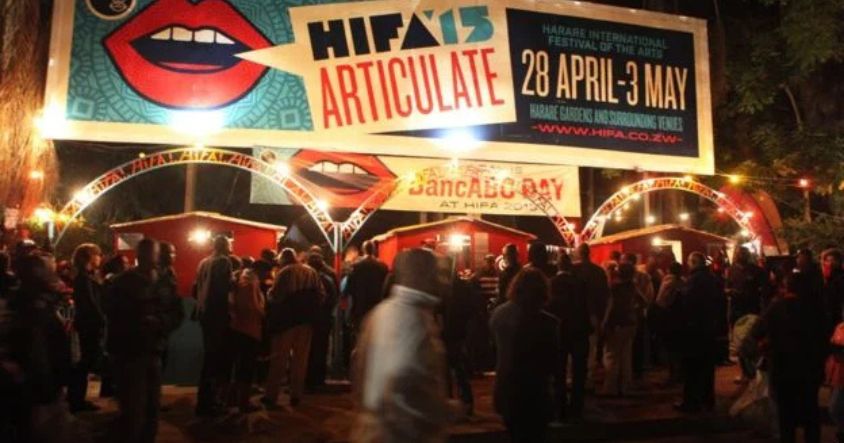
Fans anxious about whether the festival’s beloved home would survive the hiatus can breathe easily.
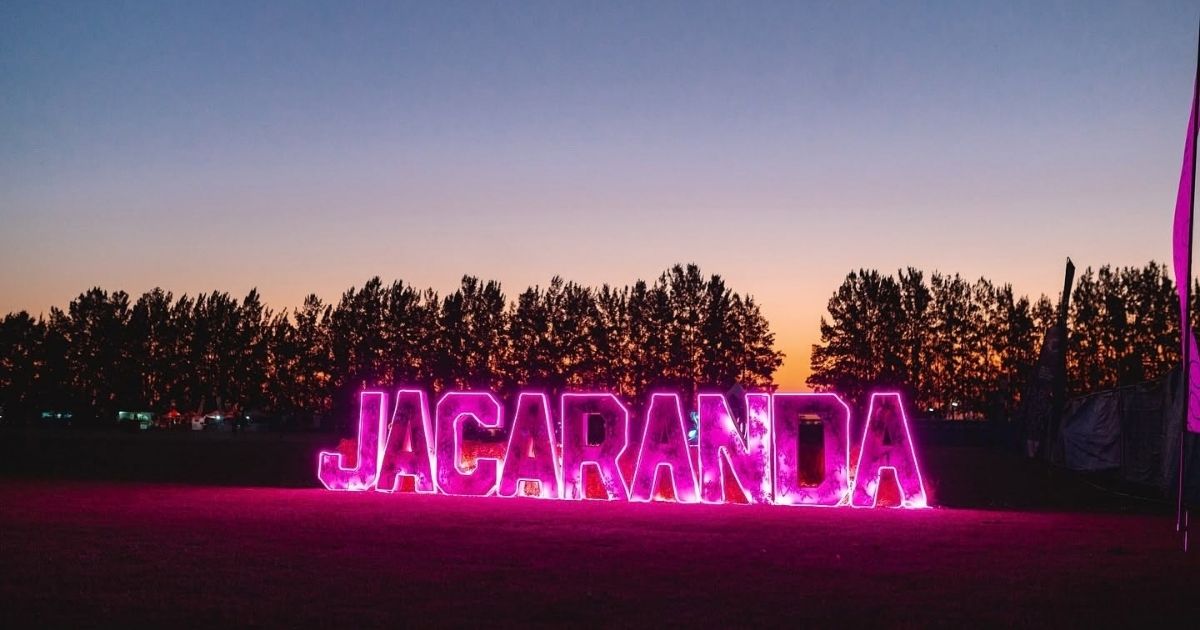
The 2026 edition will be centred in Harare Gardens, the city-centre park that over decades became inseparable from the HIFA identity, alongside the other central Harare venues the festival has traditionally occupied.
The gardens’ open stages, intimate performance tents, and meandering pathways where audiences stumbled accidentally into extraordinary performances remain the spiritual and physical core of the event.
The week-long festival encompasses five principal disciplines: theatre, music, dance, fine art, and poetry.
Audiences can expect the same calibre of work that made the festival’s reputation, both from Zimbabwean artists and visiting performers from across the world.
HIFA 2026 Acts under wraps — for now
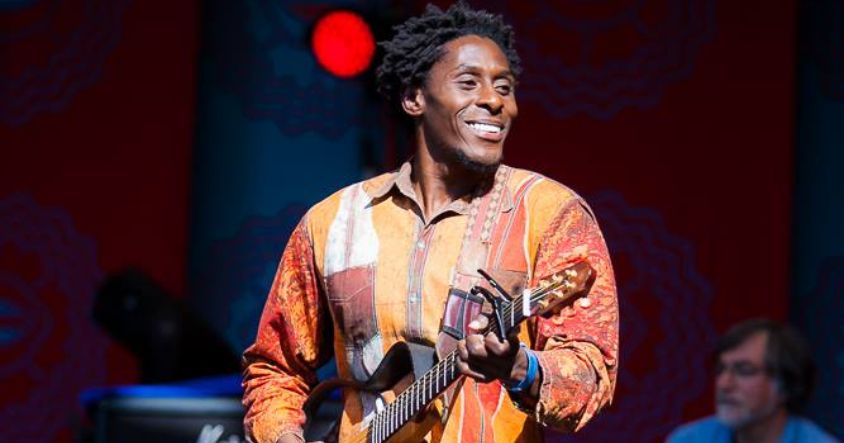
The question on every arts lover’s lips is: who is performing?
HIFA’s organisers are keeping the lineup deliberately close to their chest, with a carefully curated rollout process that will reveal acts progressively in the lead-up to August.
They are asking audiences to watch the space and resist the temptation to steal the thunder. On past form, the announcement process is part of the experience, with each confirmed act building anticipation toward opening night.
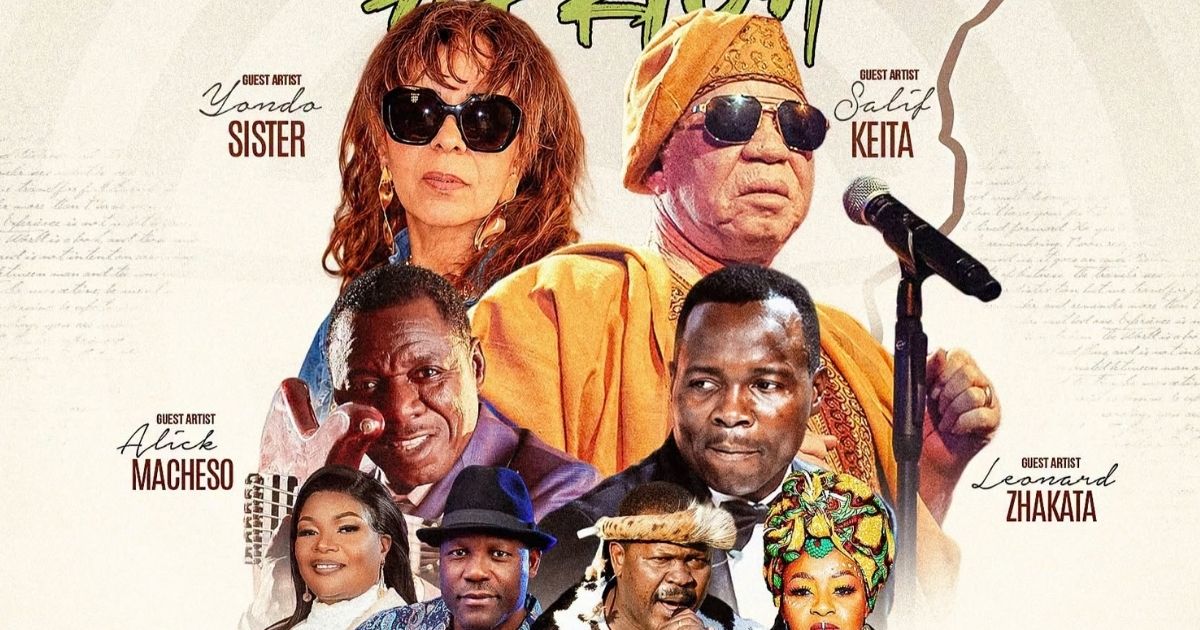
What is clear is the ambition. HIFA has previously drawn acclaimed international acts such as Ismaël Lô, Salif Keita, and South African group Bongo Maffin alongside Zimbabwe’s own extraordinary wealth of musical, theatrical, and visual talent.
Sponsors rolling out one by one
Partnership announcements are following the same measured rollout approach. The first confirmed corporate partner to be publicly named is Axcentium, the audit and advisory firm — a signal, organisers suggest, that the financial architecture underpinning the festival is being assembled with the same deliberateness as the artistic programme.
Further sponsors and partners are expected to be announced in the weeks ahead.
As a private endeavour, HIFA depends on funding from private sources, including local businesses and multinational corporations.
Further supplementary funding comes from donors and embassy missions represented in Harare. That funding model, a coalition of corporate, diplomatic, and ticketing revenue, has historically proven resilient even against Zimbabwe’s difficult economic backdrop.
An economy that breathes differently
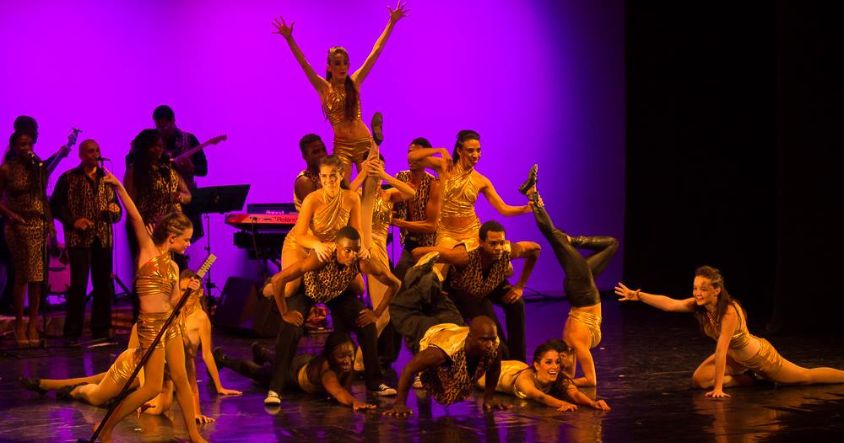
HIFA’s organisers are at pains to emphasise that the festival’s economic impact stretches well beyond the artists on the programme. The ecosystem that comes alive around a HIFA week is vast and intricate.
A theatre practitioner getting rehearsal assistance from a colleague not on the bill. A musician lending an instrument or a harmony to a peer’s performance. The preparatory energy alone, artists rehearsing, costumes being made, sound systems being tested, already constitutes an injection of activity into the broader creative sector.
And that ripple runs further still. Tourism and hospitality players are optimistic that HIFA’s return will stimulate economic activity, particularly in Harare’s events, accommodation, and transport sectors.
The airtime vendor. The taxi driver. The PA system supplier. The hotel and restaurant owner. Insurance companies. Real estate firms. All of them register the difference when a festival of HIFA’s scale returns to the capital.
HIFA contributed to skills development, technical production standards, and arts management expertise. Industry players often cite the festival as a catalyst for careers and a benchmark for excellence.
“When HIFA thrives, the city breathes differently — there is energy, curiosity, and commerce.”
A roadmap through 2028 — and beyond
This is not a one-off comeback. HIFA unveiled an ambitious roadmap extending to 2028, seeking to reposition itself as a year-round creative platform rather than a once-off annual gathering.
Dates for upcoming editions have already been confirmed, with HIFA 2027 scheduled for 26 April to 2 May, and HIFA 2028 from 1 to 7 May.
Alongside the main festival, organisers introduced a monthly stand-up comedy series titled “Laughter, the Best Medicine,” which will debut in Harare from 26 to 28 June before moving to Bulawayo on 4 July.
A “Zimbabwe Independence” international tour series will send local artists abroad, building momentum toward the country’s 50th anniversary of independence in 2030. The International Harare Air Show (IHAS) is scheduled for 20 September 2026, and a separate festival titled “The Right Stuff” will run from 7 to 13 December 2026.
A moment that matters
HIFA’s legacy stretches back to its founding in 1999, when it quickly established itself as one of Africa’s premier multidisciplinary arts festivals.
Over nearly two decades, it became a launchpad for local artists and a meeting point for international collaboration. Musicians, playwrights, visual artists, and dancers found both exposure and professional networks, helping to shape Zimbabwe’s contemporary creative economy.
Its revival comes at a time when Zimbabwe is seeking to strengthen arts and cultural tourism. By attracting global performers and audiences, HIFA has the potential to reposition Harare as a vibrant cultural destination.
For now, Harare Gardens is waiting. The stages will be rebuilt, the tents will go up, and come August, that particular electricity — part-carnival, part-symposium, entirely its own thing — will return to the Zimbabwean capital. HIFA is back, and it intends to stay.

Andrew Moyo is a veteran entertainment journalist with over a decade of experience. He has worked for some of the biggest publications in Zimbabwe including The Sunday Mail.